 Housekeeper
A routine for the home you live in
Regular Housekeeping in Sutton
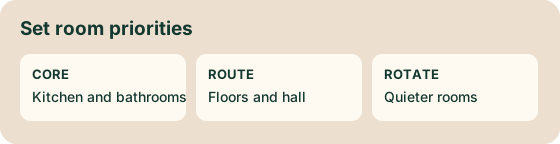
Set a housekeeping plan for the parts of your Sutton home you want to use straight after a visit. Tell us if that means the kitchen after work, the stairs before people get home or the bathroom first thing. Give us a postcode and preferred day so we can discuss the arrangement.

Can I mention Sutton railway station as a landmark?
Yes, then give the residential street and full postcode, plus the route to the property door.
Can I include some stairs but leave a quieter landing to alternate?
Yes. Name each part of the route and tell us how often you want it cleaned.
Show how to reach the residential door in Sutton
National Rail places Sutton railway station by the railway bridge on the High Street in SM1. If you use it to explain which part of town your home is in, follow it with the full property address. The nearest public route may lead to a venue or car park rather than the door to a home. Tell us what to look for at the correct entrance, including the building name, number or bell. If the street address serves multiple doors, describe the approach that actually reaches your flat and include its floor. A description can also help distinguish the front door from an entrance next to a shared drive.
Explain if the first visit needs somebody at the door and how future access will work. A block can have a visitor procedure or rules for certain doors. Confirm which route is allowed before giving instructions through an entry system. If the home is easier to reach from another road, add the name of that road after the postcode and explain any steps. Agree private key or code arrangements directly with the office. Give the entire SM1 or SM2 postcode so the availability discussion applies to your property, not the landmark.
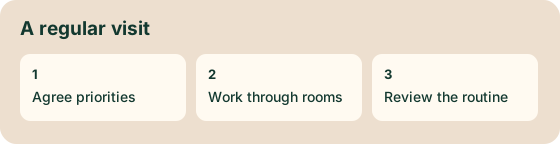
Make a first visit fit the way the home is used
Pick a few jobs that will help most in the week. An everyday preparation counter, shower and busy stair can be the centre of the first appointment. Alternatively, a main bathroom and floors in one part of the house might need most of the time. Tell us what you would like ready and which jobs can wait. Give the number of levels, bedrooms and bathrooms that are involved. If rooms are in use, say when each one becomes free and include a different starting task. Some work can take longer simply because the tools have to travel between levels.
Before regular visits begin, check what the housekeeper can reach in the length of appointment you discussed. If the floors or a main room require more work than planned, change the order for the next visit or name a rotating job. Ask about more time when that would work better. If someone will set up access or supplies next time, give them the same agreed list. Keep a short description of the order and unusual points such as a partial floor area or a room that should only be worked on once it is free.
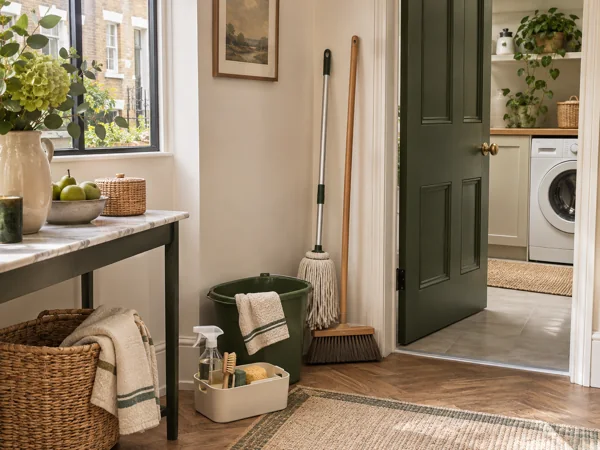
Agree work inside the kitchen and at the next doorway
Choose the preparation area and appliances you want covered. Regular kitchen upkeep can include reachable worktops, the sink, taps, hob and splashback, appliance exteriors and the floor. If you use one doorway to the kitchen more than others, identify the floor by that door so its work is not lost among the rest. Agree which things can be moved from the counter and what should stay where it is. If the table is in use for work or meals, say when it will be clear and allow the housekeeper to reach something else before then.
Tell us if a surface or fitting needs its own product. Leave the approved item with its instructions and the cloth or tool you use. Where multiple finishes are close together, indicate which works for each part. A hot hob or heavy appliance should not be assumed to be ready to clean. Bring up jobs inside a cooker, fridge or cupboards separately. Give the work involved and decide what part of the normal list still needs to be finished. Ask which type of visit would suit rather than treating additional kitchen work as part of everyday upkeep.

Agree the areas needed soonest
| Part of the home | Possible priority | What to give us |
|---|---|---|
| Kitchen | Main preparation surface and sink | Time someone will use the area again |
| Bathroom | Agreed fittings and floor | When it is free |
| Main stairs or entrance | Earlier work on the busy route | Which sections share a floor finish |
Use a realistic order for bathrooms and toilets
Say which room is the one people rely on most. Set accessible fittings such as the basin, mirror, toilet, bath or shower and floor in an order the household can use. A downstairs toilet often has different use from an upstairs bathroom or en suite. Name it separately rather than giving an overall bathroom count. If you need a room available while cleaning happens, set the sequence so another stays usable. Tell us when the first room can be reached and provide a different place to start if people will still be using it.
Show the products for any individual finishes and give a place for toiletries to go temporarily when the area beneath them is being worked on. If the floor can be damp cleaned but needs to be ready again before somebody arrives, make that timing clear. For more persistent work on a screen or grout, discuss the condition in advance and ask what sort of appointment makes sense. Confirm the ordinary fittings you still need cleaned if the work is arranged separately. Leave a fresh bath mat or towel ready if you want the cleaner to put it back afterwards.
Meet Housekeepers Covering Sutton
Tell us your postcode and preferred frequency so the office can check who covers your address.
Get a QuoteMake privacy and accessibility clear in bedrooms and sitting rooms
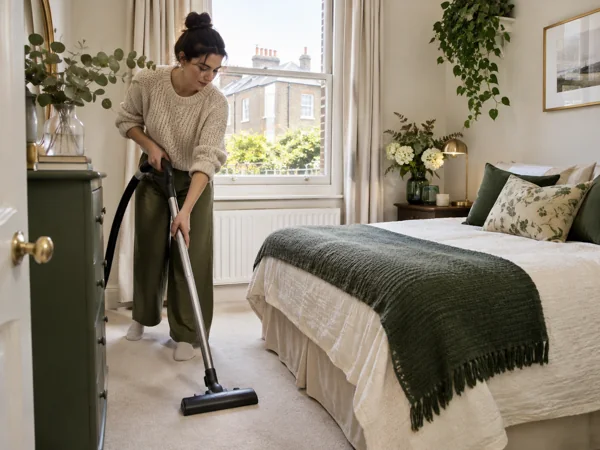
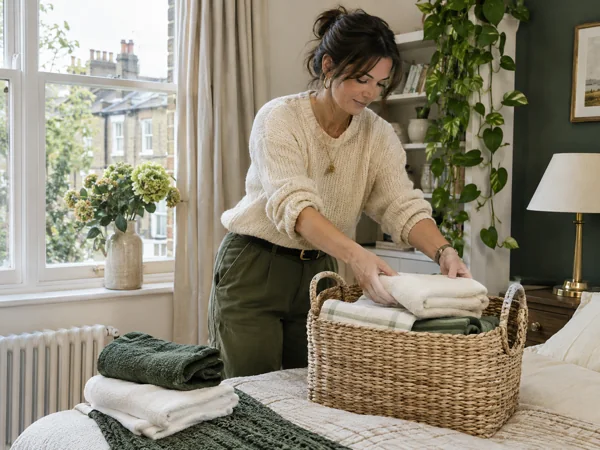
Name the bedroom doors that can be opened and tell us which floors and furniture tops should be reached. If a room needs the linen changed, include the number of beds when you discuss the length of the visit. Put the right set with each bed and show where used linen goes. Give a separate note for belongings that must stay exactly where they are. A room that is normally both a bedroom and a study might only be accessible at certain times. Choose another job if it should stay shut on a particular date.
For sitting rooms, agree which shelves, tables and floor areas are accessible. Identify fragile items, work equipment or personal things that people prefer to move themselves. If the floor around the sofa needs work but a heavy piece of furniture should stay in position, say how far you want the cleaner to go. Mention any rug edge or care instructions. Agree when to use the vacuum if somebody takes calls or rests there. A second sitting room could rotate rather than come before the rooms everyone uses. Set a specific date if you want it ready for visitors.
Choose a frequency for essential and optional tasks
| Rhythm | What to repeat | Occasional work |
|---|---|---|
| Weekly | Everyday room and floor priorities | Replace a less-used task on named dates |
| Fortnightly | Work that remains between visits | Leave smaller chores to the household |
| One-off | One item or a larger reset | Discuss the recurring list independently |
Plan floor care along a route you actually use
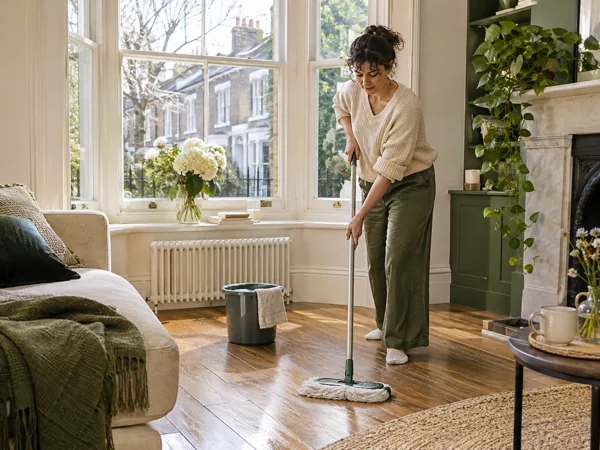
Describe the flooring types around entrances, stairs and living areas. Show the housekeeper where they change and how you clean each one. Your approved care method may differ for a runner, tile or wood. Put the correct tools and attachments where people can identify them. A hallway that sees several entrances can collect more dirt than floors elsewhere, so give its most-used part a clear place in the plan. Let us know about a loose edge or uneven door bar and explain where equipment can be put without getting in the way.
Think about where family or visitors will need to pass through when the floor is being cleaned. Ask about putting the entry floor near the end or working in parts. If the stairs are more important than a top landing you seldom use, give the landing a rotation date. A stain or floor that needs treatment beyond ordinary vacuuming and damp cleaning can be mentioned separately. Give the material, condition and a clear description of what you want done. Tell us if the regular jobs should still take priority when considering the different appointment.
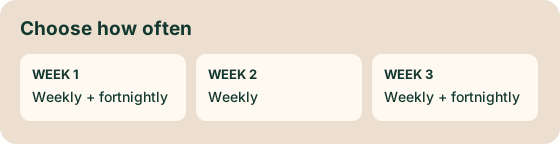
Confirm a repeat day based on the work that builds up
If the busiest rooms need attention by the end of every week, ask about weekly visits. Fortnightly may suit a household that is able to manage smaller jobs in between and wants regular help with selected rooms. Tell us what you do yourself and where work builds up most quickly. Discuss an amount of time and the jobs you can rotate. Offer another day if possible and give the dates you can make the property available. Check the proposed timing before asking anybody else to provide access or organising other work at home.
If an appointment needs changing, give the office the affected date and tell us which parts of the plan are temporary. A changed work schedule or new visitor may change the room order as well as the day. If you want the usual housekeeper, ask about their availability for the different slot. Confirm when the normal routine returns if you are moving just one visit. Keep the room, products and access instructions current and let another resident know what was agreed if they will be home instead of you.
Prepare the supplies and any discussion of occasional work
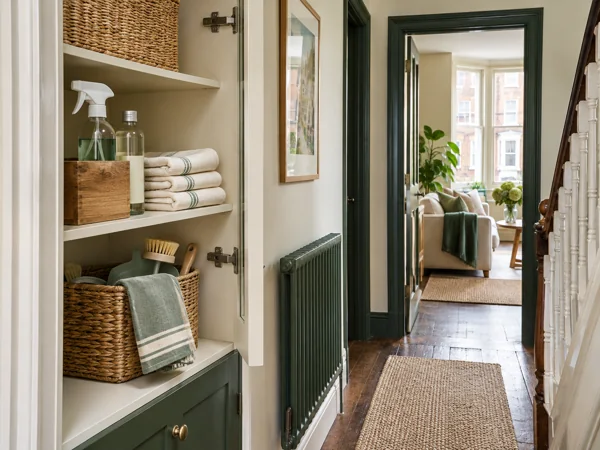
Collect the agreed products and tools where they can be reached without opening private rooms or cupboards. Keep the attachments near the vacuum and show any particular product for a floor, shower or worktop. Tell us if you need to discuss equipment you cannot provide. If a pet will be at the property, say where it should stay and which doors must remain shut. Give a replacement task if a closed room was normally on the list. Share the pet and supply notes with whoever is meeting the housekeeper on the day.
Describe additional work before it is due, for example an oven interior, rug or upholstery. Explain what the item is, where it sits and what needs addressing. Ask what kind of appointment or equipment might suit. A larger refresh may be a separate job from the focused routine. Say which regular priorities you want to keep and if the extra work affects your access or timing. This allows you to discuss the arrangement before asking somebody at the home to prepare it or decide which task should come first.
Prepare access and equipment details
| Topic | What to identify | What to confirm |
|---|---|---|
| Building with several entrances | Visible sign and actual door route | Who allows entry |
| Delicate finish | Approved product and instructions | Which rooms it applies to |
| Pet using a usual room | Which door stays closed | Which task can take its place |
Quotes for Sutton homes
From £23 per hour. Confirm the rate and visit length for your address when you request a quote.
Get a QuoteRelated cleaning services
- Spring cleaning · Ask about a one-off visit for rooms that need additional time.
- Oven cleaning · List the oven cavities and removable parts when requesting appliance cleaning.
- Carpet and upholstery cleaning · Tell us the material and which areas or pieces you want treated.
- End of tenancy cleaning in Sutton
Local references · National Rail: Sutton (London) station
Sutton housekeeping questions
How should I give directions from Sutton railway station?
Use it as a landmark, then give the full address, exact door and any steps or shared entrance after the street.
Can I put only part of the staircase on the regular list?
Yes, identify the sections and the available tools. Ask about doing lower-traffic parts on other dates.
Can we clean the main bathroom after somebody has finished getting ready?
Give the time it becomes free and another task to do first. Agree which part of the bathroom needs to be ready afterwards.
Do I need to give the size of a bed for a linen change?
Yes, say how many beds and which sizes are involved. Leave the full clean sets in the correct rooms.
Can I set a new recurring day after a change at work?
Ask the office about a different day and the date it should begin. Confirm proposed availability and access.
How do I request a separate carpet or rug clean?
Give the material and the issue you want addressed. Explain whether regular floor care and other work still need to be kept.