 Housekeeper
A regular housekeeper for your home
Regular Housekeeping in Earl's Court
Agree the work that keeps your Earl’s Court home in order. Give us the rooms you use daily and a clear route to the door, then ask about a weekly or fortnightly appointment. In a shared flat, say which rooms should stay private.
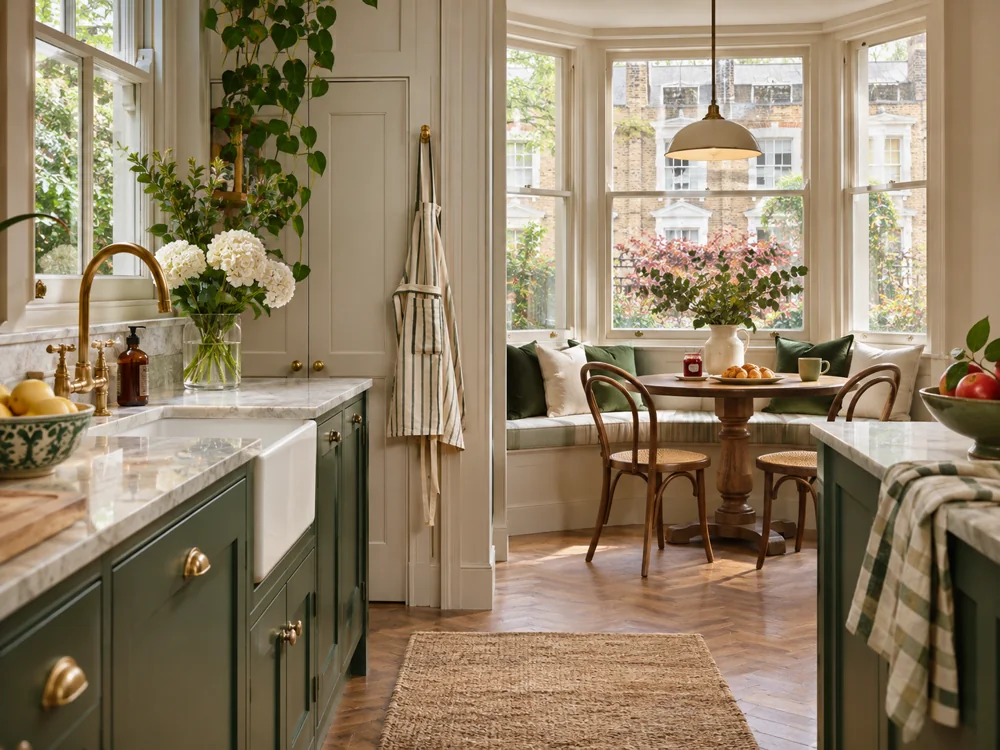
Can I give Earl’s Court Road when the flat entrance is elsewhere?
Use it as a reference only. Add the full address, entrance street and the wording on the relevant bell.
Can the cleaning be limited to the rooms we share?
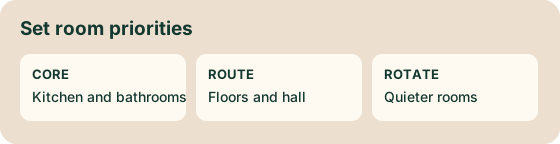
Yes. Agree kitchen, bathroom, living-room and circulation priorities and identify which private doors are excluded.
Meet Housekeepers Covering Earl's Court
Tell us your postcode and preferred frequency so the office can check who covers your address.
Get a QuoteSeparate the SW5 address from the exact flat approach
Transport for London lists Earl’s Court Underground station on Earl’s Court Road. If that helps place the address, give the next part of the journey until the visitor reaches the correct domestic door. Some converted homes have several bells at a front entrance and a separate lower-level door. Say which one is for your flat. A property with a street-facing business may use an entrance around the corner. Give both location details with the full home postcode. Add any wording on the outer door that tells a visitor they are in the right place.
Tell us who will admit the housekeeper on the usual day and what route is permitted after the outer entrance. An internal stair can turn between floors, so name any landing and the private doorway. Keep keys, intercom codes or other sensitive arrangements for direct discussion. If the household stores equipment beyond a closed door, put it where it can be reached and say where that is. Mention outside steps or a narrow path if they affect carrying tools. Update the office before a repeated visit when the access contact changes.
Make one dependable starting point for the first appointment
Tell us which reachable room is free when the housekeeper arrives. A shared flat may need the bathroom and accessible kitchen done early, but a resident could be using one of them at that time. Choose an alternative agreed starting job. For a separate home over several levels, identify the floor, room order and which work should happen before people return. The first clean can settle how long those priorities need. Say what you would leave if more time turned out to be needed for the first room, rather than expecting every task to fit automatically.
Introduce the list and equipment if you are at home, or leave both in a place that is easy to find. Decide which shelf, rug or piece of furniture you want worked around and which can move. After the initial visit, check whether the housekeeper reached the tasks you wanted most. If a room could not be entered, decide how to make it available or leave it on a periodic list. If the whole fixed routine needs more time, ask what length can be discussed before adding less-used rooms or occasional tasks.
Decide how to share a kitchen while keeping the work reachable
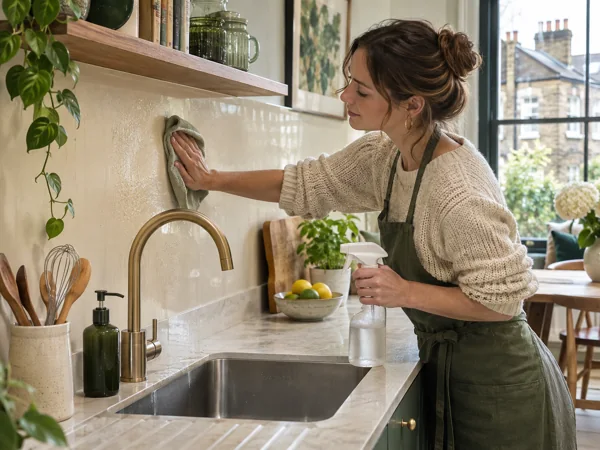
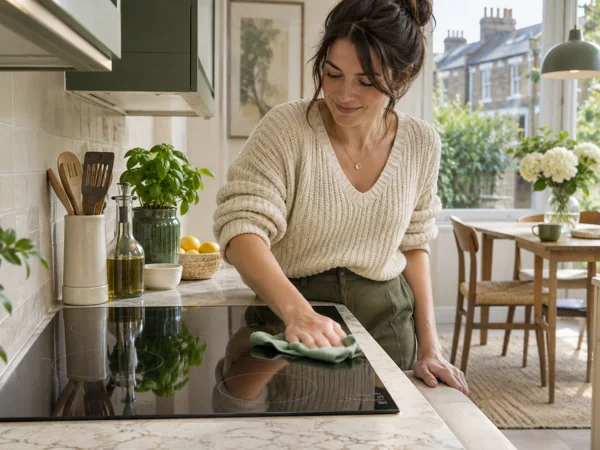
An ordinary kitchen clean can include accessible worktops, splashback, outside of the cooker and appliances, sink and an agreed floor area. Tell us which counter you want first and which part will still be occupied. In a small kitchen, the table may be needed while the worktop is being cleared. Put the housekeeper’s route in order of what can be reached. If one surface is finished in material requiring something different, label the correct product. Move heavy or personal items yourself wherever reaching underneath them is important.
If a shelf, appliance interior or oven needs attention, name the work separately. Say whether the part will be empty or cool and explain the useful details about fittings or contents. A separate discussion lets the office consider if the work can fit the timing or be offered as another visit. In an open-plan flat, specify the floor line beyond which the room becomes a separate living area. Confirm whether you expect the dining floor and room surfaces to remain on the regular list after adding another kitchen job.
SW5 route notes for an unfamiliar visitor
| Approach | Include after the postcode | Settle before the visit |
|---|---|---|
| Earl’s Court Road reference | Turn to your private street or door | Which bell label identifies the flat |
| Conversion with lower entrance | Steps and separate door number | Who opens or meets at the entrance |
| Communal front door | Landing and level for the flat | How equipment will be reached |
Make the bathroom free when the cleaner can reach it
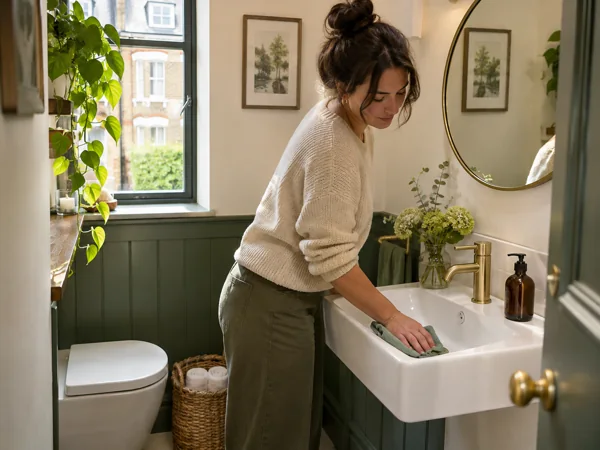
One bathroom can be the place everyone needs early in the day. Put the accessible basin and toilet, mirror, suitable floor and any shower or bath surfaces on the agreement. Then give the point when the room will be free. If you also have a cloakroom or a guest shower, say which is required at each visit. In a household with a schedule that moves, nominate another starting point that still puts useful work first. Make it clear when the main washroom has to be usable again and whether a pause at the beginning would actually help.
Move personal items off the ledge or explain which parts should remain untouched. Keep a labelled bottle for a particular finish and identify the exact fitting. If you want a bath mat replaced, leave a fresh one nearby and tell us where the used one goes. For marks or deposits that are more than ordinary splashes, describe how much of the screen, fixture or floor is affected before agreeing the visit. Ask separately how it can be considered. That keeps the normal bathroom list clear and lets you avoid postponing everyday priorities while another job is discussed.
Name the private-room boundaries before the visit starts
For a bedroom included in the work, decide which accessible surfaces and floor areas should be reached. Tell us if any door must stay shut or if a room can only be opened after work or sleep. A linen change is separate from basic dusting and floor work, so agree it in advance. Put the full clean set on the bed and state where old linen goes. For a room with personal items on a desk or shelves, ask residents to put away what they prefer to move themselves. Name the reachable part of the room.
For a lounge or common room, give the floor around the main seating and the accessible tables or shelves you want done. Mark the spot where a television lead or power strip should not be disturbed. Tell us if one lightweight item can move while the floor is done, and where it should be returned. Ask about a stained textile or a rug with a damaged edge separately. Give its label or material and say what part is affected. Routine work in the room can still include dusting available surfaces and reaching an open path between pieces of furniture.
Trace the private floor from the hall to the rooms you include
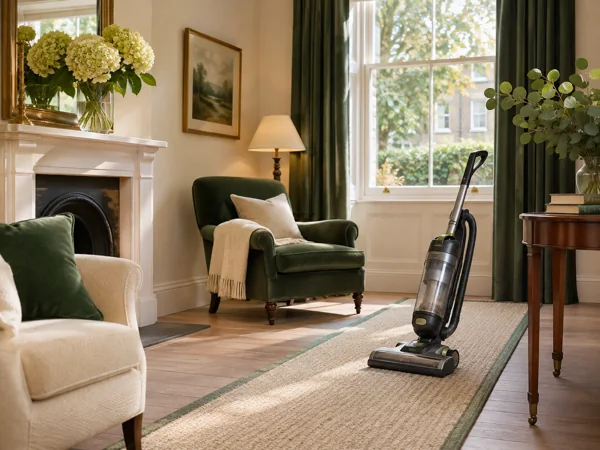
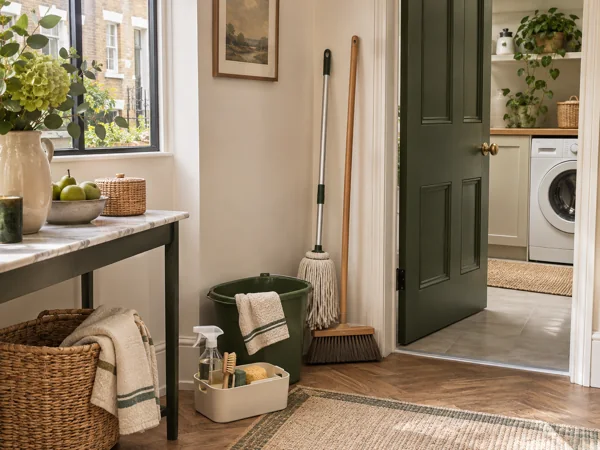
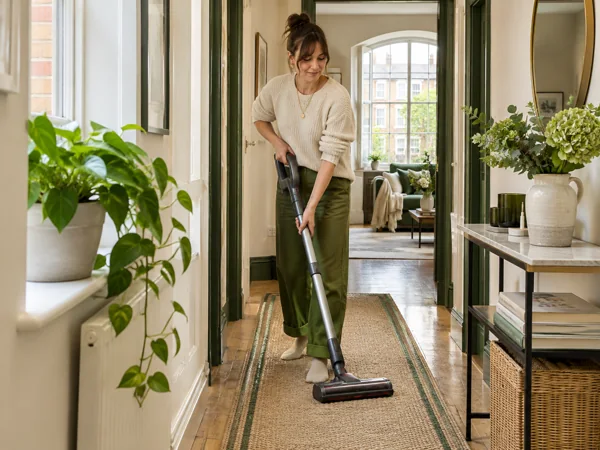
If you share stairs with neighbours, identify where your property begins and which stairs or landing, if any, you want discussed. On the private side, describe how the floor changes from entrance tiles to wooden boards, carpet or a runner. Give a vacuum with the attachment you use along an edge and a separate product for a finish that requires it. Say what can move, such as a small mat or bench, and what should remain where it is. Flag loose strips and repaired surfaces before a first visit.
If the hall stays busy, arrange a time when the floor will be clear or where people can leave shoes and bags. Tell us if a pet will stay in the flat. Agree which door must remain closed and whether its things should stay put. Explain when the entrance needs to be usable again. Show where the mop and supplies should go back after the work. It is easier to repeat the same floor route when the household identifies the point to start, the finish changes and where to leave equipment.
Plan shared-room cleaning
| Space | Work to discuss | Room condition on arrival |
|---|---|---|
| Kitchen | Reachable surfaces and open floor | Someone may still need the table |
| Bathroom | Basin, mirror and daily shower | Agree a free time during the visit |
| Lounge | Accessible shelves and walking route | Personal equipment stays attached |
Choose a recurring slot with room for another resident’s timetable
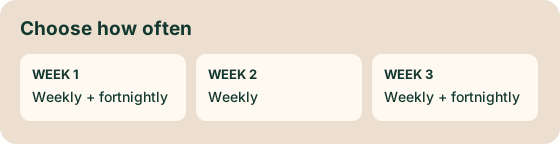
Weekly visits can be useful when a shared bathroom or kitchen needs attention again within a few days, or everyone uses the entrance floor at all hours. Fortnightly visits can suit a household that already wipes the busiest surfaces itself but wants periodic help in the rooms that accumulate more working time. Say what you would like kept on every visit and what can rotate. A shower, kitchen and hall might stay fixed with a spare room alternating. Decide how to handle temporary room use such as visitors or a study in a different part of the flat.
Give a preferred weekday and an alternative. Tell other household members what the routine will be before arranging regular access. If a resident expects to be out, agree another person to respond and confirm what should happen on that date. Ask about a preferred housekeeper when you discuss days and frequency. If timing has to change for one visit, explain whether any rooms should be worked on in a different order as well. Check which parts of the normal arrangement and authorised entry will resume afterwards.

Complete the enquiry with supplies and any specialist request
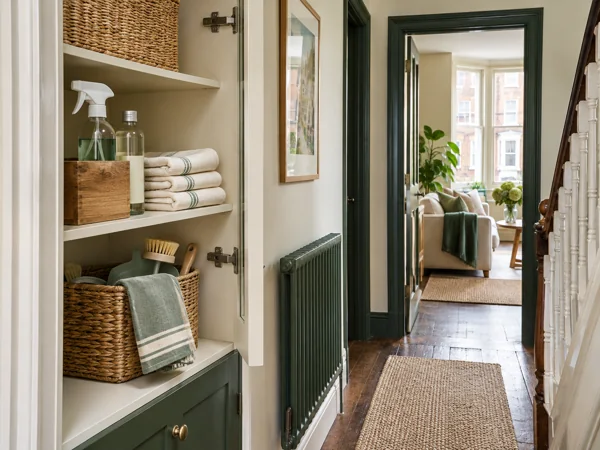
Provide details of any tools, products and accessories already at the address. Label products by use, particularly where two finishes are close together. Confirm if a vacuum is kept in a private room that normally stays closed or a charger sits by a different floor. If the household cannot provide a suitable tool, ask what can be arranged before confirming the list. Say where you want supplies returned and describe any objects the housekeeper should leave untouched. A short note can be useful if the person who usually explains the equipment will not be there.
Describe separate work by exact item. For a rug, specify material, condition and the marked spot if you can. For an oven, identify the chamber and removable fittings in question. If a chair or sofa needs more than ordinary dusting around it, ask about the fabric separately. State a date if something is needed before a visit or event. Keep the recurring household chores separate in your enquiry. Before confirming, check the full postcode, proper entry arrangement, room order and frequency have been recorded for the right home.
Keep occasional jobs out of the fixed list unless agreed
| Ordinary requirement | Separate request | Details to give |
|---|---|---|
| Bedroom floor | Linen change | Correct set and place for used sheets |
| Kitchen preparation area | Specific oven work | Cavity, rack and fittings |
| Living-room route | Fabric or rug treatment | Material and exact item or area |
Quotes for Earl's Court homes
From £23 per hour. Confirm the rate and visit length for your address when you request a quote.
Get a QuoteRelated cleaning services
- Spring cleaning · Ask about a one-off visit for rooms that need additional time.
- Oven cleaning · List the oven cavities and removable parts when requesting appliance cleaning.
- Carpet and upholstery cleaning · Tell us the material and which areas or pieces you want treated.
- End of tenancy cleaning in Earl's Court
Local references · Transport for London · Earl’s Court Underground station
Earl's Court housekeeping questions
Can a housekeeper meet me off Earl’s Court Road?
Yes, if that works for entry. Give your full home address and exact door as well as any agreed meeting point.
How should I identify the bell for a lower flat?
Use the number or label as written and explain whether there is a separate access path or lower flight of steps.
Can we leave a flatmate’s bedroom shut every week?
Yes. Name the room that stays closed and confirm which shared rooms and surfaces are on the list.
My shower is still used at the beginning. Can it go after the hall?
Yes. Tell us when it is available to reach and what to do first in the hall or another included room.
How do I get the housekeeper to use the right attachment on the stair?
Leave it with the relevant vacuum and identify any exposed edge or runner that should be treated differently.
Can a heavily marked rug be assessed while keeping the normal floor list?
Describe it separately. Keep the accessible surrounding floor on the recurring list and ask how the rug work can be arranged.