 Housekeeper
A regular housekeeper for your home
Regular Housekeeping in Chiswick
Start with the chores your Chiswick household comes back to all the time. It could be a kitchen cleaned around family meals or a regular plan for bathrooms and a well-used hallway. Give us directions to your own door and tell us which jobs deserve the time first.
What should I say if I live near Turnham Green?
Include your complete postcode and the street, gate or residential bell that leads to your home. The Green can help orient a first-time visitor.
Can I include the daily kitchen but only rotate a guest room?
Yes. Identify the kitchen tasks and give us a separate schedule for the guest room.
Meet Housekeepers Covering Chiswick
Tell us your postcode and preferred frequency so the office can check who covers your address.
Get a QuoteUse Turnham Green or the High Road as the beginning of directions
Hounslow Council separates the Chiswick High Road and Turnham Green conservation areas, and it places Turnham Green on Chiswick High Road. If you refer to the Green or another stretch of the High Road, give the onward route to your own door. A house on a side street or a separate flat above a frontage may not be entered from the direction people expect. A block can have several matching doors. Give the lettering on the bell and the house or flat number, plus any turn to a shared path or other domestic approach.
Make the private route clear once inside. Say which floor you are on, whether there is a lift or an internal stair and whether someone needs to meet the housekeeper between the lobby and the private door. If a garden gate or side approach is normally used, tell us if it is available for this visit. Discuss who can authorise entry on future dates and give private arrangements directly. Identify a narrow section or external steps before agreeing how equipment will be brought in or where it is kept in the house.
Try the room order on a normal day
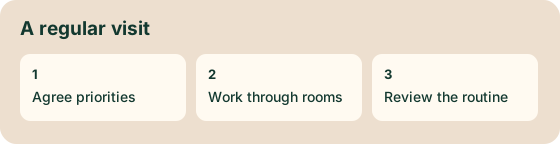
If you are deciding how much time to allow, choose a first visit on which priority rooms are free. Explain where the housekeeper should start. You may want to finish the kitchen early so it can be used for a family meal, or do an upstairs bathroom before a room near it becomes occupied. Consider how the work crosses the home instead of deciding only on a room count. A kitchen floor sometimes extends into a dining area while a bathroom corridor can have its own mat and floor finish. Name those boundaries to agree what is included.
The first visit helps establish which work is generally manageable and which needs more time. Leave an ordered list even if you will be on site to explain it. Ask us to keep certain jobs fixed and give a second tier if those fit. A useful adjustment after the visit might be separating the guest room from the main bedroom or moving a regular room ahead of an occasional one. Tell the office how the first appointment went and discuss if you need to reallocate time, not simply increase the length of the list.
Work around a kitchen that stays in use
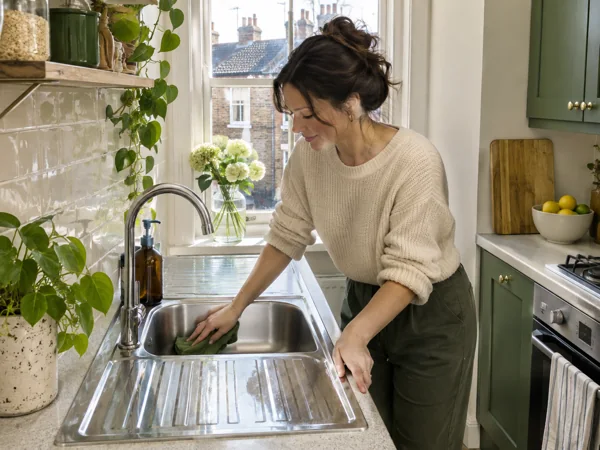
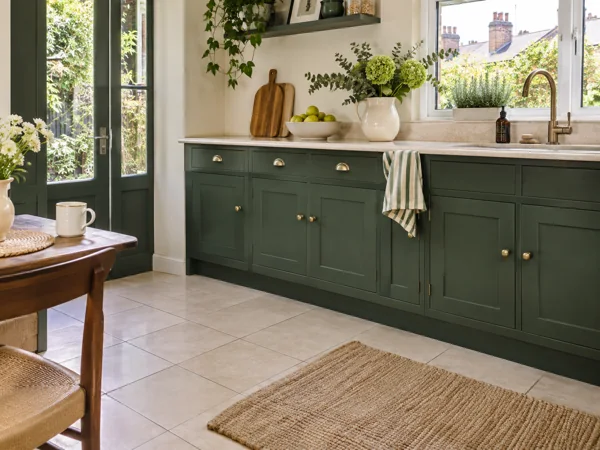
The reachable kitchen work can include suitable preparation surfaces, splashback, sink and taps, exterior of appliances and the floor. Say which part is involved in cooking most often and which objects can be lifted safely. A large counter may include two materials or a built-in appliance that needs different instructions. Put the labelled product beside the area for which it belongs. If the kitchen also serves as a family dining or work area, decide what will be clear and when. Work can start in another room if cooking prevents access when the housekeeper arrives.
Ask separately about inside a cupboard, oven or fridge. Let us know what will be emptied, where any shelves are and what kind of work you are considering. The housekeeper can address the usual accessible worktop and floor while you discuss a different appointment for more involved cleaning. Tell us if you are trying to fit the kitchen around lengthy occupancy, because a narrow stretch near the sink can matter more than an entire large room. Give the approximate point during the visit when you need that area usable.
Prepare directions for a Chiswick home
| Starting reference | Send with your postcode | Confirm privately |
|---|---|---|
| Turnham Green | The onward street and house number | Who will be there to admit the visitor |
| High Road frontage | Where the domestic entrance starts | How the resident can open it |
| Side or garden path | Gate and label on the private door | Whether that entry can repeat |
Give the housekeeper a route through more than one bathroom
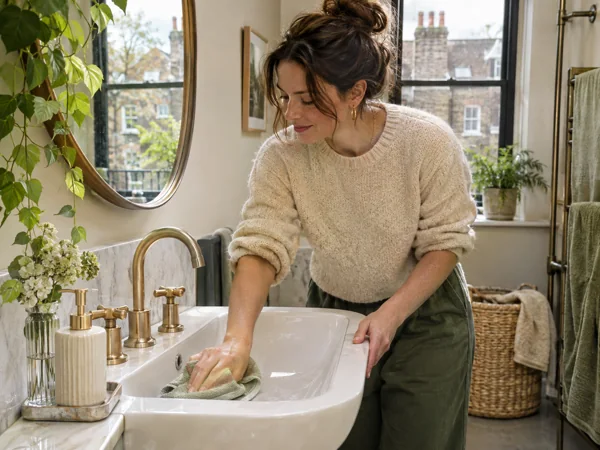
Make it clear which bathrooms see daily use. A main shower, downstairs WC and larger guest bathroom might all be in the home but need separate amounts of time. An agreed ordinary visit can cover reachable surfaces around a bath or shower, basin and taps, mirror, WC and suitable flooring. If one room needs to be done before someone goes out, say so and identify a fallback if it is occupied. Point out any special products for taps or a stone finish. Explain which bottle belongs to which surface rather than leaving two similar products in the room without guidance.
Give personal items somewhere to sit out of the way while you want the whole ledge or counter reached. If a few objects stay where they are, make that boundary clear. A clean mat can be left beside the door if changing it is part of the list. Say where the old one should go. If a shower screen has a more persistent deposit, describe the condition and where it is before the regular appointment. Ask whether it needs its own time instead of shifting the housekeeper away from the everyday surfaces agreed for that visit.
Treat bedrooms and sitting rooms according to their current use
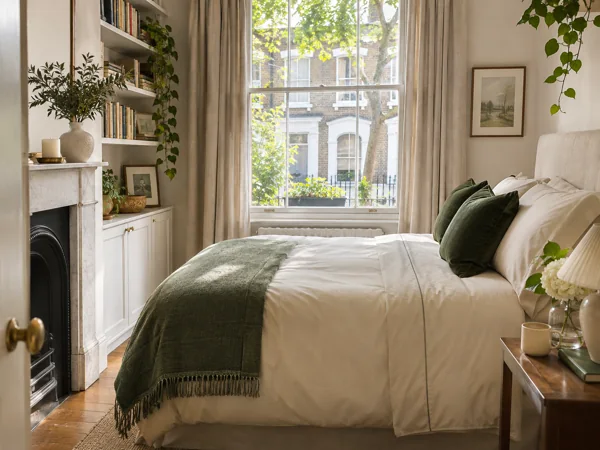
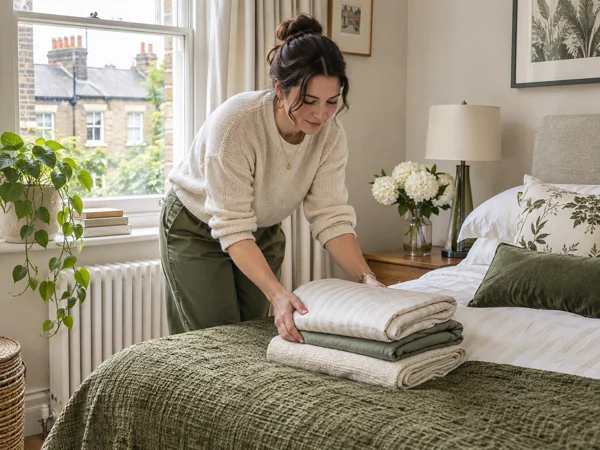
A bedroom that people sleep in each day may need reachable dusting and floor work more often than a room set aside for guests. Give the rooms names or describe where they are on the landing. If you want to discuss a change of linen, place the full clean set in the intended room and name a place for the old sheets. Let us know what to do if somebody is sleeping or working in a room. You can agree to leave it closed or select a point later when it is available.
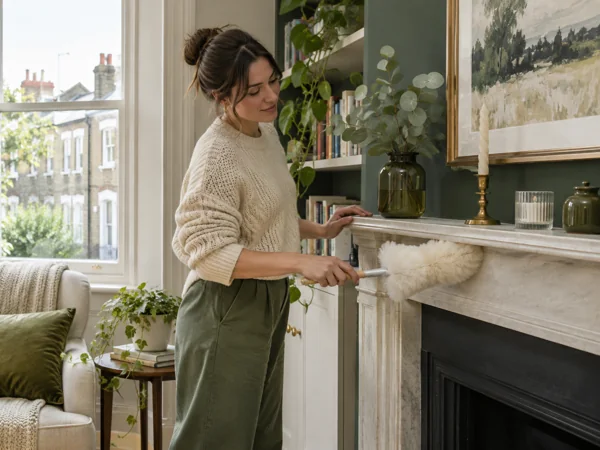
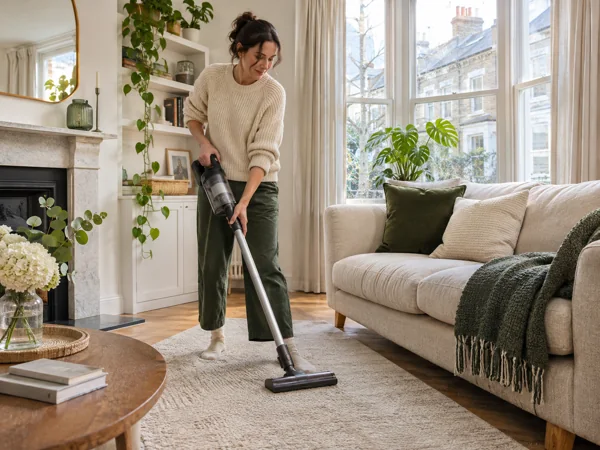
A sitting room can include the main walking route, accessible side tables and areas near the sofa or dining chairs. Determine what should stay in place, such as items around a television, cables and papers. Move anything especially fragile yourself. Mention whether a small stool or side table can be moved to clean the floor underneath. If a loose rug or upholstered seat needs more than general dusting or vacuuming, describe the material or affected panel when asking about separate work. An ordinary living-room visit should have its own identifiable surfaces and floor route.
Pay attention to the connection between doors, mats and stairs
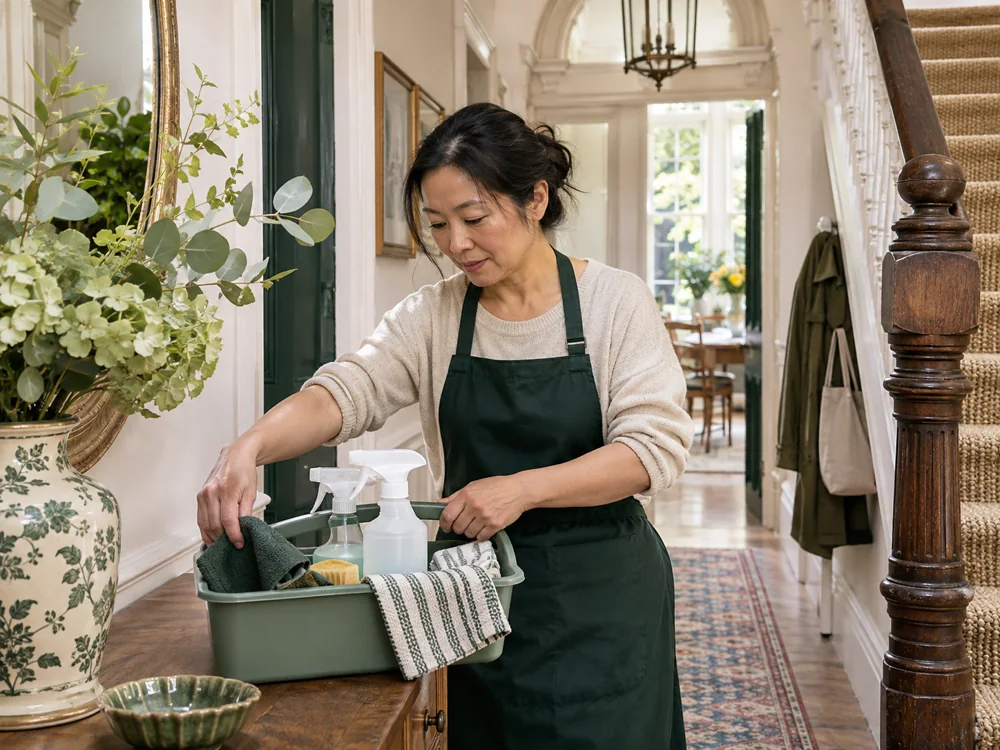
Think through which entrance people use after coming in from outside and where they travel with shoes on. There might be a narrow passage from a side door or a short run of boards beyond tile. Tell us which surfaces need attention, which product goes with them and whether a mat can be lifted. Describe the runner and any separate landing or exposed edge when you include stairs. If the property has an outer space that neighbours share, agree where the private home begins so we know which floor you want included.
A household with pets may want the floor attended to beside an entrance or garden door. Tell us where the animal will be and what should happen to bowls or bedding. Agree the door or gate that remains shut before work starts. Say if the floor is most useful before somebody returns and choose when it can be free to dry. Flag any loose threshold, repaired edge or specialty finish before deciding what to clean. For equipment stored away from the route, show the housekeeper where to find it and where to return it afterwards.
Choose the recurring Chiswick rooms
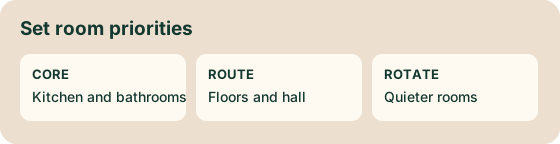
| Always on the list | Could rotate | Review when |
|---|---|---|
| Worktops and sink | Separate dining shelves | Meal schedules change |
| Daily shower | Guest washroom | Visitors are staying |
| Main route indoors | Spare room floor | A room starts being used for work |
Plan for a repeat appointment and for the weeks that change
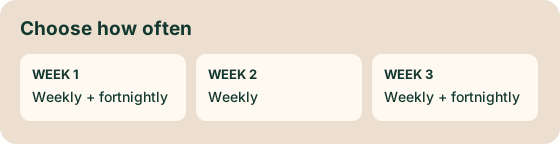
A weekly visit can be practical when the kitchen, shower and floor of the main hallway quickly accumulate work. A fortnightly visit may be useful if ordinary wiping and tidying are shared within the household and another person can handle the heavier repeat jobs. Decide which jobs should survive a busy week before discussing optional ones. A regular appointment can keep the busiest rooms fixed and alternate a smaller set. If school holidays, guests or home working change the way the rooms are used, let us know what needs to come forward on affected dates.
Name your first choice of day and another day you can make work. If you only have a short time to admit the housekeeper or to clear a room, say so. You can ask about a preferred housekeeper when discussing availability. If you need to change a time or take a break, give the relevant dates and tell us who is handling entry. Confirm when or how the usual slot resumes. Make sure anyone already expecting to meet the housekeeper has the most recent information rather than relying on the arrangements from an earlier visit.
Provide useful details for supplies and separate jobs
Choose where to leave the vacuum and its accessories, along with products labelled by purpose. Explain where to find a special pad or the item needed for a sensitive surface. If you do not have suitable tools for a job on the list, say so before it is agreed. Give clear instructions about where products should be returned. If there are different supplies on different floors, label where they are used. A short equipment note can also say what remains private or should stay plugged in.
Ask about specialist work separately, with the item and what needs doing. An oven chamber can differ from a cupboard interior even if both sit in the kitchen. A sofa mark can be on one end cushion or several pieces. Identify the work accurately with the material, number of fixtures or area if you know them. Tell us when the separate task is needed and whether you want to keep the usual routine on that date. Before booking, confirm the room order, supply details, preferred frequency and the address that the housekeeper is expected to enter.

Point out the correct tools
| Area | What to show | What to check |
|---|---|---|
| Timber and tile boundary | Different products where needed | Any threshold to avoid |
| Stair runner | Exact vacuum attachment | Where carpet meets the edge |
| Entrance mat | Where it can be moved | When the floor is needed again |
Quotes for Chiswick homes
From £23 per hour. Confirm the rate and visit length for your address when you request a quote.
Get a QuoteRelated cleaning services
- Spring cleaning · Ask about a one-off visit for rooms that need additional time.
- Oven cleaning · List the oven cavities and removable parts when requesting appliance cleaning.
- Carpet and upholstery cleaning · Tell us the material and which areas or pieces you want treated.
- End of tenancy cleaning in Chiswick
Local references · London Borough of Hounslow · Turnham Green · London Borough of Hounslow · Conservation area appraisals
Chiswick housekeeping questions
Can I give Turnham Green instead of the street?
Use the Green as an optional landmark. Send the correct residential street, full postcode and the door or bell.
Can the first visit start with the kitchen before lunch?
Yes. Let us know when the room is free and which parts it should be possible to use again afterwards.
What if the cleaner needs to go to the upper landing for equipment?
Tell us where it is stored and how to reach it. Give any instructions for carrying it back to the starting floor.
Can we only dust the reachable shelves around our ornaments?
Yes. Identify what stays put and which shelves are available for ordinary dusting.
How do I add a second shower room less often?
Give each room a name and tell us the desired interval for the second. Confirm which fixed priorities should always stay.
Can the housekeeper use separate products for a hall and kitchen floor?
Yes. Name the finishes and leave the labelled products or pads where they are easy to find.