 Housekeeper
A regular housekeeper for your home
Regular Housekeeping in Beckton
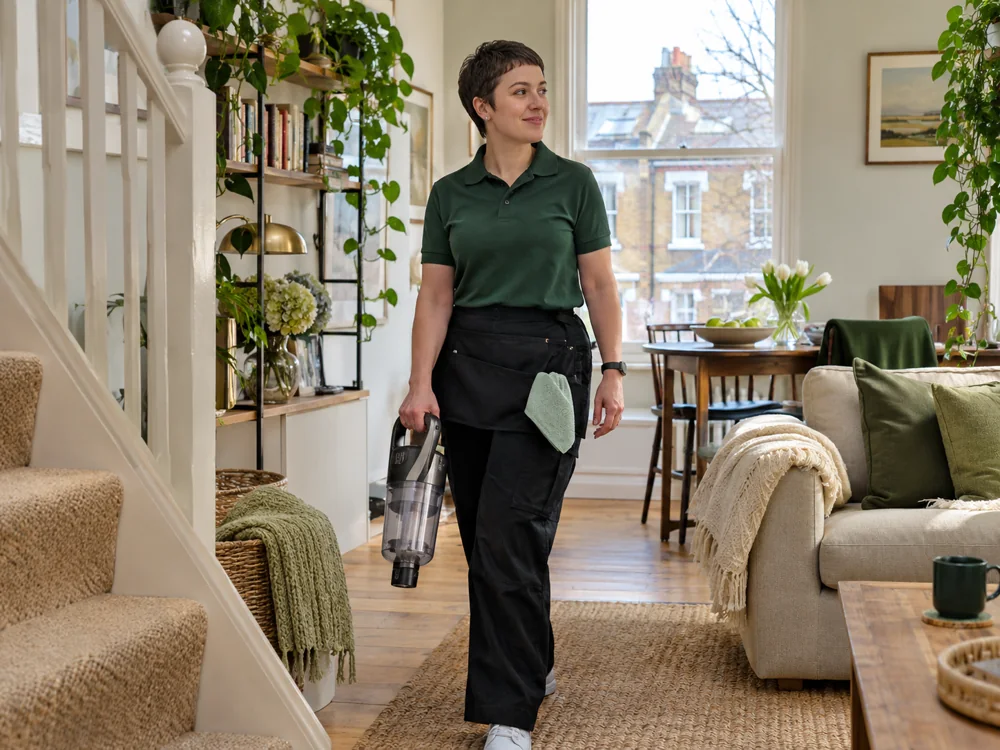
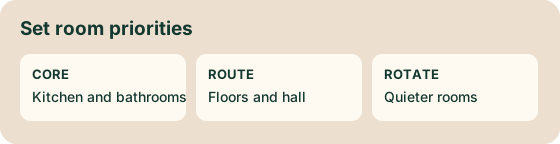
Start with the parts of your Beckton home you most want to maintain. Set out the kitchen, bathroom and floor work that should recur and the other jobs that can move between dates. Use the full postcode to begin discussing a weekly or fortnightly appointment.
Is Beckton a sufficient location to request a visit?
Include the full E6 or E16 postcode and the exact residential door. The office can then check arrangements for that address.
Can we ask for a shorter recurring list?
Yes. Put the daily-use areas at the top and discuss which rooms and tasks can take turns.
Meet Housekeepers Covering Beckton
Tell us your postcode and preferred frequency so the office can check who covers your address.
Get a QuoteShow which approach leads to your part of Beckton
Newham’s Beckton Parks masterplan distinguishes Beckton District Park North and South from New Beckton Park and the Beckton Corridor. If you use a place name to give bearings, make clear which one you mean and how to get from it to your residential street. The booking should give the full postcode, block or house number and the actual visitor entrance. A path that leads quickly to green space may not be the right way to get to the front door. Say where the pavement or shared footpath meets your entrance and whether visitors can follow the route you usually use.
Mention parts of the address that are easy to miss. A flat number may be on an internal door while a different number appears at the main entrance. A signed block can have a door leading to the stair and another door leading to a private garden. Explain which one should be used on the day. If the property is reached across a court, say where a person should wait and who will be able to admit them. Keep public directions to the door separate from any sensitive details about keys or codes, which you can discuss privately with the office.
Make the kitchen work clear before the first quote
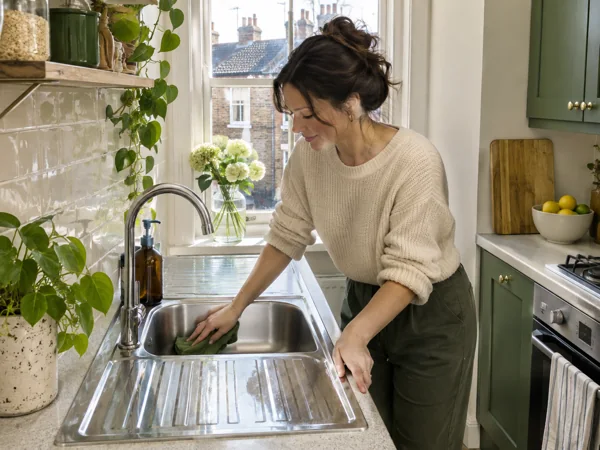
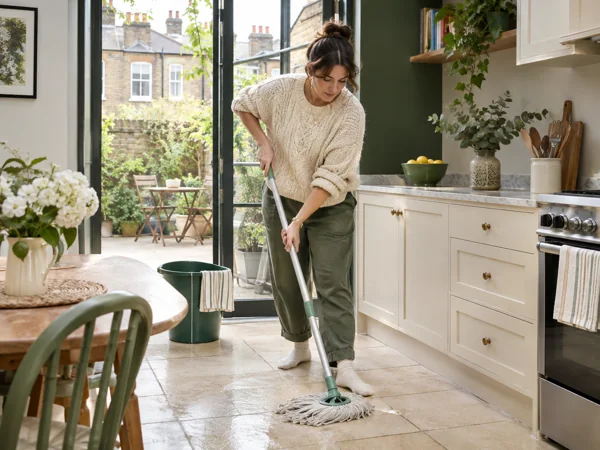
Describe how often the main surfaces are used and point out where you prepare meals, wash up and set the small appliances. The regular visit can focus on accessible preparation surfaces, sink, hob and the floor you use most. Tell us whether dining happens at the same counter or at a table with a separate floor route. If the worktop usually has several items on it, say which can safely be lifted and replaced. An uncluttered stretch saves time when the housekeeper needs a place for things temporarily moved away from the area being wiped.
Tell us if you use a separate product for painted cupboards, stone worktops or a surface that requires particular care. Show where you keep it and which parts of the kitchen it belongs to. If a product has run out or you have switched to a different one, explain that before the appointment. Ask about doing an oven cavity or a fridge interior separately. Give the office enough information to discuss that request, including what you want reached and whether the appliance will already be clear. The normal kitchen list can stay focused on the work that needs repeating.
Count the bathroom fittings and the time they need
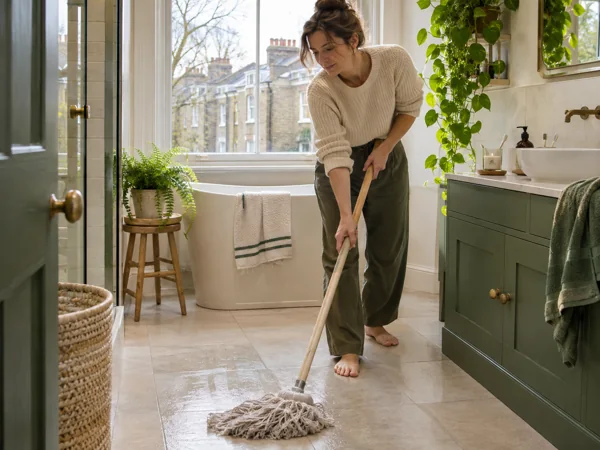
For a main bathroom, decide what should happen each time and state the different fixtures you expect to include. Give the number of showers, baths, basins and toilets, particularly if the rooms are not all on one level. Explain which one has the most use and when it will be free on the preferred day. If a bathroom stays occupied at the beginning of the visit, ask about starting the clean somewhere else. A small downstairs basin and toilet may also need its own place before or after the household uses the entrance hall.
Pick which items can be lifted from the basin or shelf so the surface can be wiped. Say where they should go and point out anything that should not be handled. If the housekeeper needs a fresh bathmat or towel, agree that task and leave the clean item visible. Mention a loose fitting or particular tile product if it affects the clean. If a part of the room needs more than routine attention, such as work that requires its own product or a longer appointment, explain the condition first so the office can discuss how that should be arranged.
What to repeat in a Beckton home
| Part of home | Keep on the core list | What can rotate |
|---|---|---|
| Kitchen | Sink and daily worktop | Accessible cupboard fronts |
| Main bathroom | Basin, toilet and shower | Less used shelves |
| Hall and landing | Main walking route | Quieter floor edges |
Agree which beds and living spaces are ready to be reached
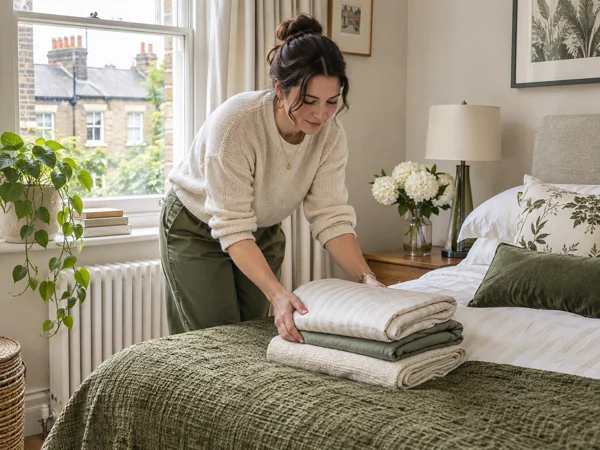
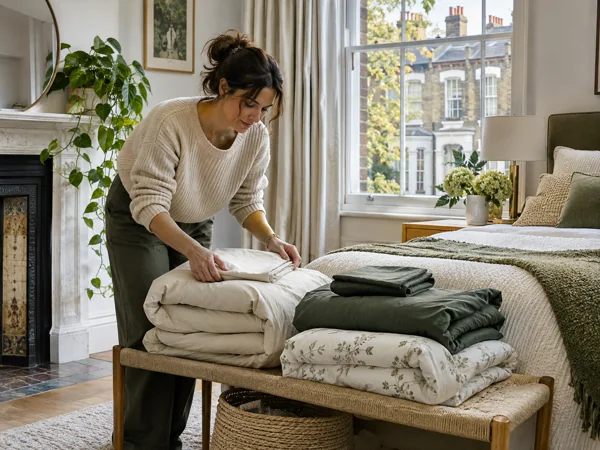
Give bedrooms an order based on use, not just their size. A child’s room may need accessible floors every visit but a different plan for bedding if it cannot be reached at the start. A guest room that is normally empty can move down the list until it has fresh use. Say which rooms will be closed because someone is resting or working. Leave the right sheets and covers in any room where a change has been agreed. Show where used linen goes and explain which items on a bedside table should stay in the same position.
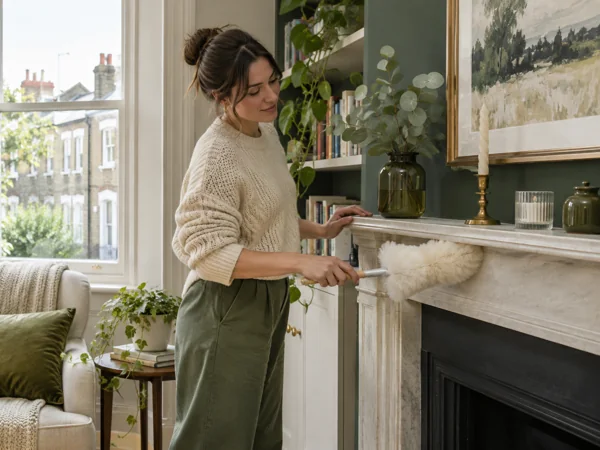
In living spaces, show the route around tables, fixed equipment and any ornaments on lower surfaces. Tell us if you want dust removed from one set of shelves every visit and the display cabinet left for another time. If children or pets use the area, decide which items can go in a basket and which are best left alone. Mention when somebody needs the room for calls or homework. Ask about a separate textile treatment for a sofa or chair if its fabric needs more than the regular dusting and floor work around it.
Get a floor plan from the entrance to the furthest room
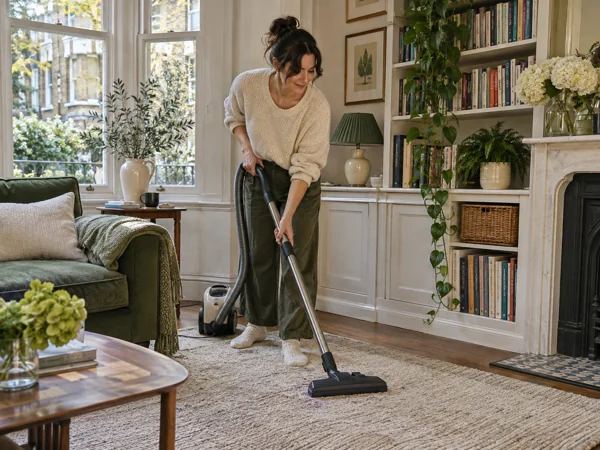
Shoes, pushchairs and bicycles can bring grit into the home and take up space needed to clean the floor. Identify where these should wait during a visit, and say which part of the entrance should be left clear for someone returning. If the room sequence includes several levels, add each landing or short stair to the appointment discussion. A runner or mat can need its own attention when it meets a hard floor. Explain what can be moved safely and whether any rug edge has to stay where it is.
Tell us which method you use on each finish. A bathroom tile and a wood-effect hall can look similar from a distance while taking different care. Point out covering, wear or any area where a damp mop should not be used. Set out the equipment and attachments you would like used on floors. If you expect the work to finish in time for a school return or an animal coming in, share the time and plan where the housekeeper can finish without leaving a wet area on the main route. Discuss treatment for a damaged or heavily marked floor as its own job.
Decide what the household will cover between appointments
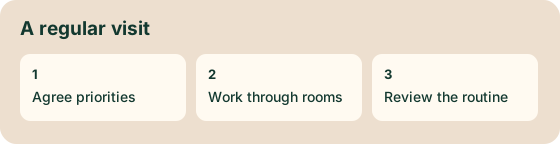
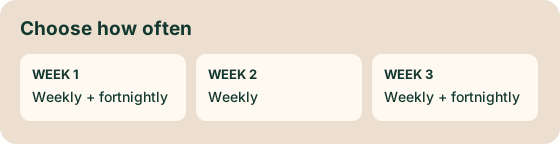
Weekly is a useful option when one part of the home needs attention again after a few days. Tell us whether that is the main bathroom, the floor past the entrance or the worktop near the hob. With a fortnightly rhythm, explain the tasks the household covers between visits and which areas are likely to need extra time as a result. For either choice, select an order that still makes sense if one job takes longer than expected. Keep a short second list for items that can move to the next visit or be done only when the room is free.
Give a preferred day and an alternative, then share when somebody can answer the door or use the approved access method. If a school run, shift pattern or visitor changes the day, tell the office what dates will actually work. A regular plan can change if the household’s needs change, but check the appointment itself before relying on a different start. After the first clean, ask which areas took more time and review whether to make the window longer or change the set of jobs that repeat.
Days and access
| Situation | What to share | How it helps |
|---|---|---|
| Shared entrance | Visible block and door number | Identifies the route |
| Weekday school run | Earliest time someone can admit us | Clarifies the visit window |
| Occasional guest room | Dates the room is available | Supports a rotating list |
Set out the equipment and agree a safe place for pets
Keep the hoover, cloths and mop where the housekeeper is allowed to find them. Make sure a suitable bag, attachment or charged battery is ready if it is needed on the agreed floors. Label supplies that belong in particular areas, such as a stainless-steel product for the kitchen or a separate cloth for the bathroom. If quantities are running low, leave a replacement where it can be reached. Discuss any missing equipment before your next visit so the office can help establish whether the same room order is still practical.
Tell us where pets will stay and who will look after them during the visit. If a dog has a set walking time, give the period when it will be out and decide which floor or room can be done while it is away. For an indoor cat, identify any doors that must remain closed. Point out where bowls, toys or blankets should be left and what you prefer cleaned around. If the usual pet arrangement changes, agree the alternative and access with the office rather than relying on someone to move the animal at the door.
Keep the recurring quote focused on the regular room order
When you discuss a regular appointment, give the number of bedrooms and bathrooms in use, the floors to be covered and the visit length you want to consider. Explain how often a guest room, hallway or downstairs toilet needs attention. Include anything that would change what can be reached during a visit, such as work hours or a room with items to move first. The office can then discuss the date, priorities and price together. After the first clean, revise the items that need more time and leave any lower-priority tasks on the rotating list.
If you would like work on an appliance interior, a carpet or particular upholstery, raise it as its own request. Describe the item and what you would like cleaned so the office can consider the right service. For a larger one-off clean, give the rooms and reason for the change and discuss when the property will be free. The regular visits can concentrate on everyday upkeep while you consider separately timed jobs. Tell us when the larger work would change the usual access, pet arrangements or room order so each appointment has a practical plan.
What changes the time needed
| Detail | Example | Discuss ahead |
|---|---|---|
| Extra level | Landing above the main rooms | Which stairs to include |
| Pet arrangements | Door that must stay shut | Order the accessible rooms |
| Discoloured fabric | Chair or sofa upholstery | Separate treatment enquiry |
Quotes for Beckton homes
From £23 per hour. Confirm the rate and visit length for your address when you request a quote.
Get a QuoteRelated cleaning services
- Spring cleaning · Ask about a one-off visit for rooms that need additional time.
- Oven cleaning · List the oven cavities and removable parts when requesting appliance cleaning.
- Carpet and upholstery cleaning · Tell us the material and which areas or pieces you want treated.
Local references · Newham Council’s Beckton Parks masterplan information
Beckton housekeeping questions
Can I put Beckton District Park in the directions?
Use it as a landmark only. Give your postcode and exact residential entrance as well.
Can we keep a pet room closed every time?
Yes. Agree which room is kept closed and make sure the normal list fits the rooms that can be entered.
Can you clean only part of the kitchen if someone cooks during the visit?
Explain which area will be free and when the rest can be approached.
Can I move the visit to a week when the guest room is empty?
Ask the office about the revised date and say what else should change in the room order.
Can you include the landing where the floor changes to a runner?
Say which parts need attention and identify any special attachment or loose edge.
What if the usual hoover is being repaired?
Tell the office before the appointment and discuss how that affects the planned work.