 Housekeeper
A routine for the home you live in
Regular Housekeeping in Islington
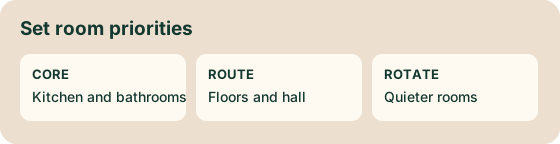
Give your Islington home a regular cleaning rhythm that fits the way you use it. Start with your postcode and tell us about the kitchen, bathrooms and floors you want covered each time. We can then discuss a weekly or fortnightly visit, the time it needs and the rooms you would like us to rotate.
Can I enquire if I live near Angel?
Yes. Enter the full address postcode so we can check the specific home and the frequency you prefer.
What if my flat uses a side entrance?
Give the street, door or bell label and any steps between the street and the flat. Agree ongoing access separately.
Plan the first visit around the rooms you actually use
Start with the rooms everyone uses and the work you would like repeated. In a one-bedroom flat that might mean the open kitchen, bathroom and the floor from the front door through to the sofa. In a family house it might mean the kitchen, two bathrooms and the stairs, with bedrooms added in order of use. Tell us how many people share the space, where meals are prepared and which rooms have to be ready before the visit ends. If your list includes work that happens less often, mark that separately when you ask for a quote.
At the first visit, show the housekeeper the rooms in the order you agreed. Point out any surfaces with product instructions and where fresh cloths or bin liners are kept. Then decide which item should move to the following visit if a priority room needs longer than expected. A brief message after the appointment about the rooms reached gives us a basis for reviewing the time and sequence. For a larger home, it can be better to agree a recurring core list and rotate the spare rooms than to allocate the same time to every room regardless of use.
An N1 address with directions to the right door
Transport for London lists Angel station on the High Street in N1. Islington Council treats the Angel and Upper Street North as separate conservation areas. Its design guidance describes much of Camden Passage as pedestrian only. Those are useful reference points for someone approaching on foot near Angel, but give the full property postcode and the precise street or passage where the residential door opens. A front door above shop premises may use a separate bell beside the businesses. In a converted house, include the flat number as the resident and visitor see it on the door.
If a basement flat has steps below the front pavement, describe the route from the gate down to the actual bell. If the household normally enters using a rear door, explain whether visitors can use that route and which entrance you prefer for the first appointment. For a property with a communal lobby, agree the intercom and private flat numbers separately. Give permanent details, such as the sign and floor, with the booking enquiry and agree privately how keys or codes will be handled if you intend to be out. The full property postcode lets us check the address before agreeing a regular day.
Follow the kitchen from worktop to dining area
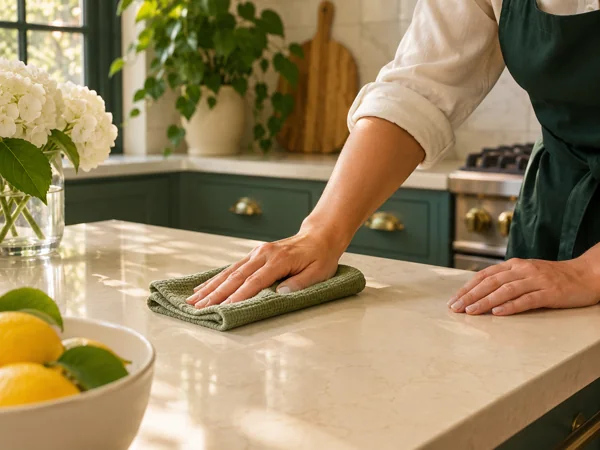
A regular visit can cover the accessible worktops, hob surface, sink and splashback, together with the floor around the main preparation area. If a counter runs beneath several small appliances, point out the kettle or toaster you want moved when it is safe to do so. Tell us about an oiled timber area, a natural stone worktop or a finish with instructions from the fitter. Agree which product is already available and where it will be left. For a kitchen used between calls or school runs, it helps to clear one section of worktop at a time so the surfaces can be reached in sequence.
In an open kitchen, include the dining table and the floor beneath it if food and crumbs usually travel that far. Let us know how you want placemats or a tablecloth left, and whether pet bowls are collected during the visit or stay where they are. Where the room doubles as an office in the afternoon, agree a practical point at which to clean the table and floor without interrupting the workday. Request oven interiors or the inside of a fridge as separate tasks and describe the work in advance so its timing can be considered alongside the regular list.
An everyday room plan for an Islington home
| Part of the home | Usual visit priorities | Decide before arrival |
|---|---|---|
| Kitchen and dining | Accessible surfaces, sink and floor below the dining area | Identify stone or timber and show where cleaning products stay |
| Shower room | Shower screen, basin, toilet and floor | Flag the fittings that need a particular product |
| Sleeping areas | Dust accessible surfaces and vacuum the floor | Lay out the right linen if bedding changes have been agreed |
| Hall and stairs | Collect grit and vacuum accessible treads | Identify delicate rugs and confirm which landings are included |
Give bathrooms their own running order
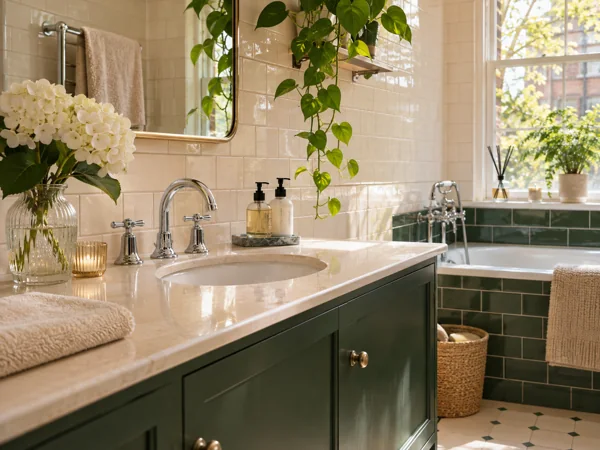
When requesting the visit, count the bathrooms separately from a downstairs cloakroom. A shower room that everyone uses may need more of the appointment than a guest bathroom. Tell us which bath, shower screen, basin and toilet are included, where you keep the bathroom products and whether a tile or metal fitting requires a particular cleaner. The housekeeper can then work through the accessible surfaces, mirrors and floor in the agreed rooms. Set out a fresh bath mat if you would like it put down once cleaning is finished.
Choose where to start if more than one bathroom is occupied while people are at home. A shower used immediately before arrival can be reached later in the visit while another room is cleaned. Where a shower screen or grout needs work beyond the usual upkeep, describe the condition while arranging the next appointment. A separate job can be discussed if the treatment or time differs from the regular list. Tell us where to leave the family's toiletries so daily items are easy to find when the visit ends.
Meet Housekeepers Covering Islington
Tell us your postcode and preferred frequency so the office can check who covers your address.
Get a QuoteBedroom linen, sitting rooms and the floors in between
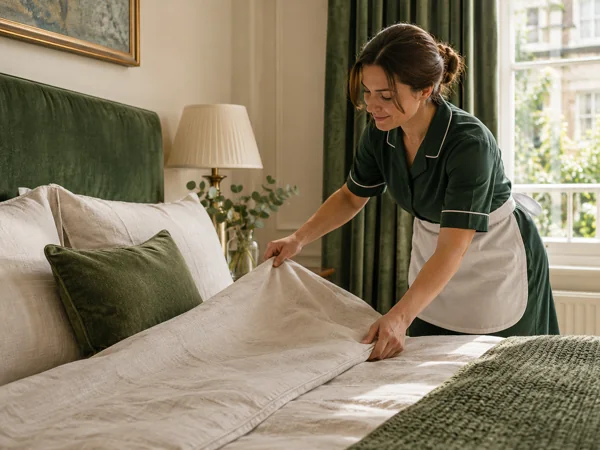
For bedrooms, tell us which surfaces can be cleared for dusting and which should be left as they are. If bedding changes are part of the agreed visit, put a complete set in each room and say where the removed bedding should go. Identify larger beds or different sheet sizes by room. A spare room used mainly for storage can go on the rotation, while the most used bedrooms stay on the usual list. If you want the room ready for an overnight guest during a particular week, give the new priorities when discussing the change.
For the living room, highlight the surfaces reachable around books, screens and ornaments and mention any objects you prefer to move yourself. Include the hallway, landing or stairs as separate parts of the route if they need vacuuming. Tell us where timber changes to tile and whether a rug has fringes or a delicate surface. Starting with the upper rooms can be practical in a split-level home, provided the most important room can still be reached first when needed. Ask about separate carpet and upholstery work if there is a stain or a fabric that needs treatment beyond everyday vacuuming.
Picking the right level of regular help
| Visit type | Example household rhythm | What to give us |
|---|---|---|
| Weekly | Daily shared cooking and regular use of a family bathroom | The order of rooms you expect us to reach each week |
| Fortnightly | You handle daily spills, while several rooms need a planned clean | The rooms that need attention after two weeks of typical use |
| Separate one-off visit | Guests, a seasonal refresh or a change to the home | Rooms or jobs that need individual discussion and a quote |
Work out how long your priorities go between visits
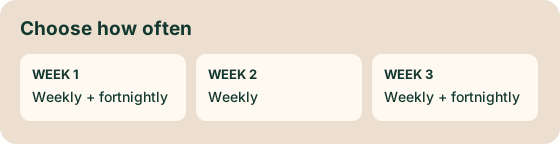
Weekly housekeeping gives you a regular point in the week for shared bathrooms, kitchen surfaces and busy floors. It can suit a household where meals are prepared daily, the entrance picks up grit and the sitting room serves as a family room every evening. If you work from home, tell us which part of the week has the most predictable start and finish for meetings. You can also discuss a visit that keeps the same core rooms but switches between bedroom dusting and a more careful pass through the landing.
Fortnightly housekeeping can work when rooms stay manageable between visits and the family deals with day-to-day spills or washing up. Give us the list for a full fortnight rather than the list for an unusually quiet week. A kitchen used heavily at weekends might need the larger share of the visit even if the bedrooms are lightly used. Where your schedule alternates between weeks at home and away, say which cycle you prefer. You can request a particular day and discuss a preferred cleaner, subject to address, timing and available options. If you need just one visit, ask for a separate spring cleaning enquiry.
Keep equipment, pets and household access predictable
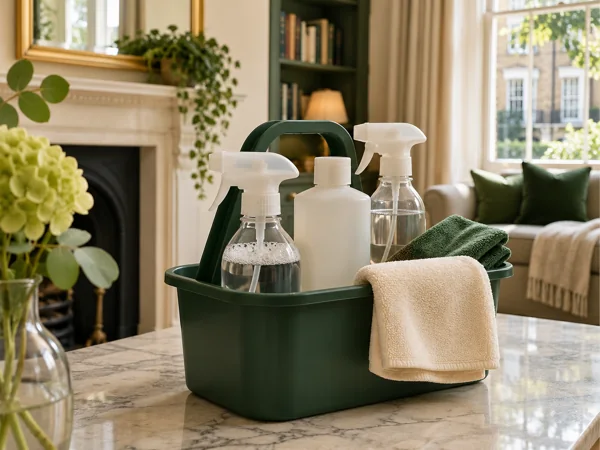
Before the appointment, establish who supplies the vacuum, mop and cleaning products, and share where they can be found. A cordless vacuum may need to be charged and a house on several levels may have different equipment upstairs. If you prefer fragrance-free products or have something specific for worktops, mark which surfaces it may be used on. Let us know if anything is kept in a cupboard that requires permission to open. It is easier to agree equipment before the first visit than to change the room list on arrival.
Name the room where a cat or dog should stay while work is under way, and tell us which gates, internal doors or sash windows need to stay closed. For a pet that moves between rooms, arrange the cleaning order around its routine and identify who will move the animal safely if needed. Where you are at home, let us know if it is best to meet at the door or ring a named bell. If you plan to leave a key, agree who can receive it and how it should be returned before relying on a regular arrangement.
Review a change of day or a separate job before it is added
Tell us about changes early, especially if an appointment usually depends on a person meeting the housekeeper or a building allowing access at a particular time. Tell us if one visit needs to move or if you would like to change the recurring day. If you are returning after a holiday or renovation, consider what has changed in the home and which rooms to prioritise while we discuss the next appointment. Requests for the same housekeeper, date or time are subject to confirmation. Giving an alternative day can help the discussion when the usual one is difficult.
For a quote, provide the full postcode, room and bathroom counts, preferred frequency and any special access arrangements, along with work you want priced separately. Heavily used sofa upholstery, cooker interiors and a thorough seasonal clean can have different equipment and timing needs. Describe the item or space alongside your regular housekeeping request so we can discuss the right service without taking time away from your main rooms. Confirm the time allowance, price and appointment details before relying on a recurring booking.
Where to put the extra work
| Request | How to describe it | What we will discuss |
|---|---|---|
| Linen changes | List beds by room and provide a clean set for each | How to include the agreed work within a visit |
| Oven cleaning | List the cavities and removable racks that need cleaning | A separate service enquiry and price |
| Carpet or upholstery cleaning | Give the room, item and any known fibre or care label | Treatment options and timing for the separate work |
Quotes for Islington homes
From £23 per hour. Confirm the rate and visit length for your address when you request a quote.
Get a QuoteRelated cleaning services
- Spring cleaning · Ask about a one-off visit for rooms that need additional time.
- Oven cleaning · List the oven cavities and removable parts when requesting appliance cleaning.
- Carpet and upholstery cleaning · Tell us the material and which areas or pieces you want treated.
- End of tenancy cleaning in Islington
Local references · Angel Underground Station, Transport for London · Islington Council conservation areas · The Angel and Upper Street North design guidance
Islington housekeeping questions
My flat is near Camden Passage. Which entrance should I provide?
Use the actual door you want the housekeeper to use. Give the adjoining street or passage, visible bell or number and any steps to the private entrance. Keep access codes out of the public directions.
Can the arrival time fit around our working day?
Give your preferred day, the time you can provide access and any room that is occupied during meetings. We can discuss the timing and order before confirming a visit.
Should we book every week if only the kitchen is heavily used?
Tell us how often the kitchen needs a full pass and which other rooms need regular attention. We can discuss a weekly core list or a fortnightly appointment with the kitchen first.
Can we set up a routine for two beds with different sheets?
If bedding changes are agreed, put each clean set in its own room, indicate the bed sizes and tell us where the used linen should go.
How do we handle a change from one intercom to another?
Send the updated door and bell details before the next appointment. Explain who can let the housekeeper into the building and how to reach the private flat once inside.
Can I choose the same cleaner for the start of each fortnight?
You can request a preferred cleaner and recurring day. Tell us what worked on the first visit. The office can confirm the options for the address and timetable.