 Housekeeper
TW1 · Rental handover
End of Tenancy Cleaning in St Margarets
For a TW1 home, give the street and door number alongside the quickest way to recognise the entrance. Include steps or a long passage if equipment has to use them.
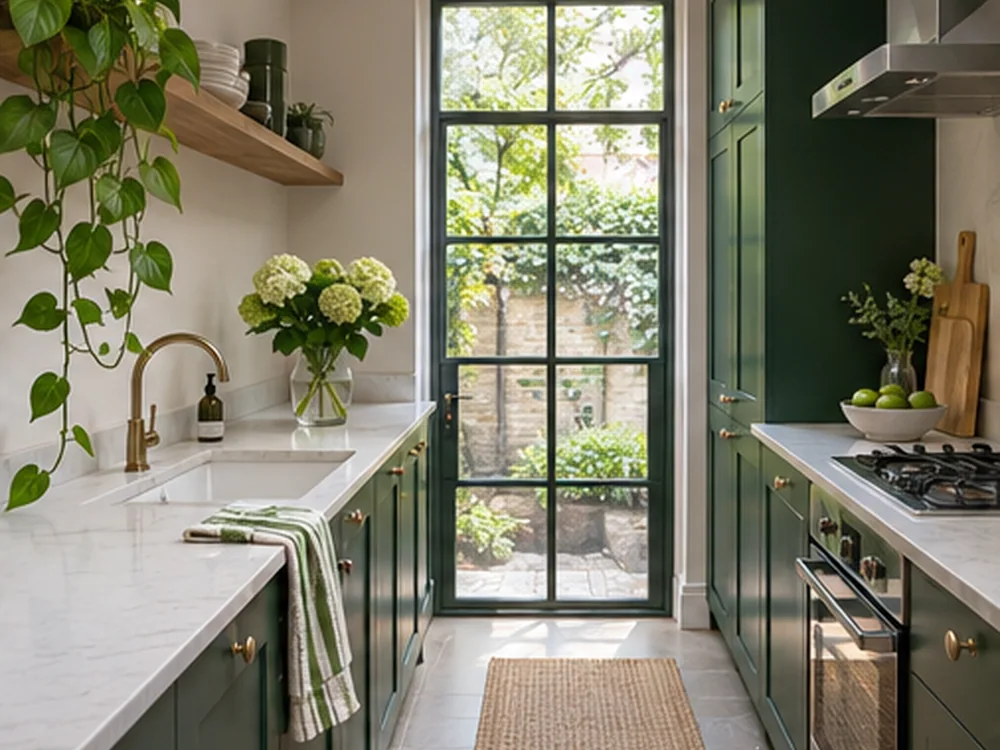
Distinguish a private approach from the local landmarks
Richmond Council’s St Margarets planning guidance identifies Moormead and Bandy Recreation Ground and the River Crane in its description of the area. If you start directions with a nearby landmark, continue to the complete TW1 rental address. For a house divided into flats, use the door or bell name the building displays today. An old inventory photograph may show an entrance label that no longer exists.
A route on foot from a nearby station or park can be quite different from the approved place to bring equipment in. Give both sets of directions where needed. If a lower flat has steps off the shared front path, identify them before anyone rings the upper bell. If the door is round the back, explain where the team has permission to step off the road and who will open the gate. Tell the office which parts are private so it can ask the right person about any restriction.
Address details
- Richmond upon Thames · Local authority
- TW1 · Main postcode districts
- St Margarets planning guidance · Local reference
Make the private entrance work after the tenant leaves
Decide who will be close enough to open a shared door or let a visitor into the correct stair. If the front key opens only the building and not the flat, identify a separate key before relying on a branch pickup. Test the key to any lower entrance or outside store included on the inventory. Check that a visitor can also exit and lock the relevant door without waiting for someone who left earlier in the day.
For a narrow side passage, check where a trolley can turn and where it is allowed to wait. Give the practical unloading location and ask the building contact which hours apply. Confirm how a key receiver will document their receipt and who is meant to hold the keys when the clerk arrives. If entry is later than planned, update the person who can issue keys as well as the person waiting at the property.
- Put any side passage and outside steps in the arrival notes.
- Name the person who can authorise a change to the approach.
- Agree how the last keys and fobs get to the clerk or agent.

Reconcile the checkout room names
| Current use | Inventory name may be | What to check |
|---|---|---|
| Study | Back bedroom | Desk floor or wall edge |
| Half landing | Stairs and landing | Whether the cupboard is private |
| Entrance nook | Inner hall | Fitted mat and spare keys |
Make the short staircase and small spaces visible on the list
Put any half landing, box room or alcove under its own heading if it appears separately on the inventory. This can help when a stair that looks communal leads to a private cupboard or room. If an area has a different finish from the adjoining hall, record the threshold and which side is affected by a mark. A loose strip can change the safe equipment route even if the inspection itself would not be delayed.
Name each floor covering, window cushion or piece of retained soft furniture you want considered. For carpet and upholstery cleaning, provide relevant material and care details as well as the affected area. If a rug comes out, check the floor beneath it and document existing wear. If a banister, blind or window is loose, explain whether it affects the route or limits access to the adjoining surface. Show the current layout after the last pieces have gone rather than relying entirely on pictures taken when the room was furnished.
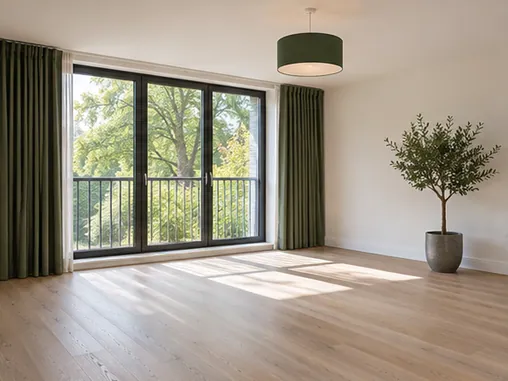
Put the check-in room names on the packing list
An inventory might call a space the back bedroom when the occupier calls it the study. Add the alternate name before the furniture goes. If you are moving after working from home, check for power strips, adhesive clips and floor protection left under or behind the desk. Photograph marks once that material has been lifted and record them against the room. If the landlord provided the desk, sort out where it will stand at handover and note which part of the floor it covers.
Make the same check for window seats, hall cupboards and any built-in shelves. Put a note on owner items temporarily moved to help packing. Do not guess where curtain poles, replacement tiles or other spares should be left if the letting agent has a list for the inspection.
- Name the room to be used for the final packing.
- Clear the opening space for all fitted doors and drawers.
- Keep pictures of newly exposed wall and floor marks with the inventory.
Report the fittings in front of and behind the door
A shallow room can have fitted units that look accessible from a doorway but open only part way around a remaining table or the sink pipe cover. Report the obstacle and whether it will be taken away before the appointment. Choose a photo that shows the angle of the cupboards and any shelves inside. Give the material around the sink if the owner has provided specific care instructions. For swelling, loose edge strips or a damaged unit, contact the agent and tell the office what can still be reached.
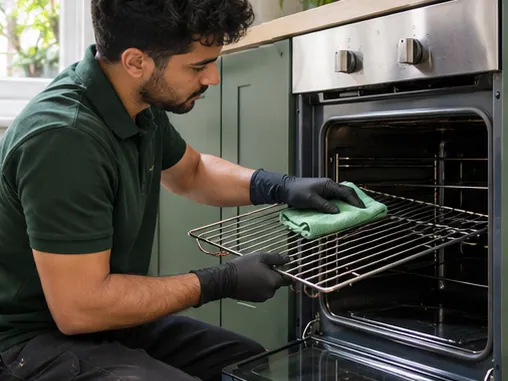
Name the cooking unit by cavity when you ask about oven cleaning. A landlord’s double oven may contain both a grill tray and a removable liner, or the top and bottom units may be different models. Give a picture rather than guessing. List any fridge, freezer or washer in adjacent storage as a separate appliance and say whether access crosses a room that is still in use. Ask the owner about defrosting, the expected condition of interiors and how to leave power when work has finished.
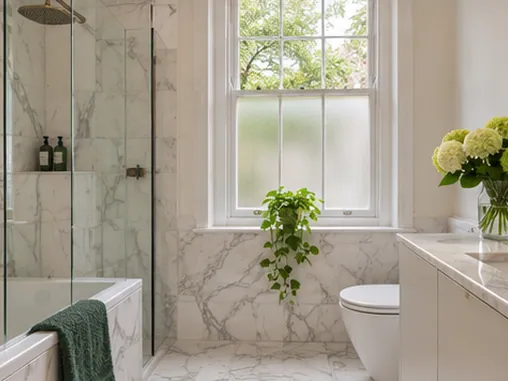
Give the last bathroom user a clear handover
Before the room is released, check baskets, the inside of cabinets and the space behind the door. Identify any spare parts or fittings that belong to the property and put them in an agreed place. If mirrors or rails are coming down with the tenant, record how that affects the wall and whether a repair is planned. Let the agent know about a defect early if it prevents safe movement or use of a screen.
Take a wide picture showing where the shower and its opening sit, especially where a fixed or hinged panel stands close to a bath or basin. Give a closer view of any cloudy residue or staining around the seals, and separate that from already damaged fittings. Include a separate cloakroom or small en suite even if one has only a basin and toilet.
- Remove the personal mats, containers and toiletries after the last use.
- State which section of glass moves and whether it closes normally.
- Report any known drips, broken fittings or loose sealant to the agent.
Check the directions at three points
| Point | What to send | Who checks |
|---|---|---|
| Road | Property number and full postcode | Tenant |
| Outer entrance | Visible name and safe waiting point | Key holder |
| Private flat door | Level and the key that opens it | Agent |
Confirm when a window or lower outdoor area will be available
If the enquiry includes inside glass, describe the opening window or fixed pane and the position of any shutters or blind. A high panel over a stair is worth identifying separately from regular room windows. Give a safe vantage point for a photograph and note any window already kept locked for a repair. Ask the letting agent whether a contractor will need access before the visit and update working plans if the repair changes what can be reached.
For steps or a private enclosure below street level, ask the agent whether it belongs to the tenancy or the whole building. Give the surface and anything stored there. Allow time for a final collection without blocking the side or lower door. If the person with authority can only open the route at a specific hour, arrange when it will be secured and which keys can be returned together. A labelled key ring can distinguish those used by the clerk from keys kept for a flat above.
Before the keys change hands, send the agent a final picture of the lower entrance or private rear route if it was used during the move. It can show the condition of the threshold and clarify which passage formed part of the tenancy. If the phone number for the opening contact differs from the number for the person receiving the keys, give each one a clear label.
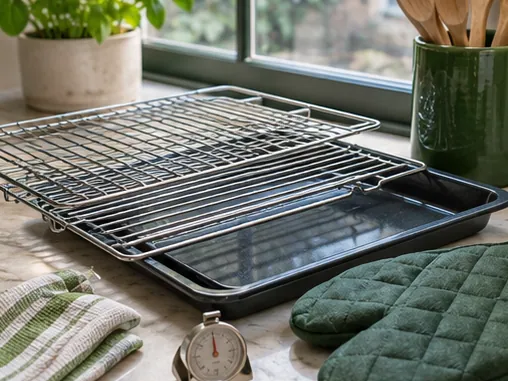

Window cleaning
Identify reachable glazing and agree a separate price for exterior access.
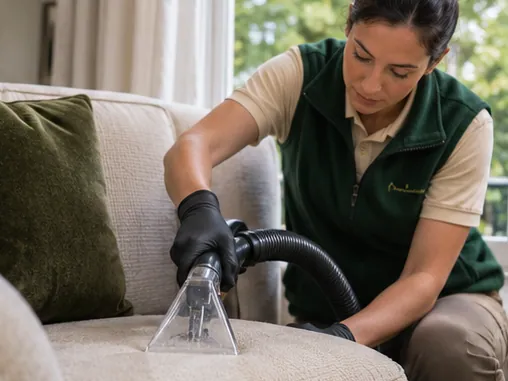
Carpet and upholstery
Describe the textile and leave drying time before the inspection.
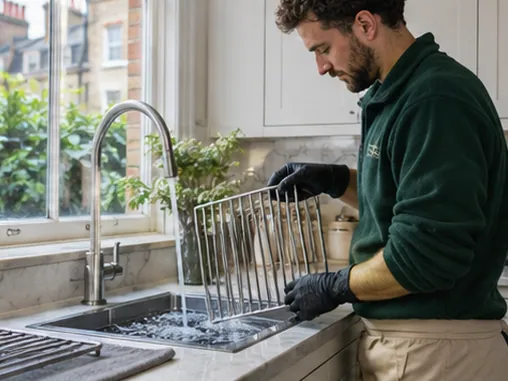
Oven cleaning
List the cavities, removable racks and separate grill when asking about appliance work.
Compare each proposal with the same flat and route
Give the address, the floor or levels included, the wet rooms and the contents remaining. Note particular floor materials and all fitted or freestanding appliances you want considered. If access requires steps or a long private passage, mention it at the same time. Provide the deadline for collection of keys and when the last load clears. Ask about availability before making the inspection dependent on a finish you have not agreed.
Use the inventory to check whether the same cupboards, kitchen compartments, windows and textile items appear. If two replies assume different furniture positions, confirm the position the clerk will see. Clarify whether a surface that is inaccessible until after a repair can remain excluded. If the agent requests a change, get an updated agreement that reflects the timing and any leftover materials.
Put smaller decisions in writing
| Item | Decision | Person to ask |
|---|---|---|
| Owner spares | Which cupboard keeps them | Letting agent |
| Lower steps | Which lock is used and when | Entrance contact |
| Window panel | What is accessible without repair | Agent or office |
Questions before booking in St Margarets
Is a nearby St Margarets landmark enough for the office to find the property?
It can provide bearings. Also send the full TW1 address, visible door and route the team has permission to use.
What if the inventory calls the study a back bedroom?
Use both names in your instructions and label the pictures the same way. Confirm whether any furniture stays in that room.
Do I need the lower entrance key if the rooms connect upstairs?
Check which route is approved and how equipment can turn. If the lower door will be used at any stage, agree who opens and locks it.
When should the agent see marks under a removed rug?
Photograph them once the rug is taken up and include the original inventory entry if there is one. Keep those notes separate from any carpet enquiry.
Can an internal window be looked at after the fitter comes?
Give the time when the fitter and their materials will be gone. Ask the office whether the new timing works before confirming it.
Does the private store need its own quote request?
Describe its location, surfaces, contents and key as a separate item. Check whether the inventory includes it.
Ready to discuss the visit?
Have the complete postcode and key return time available when you call.
Arrange your St Margarets checkout clean
London service overview · Area directory
Nearby areas · Twickenham
End of Tenancy Cleaning Prices in St Margarets
Tell us the number of bedrooms and bathrooms, and which extras you need for handover.
Get a Quote