 Housekeeper
TW9 · Rental handover
End of Tenancy Cleaning in Kew
Set out where the equipment can enter, which rooms still contain furnishings and who will hold the keys once the tenancy ends.
Distinguish Kew Green from the door where the visit starts
Richmond Council’s Royal Botanic Gardens, Kew entry gives Kew Green as the location of the gardens. Use the complete TW9 residential address instead of the attraction’s location for a rental enquiry. If you are using the green or nearby streets to give bearings, add a short description of the front gate. For a flat behind an entrance shared with another property, include the flat number and the name or lettering on the outer door.
A separate coach house, annex or lower-ground room may use an approach that looks like a private entrance to a neighbour. If that is your approved route, say where it branches from the street and how far the equipment travels. Clarify whether a path is private, shared or temporarily occupied by removals. If the back entrance only opens from inside, arrange for someone to meet the team at the front instead of listing two interchangeable doors.
Address details
- Richmond upon Thames · Local authority
- TW9 · Main postcode districts
- Royal Botanic Gardens, Kew entry · Local reference
Agree a handover that does not depend on the tenant being nearby
If you leave before the appointment, give the name of a person who can both authorise entry and answer questions about the route. Where the office needs to collect keys from an agent, get the address, the hours and an agreed named contact. Include whether the key set works for an inner front door as well as the outer one. When entry is through steps down from the street, describe any turn, handrail or narrow landing before the visit.
Make a separate agreement for final locking. The person responsible for the last check needs to know which windows and doors are meant to be secured and where all the keys go afterwards. If the inspector does not hold a key, confirm whether they will meet the person who secures the home or collect it later. Avoid passing private access information in a general message with copied recipients.
- Check each key against its door while you can still enter the property.
- Get approval to use any approach shared with another home.
- Ask when the receiving person will confirm receipt of keys and fobs.
Describe surfaces in a way the office can use
| Surface | Information to send | When to send it |
|---|---|---|
| Kitchen worktop | Material and mark around the sink or hob | With the enquiry |
| Bathroom sill | Care instruction and existing crack if present | Before confirming work |
| Stair runner | Number of treads and exposed edges | When the hall clears |
Separate regular cleaning from questions about floor condition
Check how the colour and sheen of a floor change once floor coverings are lifted. A light rectangle from a piece of furniture gives the agent different information from a fresh spill along the threshold. Photographs taken before and after the large items move may help make sense of the condition. If the inventory asks for a particular finish to be cared for in a certain way, send that wording and the location of the floor. The same instruction may not apply to a later extension or converted room.
Include any fitted stair runner in its own line, particularly if there is a strip of exposed timber beside it. When asking about carpet and upholstery cleaning, say whether a rug, window seat cushion or chair will stay and give the care label where available. Note individual areas of wear or damage and any spot product previously used. State whether the item can be reached on all sides or is fixed in place.
Read the inventory with the furniture still in place
Mark any landlord furniture that moved to a different room or will be put back after the tenant’s possessions leave. This makes it easier to match the departure report with the original photographs. Ask the agent where a portable lamp, fire screen, cupboard shelf or spare chair goes if the inventory gives no clear detail. Save the list before the last load, then update it when the property is empty enough to see behind the furniture. A dated photograph of each exposed edge gives the clerk a useful comparison.
Take away temporary pads, hooks and liners that belong to you only where it is appropriate to remove them. If removal leaves adhesive, pulls away paint or exposes an old repair, photograph the result and tell the agent. Leave anything disputed in an agreed place with a label rather than adding it to the rubbish.
- Check whether there are landlord items above fitted wardrobes or inside window seats.
- Tell the office where curtains, blinds or screens still restrict access.
- Share the time at which the last permanent room arrangement will be in place.
Plan the preparation
- Kitchen worktop
- Bathroom sill
- Stair runner
Give the worktop material and cooking layout separately
Where the kitchen has a surface you cannot identify, take a photograph under ordinary light and ask the owner whether there are care instructions. Timber beside a sink, natural stone around a hob and laminate inside a nearby cabinet can all have different finishes in a single room. Tell the office about pale patches, water swelling or cracks at a joint. A photo of a whole room helps orient the team, while a close view shows the actual position and condition.
For an oven cleaning request, identify any pair of neighbouring units by oven, combi oven or warming drawer, if known. Do not assume that all compartments have been included simply because they share a stack of cabinet fronts. Explain whether the racks and trays normally lift out, and mention a fault with the controls or door. Ask the landlord how a fridge or wine cooler is to be left when several days may pass before the next resident arrives.
Write down the condition of the fittings before they are handled
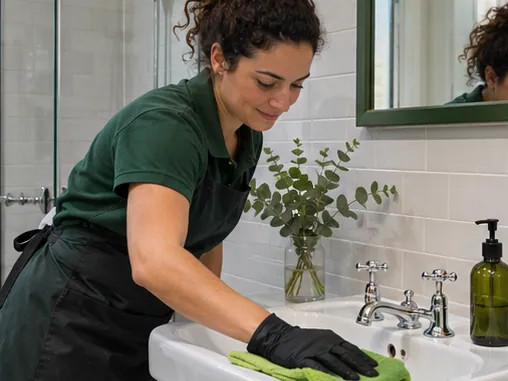
A bathroom can contain a stone sill, glazed sanitaryware and a metal surround on the same wall. Identify any care history you have, including areas the landlord warned you about when you moved in. Show the position of badly worn plating at a tap or around a bath waste, and identify any bead of sealant already coming away. If the space below a freestanding bath is difficult to reach, give the office a view from the doorway and state whether the bath and pipework must stay untouched.
Check whether the inventory includes a loose cabinet, tiled ledge or storage beneath a basin. Remove anything that is yours, including the unobtrusive items at the back. If a dressing mirror or mirrored cabinet has edges with existing damage, put that in the checkout file separately from marks on the glass.
- State which screen panels are fixed and which have working hinges.
- Mark existing chips in a basin or shelf on a room photograph.
- Include a different room entry for a cloakroom or en suite.
Record who decides what stays
| Item | Needed for the visit | Decision maker |
|---|---|---|
| Chair returned from storage | Final room and access around legs | Agent or landlord |
| Blind or curtain | Whether it stays and can be moved aside | Landlord |
| Loose rug | Whether treatment or removal is planned | Owner of the rug |
Track windows and owner furnishings by the room they occupy
If the inventory names a window in two parts, explain which internal face you would like considered and whether both parts are reachable. A fixed high pane above a stair or deep ledge can need a different conversation from the bedroom window just over the sill. Tell the office if a sash sticks, a cord has broken or you have been asked to keep a window locked.
Where furniture is being returned to its original position, agree whether that happens before the visit so you can describe which floor edges will be accessible. If it is a repair contractor who needs access first, ask when the work and any debris collection will finish. Give an update if the timing changes rather than assuming the clerk can work around an active repair.
Where a lower room has a second entrance, check how it is linked to the rest of the tenancy. If a staircase behind a locked door joins the two, say whether it will be open for the visit or whether the team has to unload via two separate approaches. List any flooring or furnishings in the stair itself where they appear in the inventory. Confirm who will walk through both levels to check that the door between them is left in the position the agent has requested. Keep the expected inspection time beside that instruction.


Window cleaning
Identify reachable glazing and agree a separate price for exterior access.
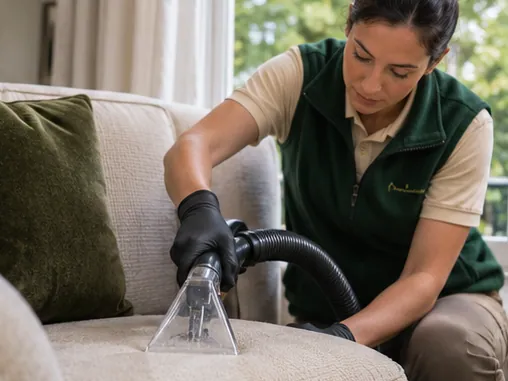
Carpet and upholstery
Describe the textile and leave drying time before the inspection.
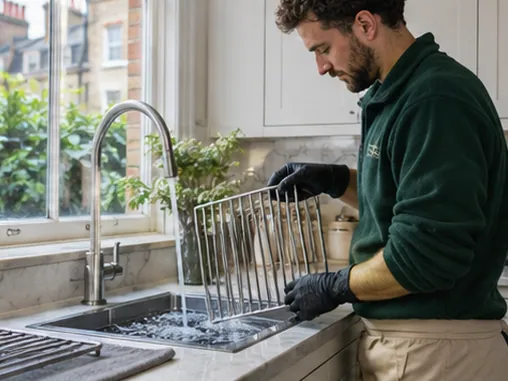
Oven cleaning
List the cavities, removable racks and separate grill when asking about appliance work.
Use the details that change the work when comparing quotes
Give the number of levels and wet rooms, the room names used in the inventory and how much furniture will still be present. Identify appliances inside the kitchen and in any separate room. Add the materials that require extra discussion and your preferred time between removals and inspection. If the timetable depends on fitting a room back out with owner furniture, say whether that happens before or after work. Ask about availability using the full address before agreeing a key handover that cannot move.
Read each quote against the same list and check the exact decisions made about an oven stack, glass, retained floor coverings and items in the lower rooms. Determine whether work at a particular fitting includes access underneath or inside. Keep an agreed change in writing if the agent wants to add a room after the first conversation.
Information for your quote
- Outer gate
- Inner door
- Final return
Check the key set after the route changes
| Point | Useful detail | Who confirms |
|---|---|---|
| Outer gate | Whether it locks from the street | Person opening the home |
| Inner door | The separate key if there is one | Tenant or letting agent |
| Final return | Receipt and branch or meeting address | Person receiving keys |
Questions before booking in Kew
Can I use Kew Gardens as the address reference?
Use it only as a landmark. Give the full residential address and explain what can be seen at the private entrance.
How should I describe stone with an existing pale ring?
Send a room photograph and a closer image with the material if known. Ask the agent whether the ring is already documented.
What if the landlord is bringing furniture back on checkout day?
Give the proposed order and the expected position of each piece. Confirm which surfaces will remain accessible in the agreed time.
Does a window seat cushion go on the carpet list?
List it separately under upholstery and give the material or care label, alongside any fitted carpet or runner.
Can the clerk use the lower entrance afterwards?
Check the authority to use that entrance and whether the clerk will actually have the key, including any gate.
How do I list a warming drawer rather than a second oven?
Give a picture or model of the unit and identify each compartment by function. Confirm which interiors and trays you want included.
Ready to discuss the visit?
Have the complete postcode and key return time available when you call.
End of Tenancy Cleaning Prices in Kew
Tell us the number of bedrooms and bathrooms, and which extras you need for handover.
Get a Quote