 Housekeeper
W7 · Rental handover
End of Tenancy Cleaning in Hanwell
Book around the last removals and the time you can release the property. Tell us what stays, what needs specialist attention and which door equipment can use.
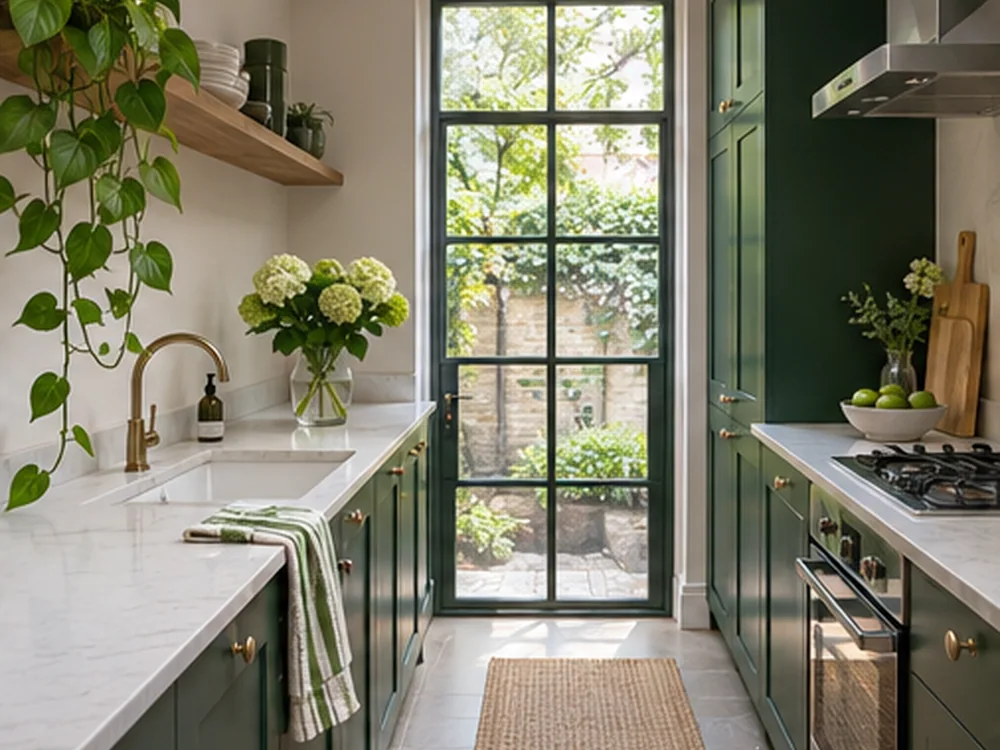
Give a W7 property address alongside the Hanwell landmark
Ealing Council identifies Hanwell Village Green and Hanwell Clock Tower as distinct conservation areas. If you use one as a local reference, say which and supply the actual street number or unit, floor and authorised approach. A terrace, maisonette or flat above another use can need different door instructions, even when a landmark is nearby.
Describe the points where a gate, outside steps or shared entrance have to be opened or crossed. Speak with whoever authorises that route, then tell the office when it can be used and when equipment has to leave. If your usual path would be too tight for equipment, provide an approved alternative or tell the office what limits are expected. Give the same information to the person who can release keys.
Address details
- Ealing · Local authority
- W7 · Main postcode districts
- Ealing Council identifies Hanwell Village Green and Hanwell Clock Tower · Local reference
Write a key release and return sequence that can be followed
Give the actual door, key and person with authority for each part of access. A gate, shared hall and tenancy may each need a different arrangement. Share confidential information only through the agreed private channel. Tell the office when the property can first be opened and when it must be locked for return. Agree who can change anything if the original key holder leaves.
- Confirm that equipment can get out after the work as well as in.
- Give the inventory review time separately from the final key deadline.
- Match key sets to the person authorised to receive them.
For a different return location, provide the address and hours. Confirm who secures doors after the inspection and whether someone still has to collect an item. Adjust arrangements in advance if a scheduled repair or collection needs another entry.
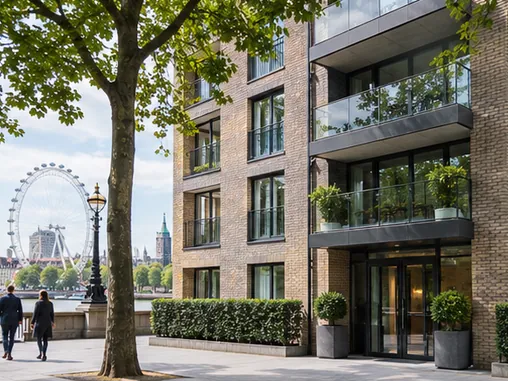
Check how the keys and equipment move
| Stage | Information to provide | Who can confirm |
|---|---|---|
| Arrival | Actual door, authorised path and key release | Property contact |
| During work | Agreed rooms and access decisions | Named authorised person |
| End and inspection | Exit, security and return time | Agent or owner |
List rooms by floor and note reachable inside panes
Take a walk through the empty tenancy and write down accessible floors, inside glass, sills and built-in storage. Give the floor material or owner care advice if known, and photograph existing scratches and worn patches. A bay or raised inside panel can have surfaces in different positions. State which parts can be approached safely and leave a faulty catch in place.
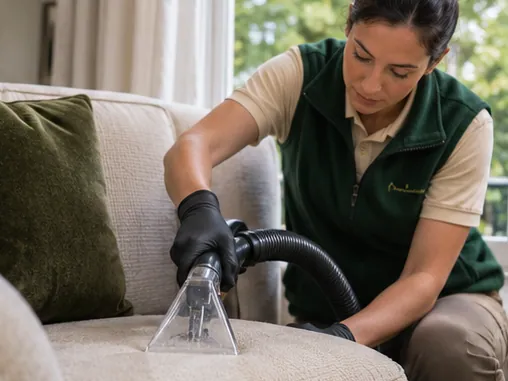
For a retained chair, rug or carpet needing extra work, give the fabric or fibre where available and note how it will be used next. Discuss specialist carpet and upholstery cleaning independently and leave the advised drying time. If that path is the only way out, consider an inspection later or agree an available alternative route.
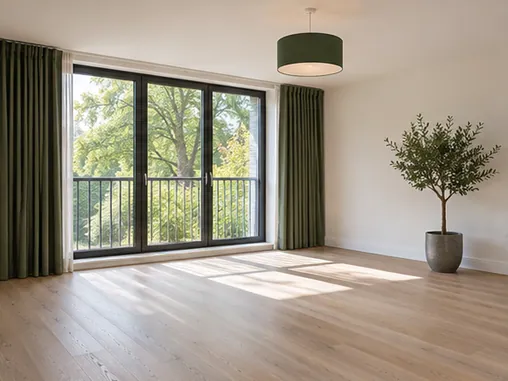
Name the inventory items that remain after the move
Check the flat or house against its handed-over contents. Put owner’s instructions and parts alongside the correct cupboard or appliance. Remove loose goods from the spaces agreed for cleaning. After furniture leaves, report older marks beneath it and any broken fitting exposed. Clear the path through the first and last rooms, including any low cabinet where personal items tend to remain.
- Give a room list that identifies added utility storage or a private staircase.
- Confirm the final removal times and which access stays available.
- Arrange working water, electricity and lights until completion of the review.
If a piece is due to leave later with another visitor, describe its position and movement route. Identify how reachable floors or work surfaces can be accessed. Tell the office who can adjust the work if an agreed area is unavailable. Keep the inventory copies and last keys out of storage boxes as the property empties.
Describe internal cupboards and cooker sections independently
List the number of oven cavities, any separate grill and the agreed accessible interiors. Identify shelves, racks and trays that belong with the cooker. Remove your cookware, food and loose organisers from the appliances and cupboards that are due to be treated. If a freezer interior requires safe preparation or defrosting, arrange it before the appointment. For an oven, confirm when it can be left empty and cool.
Tell the office which counter, cupboard face or other finish needs care instructions. Report chips or loose hinges as condition information. For deeper cooker residue or several interiors, ask whether separate oven cleaning is appropriate. If an appliance is concealed, give the location and door or model so it can be found quickly.
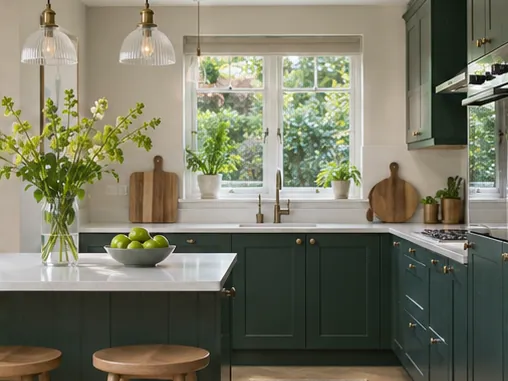
Prepare accessible fittings and glass without disturbing owner items
List the main bath and any separate WC or shower. Indicate where a screen, mirror or cupboard can be reached safely. Define the finish where known and report a leak, failed seal or other fault separately. Show scale or a water mark with a photo if it is difficult to explain. Clear products from reachable surfaces and empty only the cupboard interiors that are approved.
- Give any owner guidance for coated glass, tiles or stone.
- Report a loose fitting or broken latch beforehand.
- Identify which washroom contains the affected fixture or surface.
If there is a repair due before the inventory, tell the office when the plumber or contractor expects to finish. Explain which parts can still be reached and what needs to stay undisturbed. Keep the agent’s review separate from repair work that will still be ongoing.
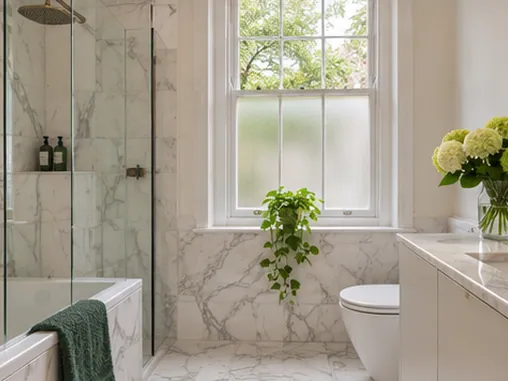
Define rooms and condition details
| Place | What to discuss | Before work starts |
|---|---|---|
| Kitchen | Cavities, accessible cabinets and appliances | Clear agreed interiors and supply care information |
| Washroom | Material, reach and fixture condition | Remove products and note damage |
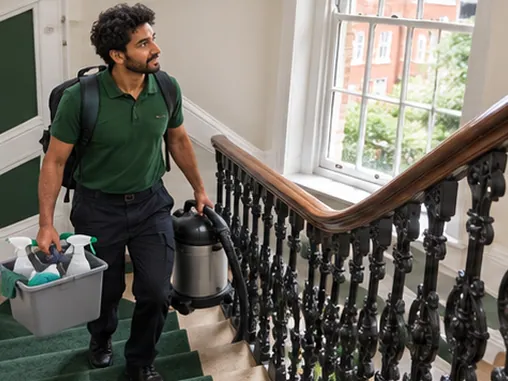
| Main room or stairs | Inside glazing, flooring and storage | Move agreed contents and record older marks |
Set a separate route for specialist glazing and larger collections
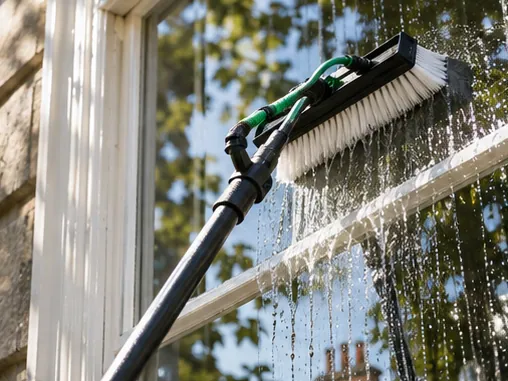
For external panes, give the position, safe access and any owner or building permission. Allow a separate discussion rather than combining it with what can be reached from inside. If an owner’s fabric piece or floor needs treatment, share its care instructions before arranging the date. Keep the area clear for the recommended time after any agreed work.
For a bulky object or old appliance awaiting collection, identify ownership and the approved exit. Arrange its trip out before the nearby floors or surfaces are due to be checked. Describe any concurrent visit and how it uses the same route.
Window cleaning
Identify reachable glazing and agree a separate price for exterior access.
Carpet and upholstery
Describe the textile and leave drying time before the inspection.
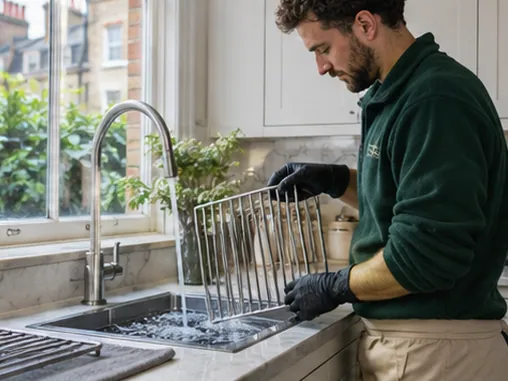
Oven cleaning
List the cavities, removable racks and separate grill when asking about appliance work.
Send the office the condition, layout and requested work
Include the full postcode, bedrooms and washrooms, private levels, furnished condition and any agreed fitted interiors. List cooker cavities and additional treatment or other services requested. Give when the property becomes available and the earliest or latest times for equipment and the review. If the list changes after clearing, submit the actual details before agreeing a start.
Use the local preview to gather the property size and proposed options. The office can check actual address coverage, available times and quote once the room and access details are supplied. Ask which extra work needs its own appointment or preparation.
Information for your quote
- Separate oven treatment
- Carpet or fabric treatment
- Exterior glass
Additional work planning
| Request | Information required | Allow for |
|---|---|---|
| Separate oven treatment | Cavity list, parts and condition | Safe preparation and cooling |
| Carpet or fabric treatment | Material and required route | Advised drying period |
| Exterior glass | Height, approach and permission | Separate access assessment |
Questions before booking in Hanwell
Should I say whether I am nearer Hanwell Clock Tower or Village Green?
Mention it if useful for orientation, then give the exact property address and approved equipment route.
What if a gate is shared with the other flat in the building?
Ask who can permit access and confirm the times it is usable. Explain how the team will enter and exit.
How do I list a grill that is part of a larger cooker?
Give the cooker model or cavity list and identify which parts the agent wants considered. Separate owner accessories from yours.
What do I do about a shower seal that is waiting for repair?
Tell the property contact and the office. Describe what remains reachable and confirm how the adjacent surfaces may be handled.
Can the last carpeted stairs be treated before the inspector uses them?
Give the route, fibre and proposed time for the review. Ask about required drying and safe access before booking.
Who gives permission to open a fitted cupboard the owner normally locks?
Confirm authority and access with the owner or agent ahead of work. State what remains unavailable in the agreed list.
Ready to discuss the visit?
Have the complete postcode and key return time available when you call.
Arrange your Hanwell checkout clean
End of Tenancy Cleaning Prices in Hanwell
Tell us the number of bedrooms and bathrooms, and which extras you need for handover.
Get a Quote