 Housekeeper
KT1 · Rental handover
End of Tenancy Cleaning in Hampton Wick
If the access and inventory involve several rooms or people, give us those details together. We can discuss the work and time between the last removals and the review.
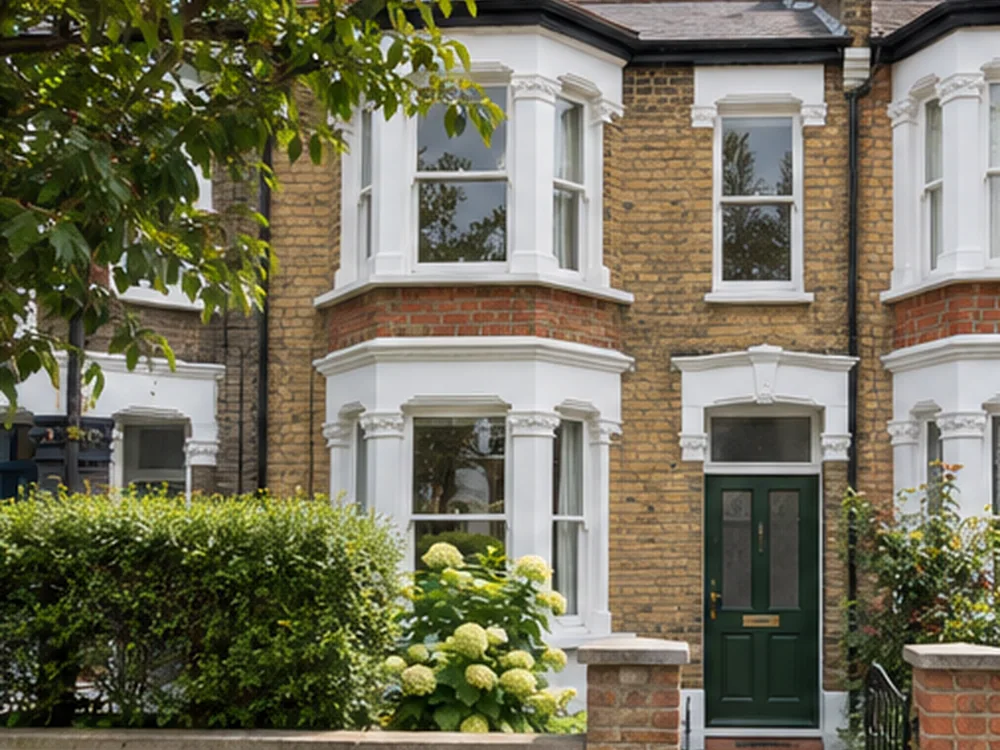
Give the residential door rather than a bridge-side landmark
The council’s Hampton Wick conservation area statement identifies the Thames and Bushy Park around the area, and discusses the High Street and Park Road. Use the precise KT1 address and residential door in your booking, with any local reference as context. If someone arrives from the bridge on foot, the approved route for equipment may still be different. Tell us which entrance is available to the cleaner and who can open it.
Check whether there is a private stair, shared passage or rear door, then confirm the arrangement with whoever controls it. Include the name or number on the entrance and the release time after removals. Where access needs permission separately for arrival and exit, make both clear before asking the office to schedule the work.
Address details
- Richmond upon Thames · Local authority
- KT1 · Main postcode districts
- Hampton Wick conservation area statement · Local reference
Keep the private and shared door timings reliable
Confirm who can release access at the agreed start. Give the unit, floor and exact entrance and say whether the exit is the same. If keys or visitor passes must be returned to another person, describe where and when. Keep sensitive instructions in the agreed private channel. Find an authorised person who can answer questions if one of the rooms is unexpectedly unavailable.
- Arrange for equipment to leave while the route remains available.
- Tell the agent which keys they need at the final check.
- Allow time to secure the property and return every set.
If a property manager or family member can only wait for a short period, tell the office before fixing the inspection. Decide how access is maintained if that person has to leave before the cleaner.
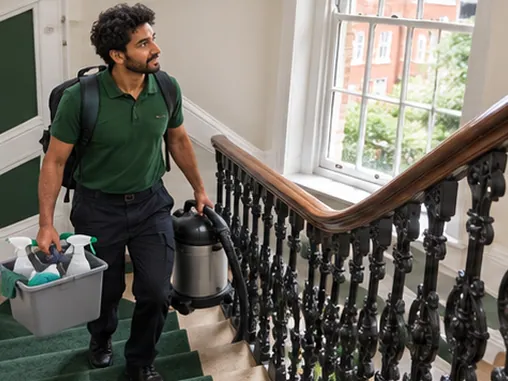
Set up the access and inspection sequence
| Stage | Provide | Confirm with |
|---|---|---|
| Arrival | Approved entrance, unit and expected opening | Key holder or building contact |
| Work and exit | Available rooms, door access and equipment route | Authorised booking contact |
| Review and return | Inspection time, security and key destination | Agent or owner |
Record the inside windows and floor finish when the rooms are clear
Use the inventory to note the reachable internal glass, ledges, fitted storage and floor finish. Where an older pane sticks or a window cannot be reached safely, leave it secure and explain the limit. For a surface finish that needs separate care, give any ownership guidance or material details. Take photos of older damage once furniture has moved and report it separately. An owner’s chair or other item may affect the available space.
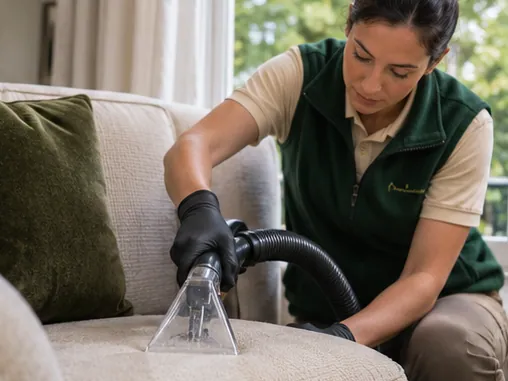
If the property requires a carpet or fabric treatment, describe the material, position and expected inspection route. Ask how long the treated area should remain available for drying. Discuss carpet and upholstery cleaning independently from usual room preparation when requested.
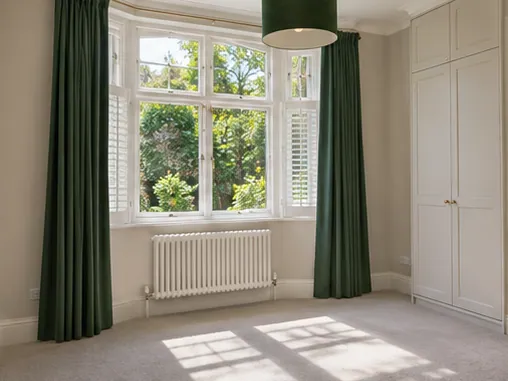
Identify which fitted interiors and belongings will remain
Compare the current inventory with the flat or house once movers have emptied it. Some fitted wardrobes, furniture or appliance parts will stay. Take personal goods from the agreed spaces and tell the office about anything still waiting for another pickup. Give an available route once the larger items have left. Make photos of any older marks or faults for the condition record and keep them with the paperwork.
- Maintain working utilities and lights until the room review is complete.
- Put the keys and owner guidance somewhere accessible.
- Explain which cupboards and rooms can actually be opened on the day.
Before you leave, check if the agent requires an additional room or fitted compartment considered. State how it is reached and who is authorised to give permission. If another visitor still needs the route, agree who releases it and when the property can be checked.
Plan the preparation
- Arrival
- Work and exit
- Review and return
Name each cooker section and surface finish with the applicable work
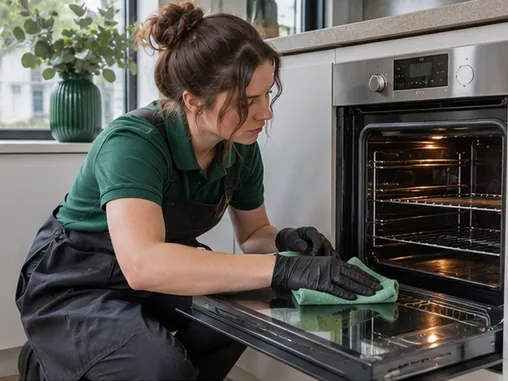
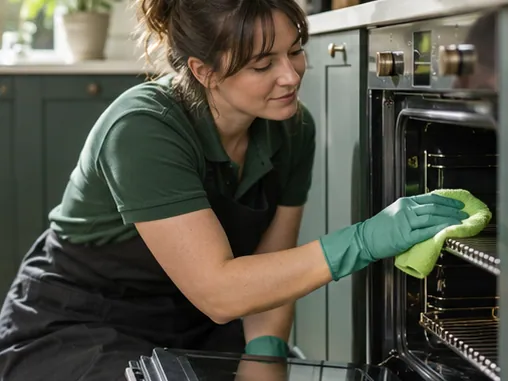
A compact kitchen can still have a main oven, grill, freezer and separate built-in appliances. Identify what needs to be considered in each and which racks or shelves belong to the property. Remove food, utensils and personal cupboard liners. Arrange the agreed safe preparation for interior fridge or freezer work before access. Leave the cooker clear and cool where it forms part of the booking.
State the cupboard, surface and counter material and share instructions from the landlord. Tell us if a hinged door, control or cabinet base is already damaged. Ask about separate oven treatment if the inventory requests more than agreed surface work or the condition needs particular assessment. Confirm there is enough reach at the front of the appliance.
Give the material and reach of the washroom fittings
List the main bathroom, en-suite or separate toilet individually. Describe reachable glass and ledges and any known finish such as coated glazing or stone. A cloudy mark or residue next to an old seal needs more information about material and condition. Show a clear photo and report broken parts or leakage separately for the agent. Clear the agreed shelves, storage and reachable floor.
- Explain where the side of a screen cannot be safely reached.
- Report a faulty opening mechanism before anybody uses it.
- Give any supplied care instructions for the surfaces.
If a repair or installer is due, find out when the surrounding surfaces are available. State which areas need to remain untouched and whether another agreed space can be handled first. Keep the inspection contact aware if a fault still affects access.
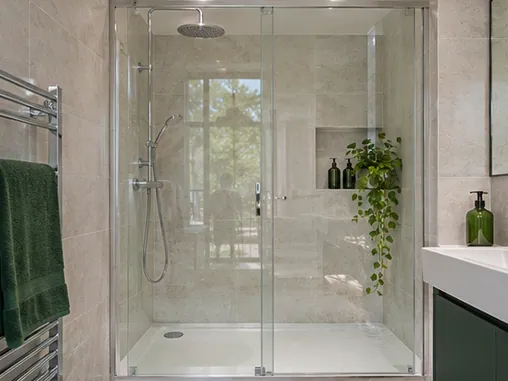
Put the surface and access notes in the inventory
| Area | What to discuss | First preparation |
|---|---|---|
| Kitchen | Cavities, units and approved appliance interiors | Remove food and personal contents |
| Washroom | Glass reach, material and fitting condition | Clear toiletries and record damage |
| Main rooms | Inside glazing, floor finish and fitted storage | Move agreed objects and identify remaining items |
Set up specialist care and collections before the exit is secured
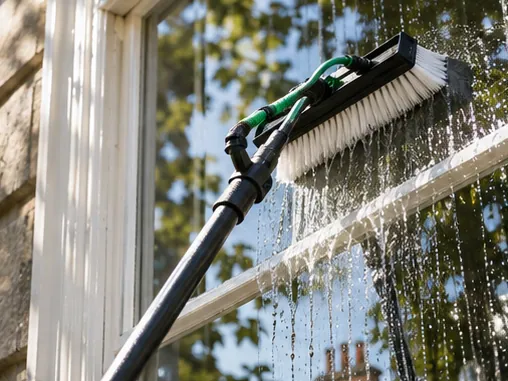
For exterior glazing or other outside work, describe position, height and owner permission. Confirm whether an authorised route for equipment exists and discuss it independently from reachable interior panes. A fabric chair or floor may need separate treatment and time before use, so give the material and timing when asking.
If a large item is due to be removed, identify its ownership and departure route. Agree the collection before the affected rooms are being prepared for review where possible. Tell the office if the collection team uses the same path or door and how any overlap will be managed.
Window cleaning
Identify reachable glazing and agree a separate price for exterior access.
Carpet and upholstery
Describe the textile and leave drying time before the inspection.
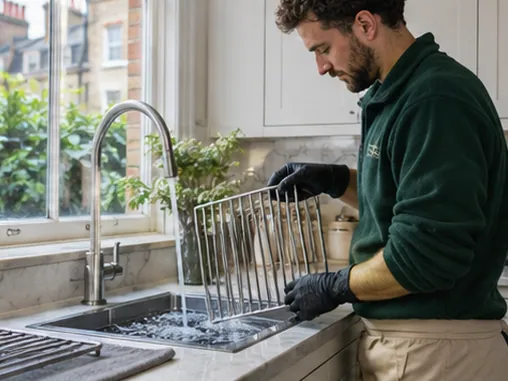
Oven cleaning
List the cavities, removable racks and separate grill when asking about appliance work.
Give the office a clear property specification and handover deadline
Provide full address, bedroom and washroom counts, furnishing, floor levels and available route. List agreed storage, kitchen interiors and any requested specialist treatment or separate visit. Describe what will still be there and the condition after the last removal. Include the review and latest return so the office can consider the practical work window.
Use the local preview to check postcode format and prepare the property details and options. Confirm precise address coverage, available times and the price with the office. Ask whether additional work will change the order or require separate access.
Information for your quote
- Oven care
- Fabric care
- Outside glazing
Prepare independently assessed work
| Extra | Information needed | Timing |
|---|---|---|
| Oven care | Cavities, loose parts and condition | Allow preparation and cooling |
| Fabric care | Material, surface and future use | Allow advised drying |
| Outside glazing | Reach, approval and glass position | Separate access check |
Questions before booking in Hampton Wick
Does a Hampton Wick address near the bridge need another arrival instruction?
Give the full property address and residential doorway first. Add the approved route and any landmark that genuinely helps.
Can I hand over just the private key if the property has a shared stair door?
Explain how the cleaner and reviewer can open the shared door too. Confirm what the property contact needs to release.
What if a small fridge is part of the inventory but the kitchen is already empty?
Identify where it sits and which interior parts should be considered. Confirm it has been cleared and prepared safely.
Can the cleaner assess both faces of a large inside pane?
Tell the office which faces are reachable and the material, and report any failing opening mechanism separately.
How do I arrange a sofa collection without delaying the review?
Set its removal before the affected areas need cleaning where practical, and confirm ownership and route before booking.
Who holds the last keys while a separate floor treatment dries?
Agree the advised return-to-use time and name a person who can give access for inspection afterwards.
Ready to discuss the visit?
Have the complete postcode and key return time available when you call.
Arrange your Hampton Wick checkout clean
End of Tenancy Cleaning Prices in Hampton Wick
Tell us the number of bedrooms and bathrooms, and which extras you need for handover.
Get a Quote