 Housekeeper
TW12 · Rental handover
End of Tenancy Cleaning in Hampton
Set the arrival around the last removal and the availability of the keys. Tell us which rooms the agent needs to review, including utility spaces and fitted cupboards.
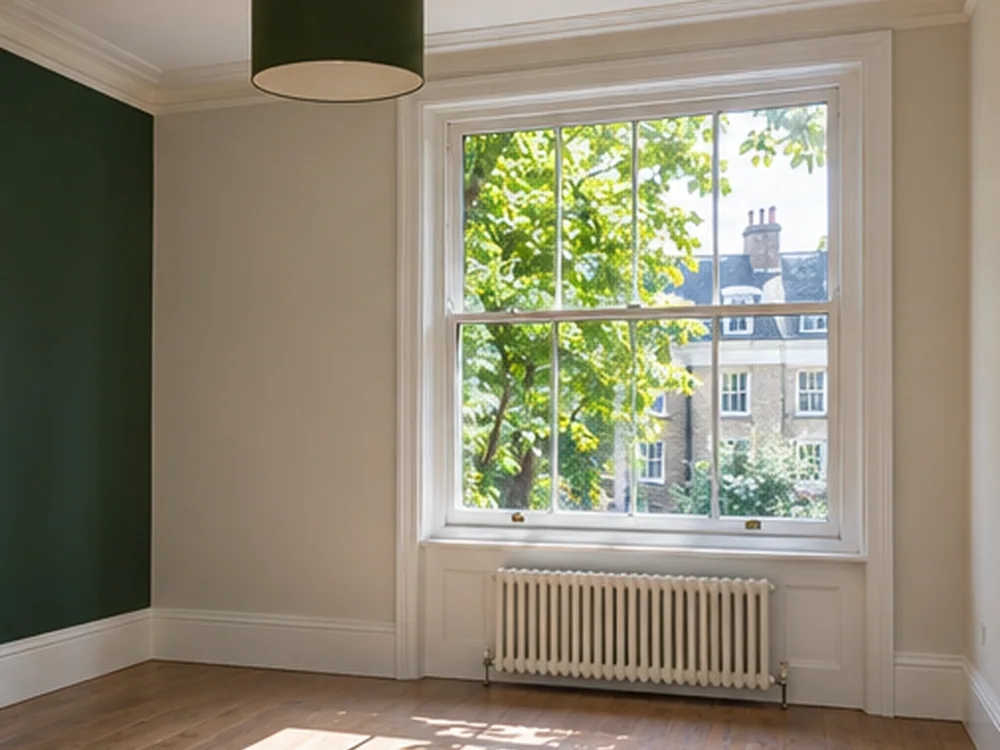
Keep the Hampton station reference distinct from the property address
National Rail lists Hampton (London) station as a transport reference for the area. If somebody is approaching from there, give the precise TW12 address and residential door alongside any landmark. State whether there is a front, side or private entrance and explain who can grant equipment access. A garden or garage door in the inventory can require a second arrangement from the one that unlocks your home.
Where a long path, gate or flight of steps affects equipment, give the actual approach separately from ordinary visitor directions. Confirm how long it is available and what happens after the inspection. If the moving firm intends to load from a different door, note that on the schedule and make clear when the agreed route becomes free. A person holding the outer key may need to stay within reach until equipment is out.
Address details
- Richmond upon Thames · Local authority
- TW12 · Main postcode districts
- National Rail lists Hampton (London) station · Local reference
Coordinate the property, gate and any separate store keys
Tell the office who can release access and how equipment enters and exits. If more than one person holds a key, give the door and available times for each. Confirm the agent’s review time and the final destination of each key set. Pass confidential entry or security details in the agreed private channel. Ask who can answer if an agreed room or route is locked unexpectedly.
- Identify the main, side and other authorised entrances.
- Give the review time and latest return separately.
- Confirm who will secure the property and any gate once the work is checked.
Where a person is due to collect something from a utility space or outbuilding after the rest of the move, make sure they know what lock-up steps apply. Tell the agent if two sets must return at different times and how to account for the one still in use.
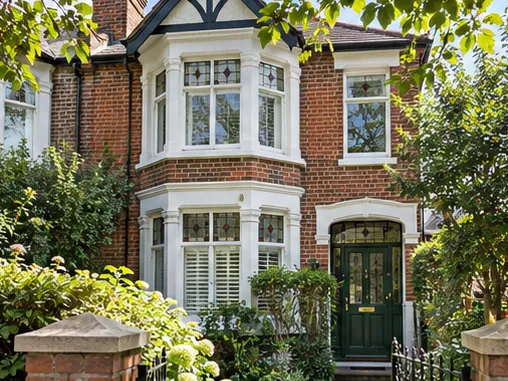
Keep the route and keys usable
| Stage | What to establish | Who can confirm |
|---|---|---|
| Arrival | Actual property door, gate and approved path | Property contact |
| Work | Rooms, utilities and available access | Authorised key holder |
| Inspection and exit | Equipment route, keys and security | Agent or landlord representative |
Use a room route that protects the last interior checks
List inside glass and sills, storage and floors room by room. Give safe reach for tall, fixed or partly obstructed panes, and leave a damaged catch secure. Record the floor material and any surface treatment already applied. Where landlord furniture remains, give the positions and estimated reach around it. For private stairs or any additional storey, include the time people still need to use the route.
If an agreed carpet needs treatment, decide when people can walk over it after the visit. Give material, condition and previous treatments where known. Ask whether specialist floor care needs separate assessment and when a treated route can safely reopen. An inventory appointment should have the information before it is set.
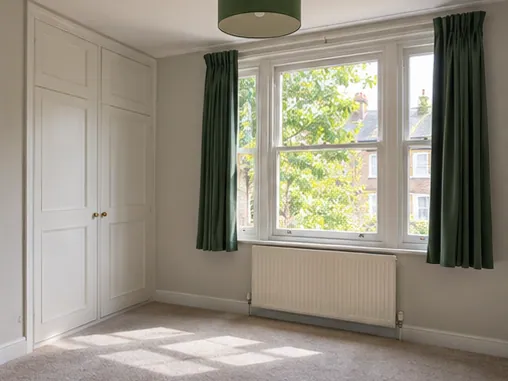
Set out the utility, storage and inside room preparation
Make a list after the last large items have moved. The area beneath a cupboard or around an appliance may only become visible when it is empty. Record existing marks with a photo and identify any fitted interiors the agent is expecting to inspect. Clear personal items from agreed spaces and keep owner accessories, key sets and property instructions easy to find. Divide remaining large pieces between owner furniture and items awaiting a separate collection.
- Keep electricity, lighting and water available through the review.
- Confirm which utility or other fitted spaces have been cleared.
- Report any damage or access change before the work list is fixed.
If a store is reached outside, check who can open it and whether it is part of the agreed appointment. A small closet closed on the owner’s instructions should be treated as unavailable until an authorised person says otherwise. Tell the office which rooms can be reached first if different spaces become vacant at different times.
Put the working appliances and loose parts on separate lines
Check the number of oven cavities and any standalone grill or warming compartment. Describe the racks, trays and other pieces supplied with the tenancy. If an agreed interior belongs to a fridge or freezer in a utility room, list it by location. Clear ordinary food and your accessories from all agreed parts. Arrange safe preparation for refrigeration and let the cooker cool before agreed interior work.
Provide material information for counters, cabinet fronts and the area around the cooker. If a hinge or control is loose, explain before the appointment and report the condition separately. For substantial residue or multiple cooking cavities, discuss separate oven cleaning. Give the exact appliance position and confirm what can be approached without moving fixed parts.
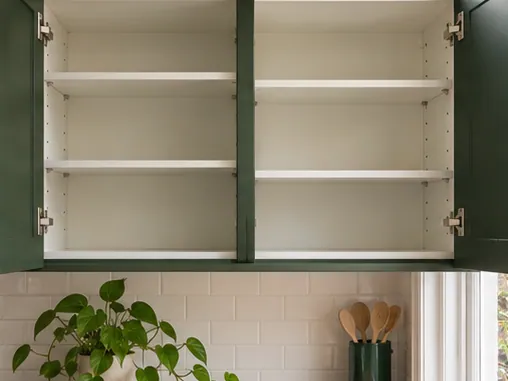
Give the number and layout of the bath, shower and separate WC
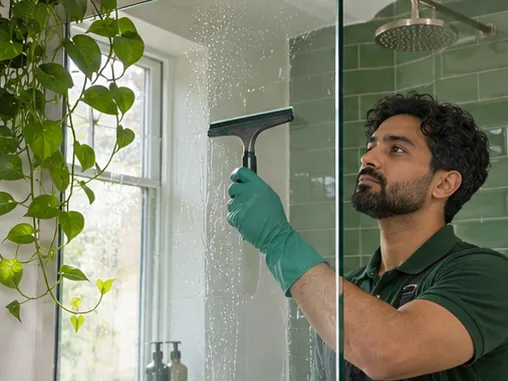
Identify every washroom by position and the fittings the inventory expects to check. Describe reachable glass, tile and basin edges and name the known material or owner care guidance. Keep a note of a damaged seal, tile or fitting independent of visible scale or water marks. Remove toiletries, cleaning supplies and other personal things from the agreed surfaces.
- State which finish or coating will affect a cleaning decision.
- Identify both sides of glass if they can be reached safely.
- Record and photograph any existing leak, crack or loose part.
If a recent repair affects the room, ask when surrounding surfaces become available. Clarify whether a window, mirror cabinet or other fitting must stay closed. Clear an approved interior only after the owner items and instructions have been confirmed.
Prepare the overlooked utility and room details
| Area | Describe in the enquiry | Prepare in advance |
|---|---|---|
| Kitchen | Cooking cavities and agreed cupboard interiors | Empty personal contents and identify owner accessories |
| Utility | Additional fridge or fitted storage | Clear approved interiors and provide appliance details |
| Main rooms | Inside windows, floor and retained pieces | Expose agreed areas and record older marks |
Set separate jobs ahead of final room availability
An outside pane needs its own information on location, safe reach and permission. Identify what can be reached from inside first and ask about separate exterior window cleaning if required. For retained fabric furnishings, give the fibre and care instructions and confirm the timing if additional work is agreed.
Arrange owner approval, exit route and a collection time for bulky remaining possessions. It is easier to organise a checkout when the affected rooms are cleared before the review. Tell the office if a second visit or trade uses the entrance after the main work has begun.

Window cleaning
Identify reachable glazing and agree a separate price for exterior access.
Carpet and upholstery
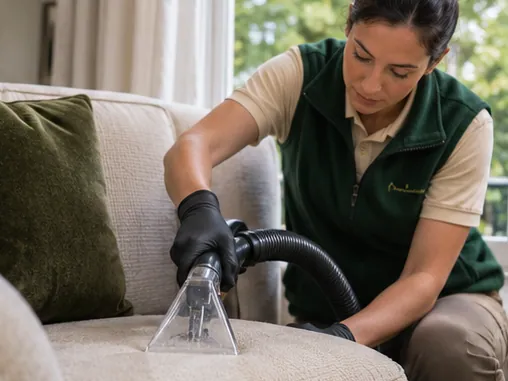
Describe the textile and leave drying time before the inspection.
Oven cleaning
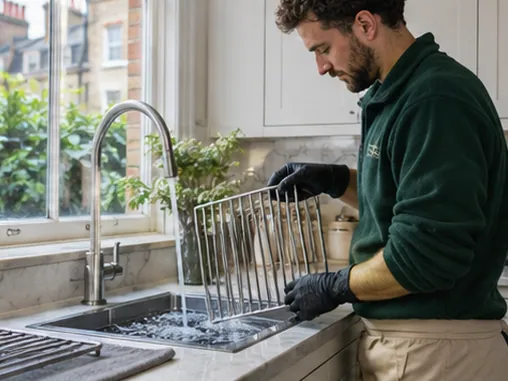
List the cavities, removable racks and separate grill when asking about appliance work.
Provide the room lists, appliance details and useable appointment window
Give the full postcode, bedrooms and bathrooms, private levels, retained furnishings and the current condition of the agreed spaces. List any fitted interiors, separate utility appliances and specific surface or fabric work. Include the earliest entrance after removals and the actual review and return limits. A quote can then reflect what is physically available.
The local preview checks postcode formatting and helps combine property options and requested work. The office can confirm current address coverage, time and price. Ask for agreed jobs and separate assessments to be shown independently if that will help you plan the checkout.
Information for your quote
- Exterior glazing
- Fabric treatment
- Bulky removal
Specialist work at handover
| Extra service | Information for the office | Timing consideration |
|---|---|---|
| Exterior glazing | Position and permission for the route | Separate access assessment |
| Fabric treatment | Material, area and intended next use | Allow advised drying |
| Bulky removal | Items, ownership and permitted exit | Clear affected rooms first |
Questions before booking in Hampton
Is Hampton station enough direction for a TW12 clean?
Give the complete property address and actual door. Include a station reference only if it helps locate the approved approach.
What if the rear gate and utility door have different keys?
Match each key with its door and name a person who can release both. Give separate return steps if necessary.
Can the agent inspect an appliance in a separate utility space?
Give its place on the inventory, the access route and the interior parts you want discussed. Clear it as agreed before work.
Should I report a worn finish under a dresser?
Do so when furniture is removed, with a photo and material details if available. Ask what can reasonably be cleaned and keep an independent condition note.
Can outside window work go ahead with the inside job?
Discuss its position, reach and approval separately. Ask the office which visits and times are appropriate.
What if someone collecting a bulky item needs the house key for longer?
Give the expected timing and authorised person. Agree how work, inspection and final lock-up can still take place.
Ready to discuss the visit?
Have the complete postcode and key return time available when you call.
Arrange your Hampton checkout clean
End of Tenancy Cleaning Prices in Hampton
Tell us the number of bedrooms and bathrooms, and which extras you need for handover.
Get a Quote