 Housekeeper
Mould Removal in Lewisham
We organise a Lewisham mould removal visit around the visible areas, the material involved and who can provide access. We assess the reachable finishes and confirm which surfaces can be cleaned. Once we have prepared the agreed working position, we physically remove visible mould from suitable accessible hard surfaces and explain the result and limits at handover.
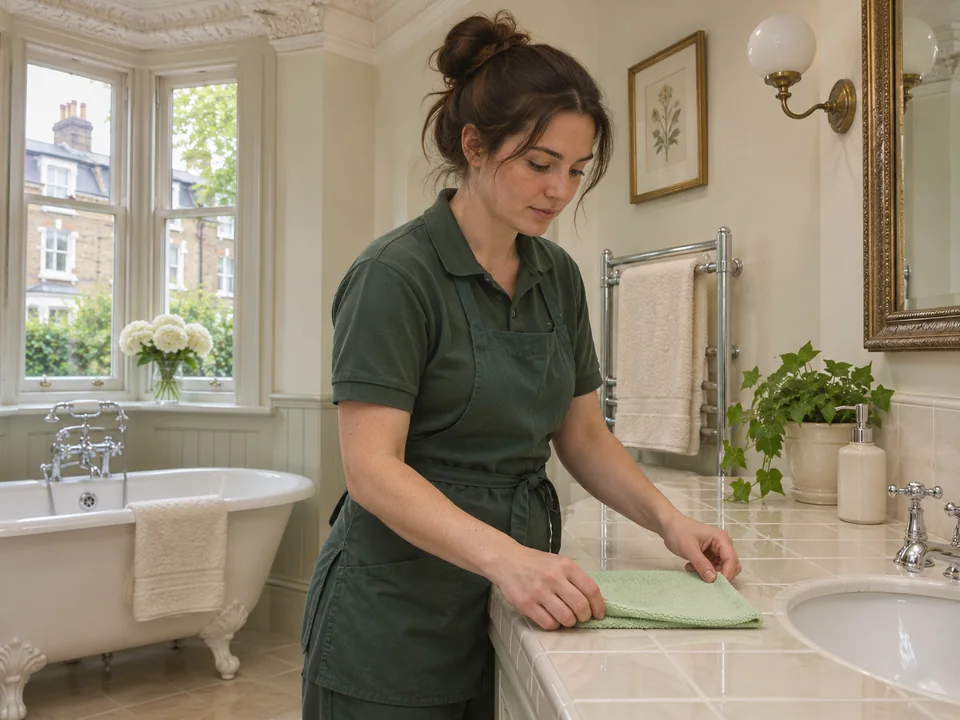
What do I need for a visit to a managed SE13 flat?
Give the full postcode and say who can admit us to the building and the flat.
Can you consider an area beside a fitted panel?
We assess the visible finish and check what can be reached before we agree cleaning.
Set the arrangements for arrival and access at the same time
Lewisham Council identifies the town centre around the station and Loampit Vale separately from the commercial stretch along Lewisham High Street, including parts of Lewis Grove and Molesworth Street. Tell us the full address and which door serves the property. If the building can be reached from one street but entry takes place on another, describe the visitor route. If someone will meet us in a lobby, say which entrance leads there and how the person will identify the arrival.
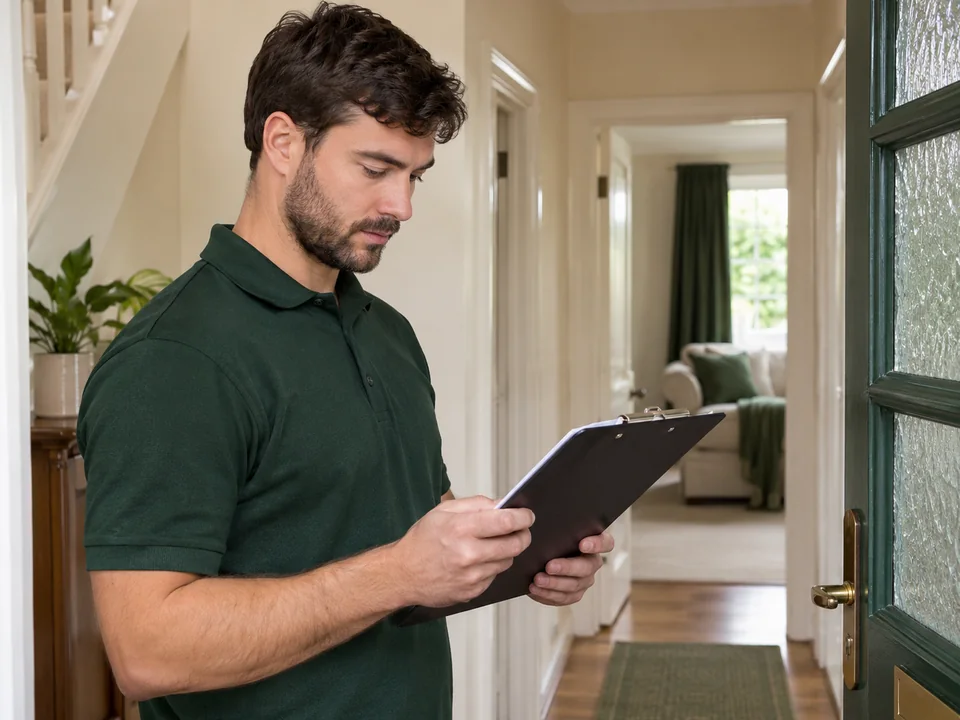
We check the route after the lobby or building door. A lift may serve the relevant floor, but an additional door or change of level might still sit between the lift and the room. Explain which keyholder controls the relevant position. If someone has to be present to open both the common part and the flat, agree times with both contacts. We ask how the room can be reached as well as how to enter the building.
When the report is received from a manager or agent, give us the room label used by the occupier and a reference point the visitor can recognise. We use the same labels in the proposed work and the review. If a different individual will confirm our access on the day, give them those details. This is useful when more than one room resembles the location described in the original photographs.
- We note the exact arrival door and how to reach it.
- We confirm who has access to the building and the affected room.
- We agree how the relevant surface will be identified.
| Access point | What we need to confirm |
|---|---|
| Arrival | Building name or number, full postcode and practical entrance |
| Communal route | Any reception, lift or additional locked door |
| Room | Floor and person who can show the affected surface |
| Approval | Who can make a decision if conditions differ from the enquiry |
Gather the affected room details and check the visible extent
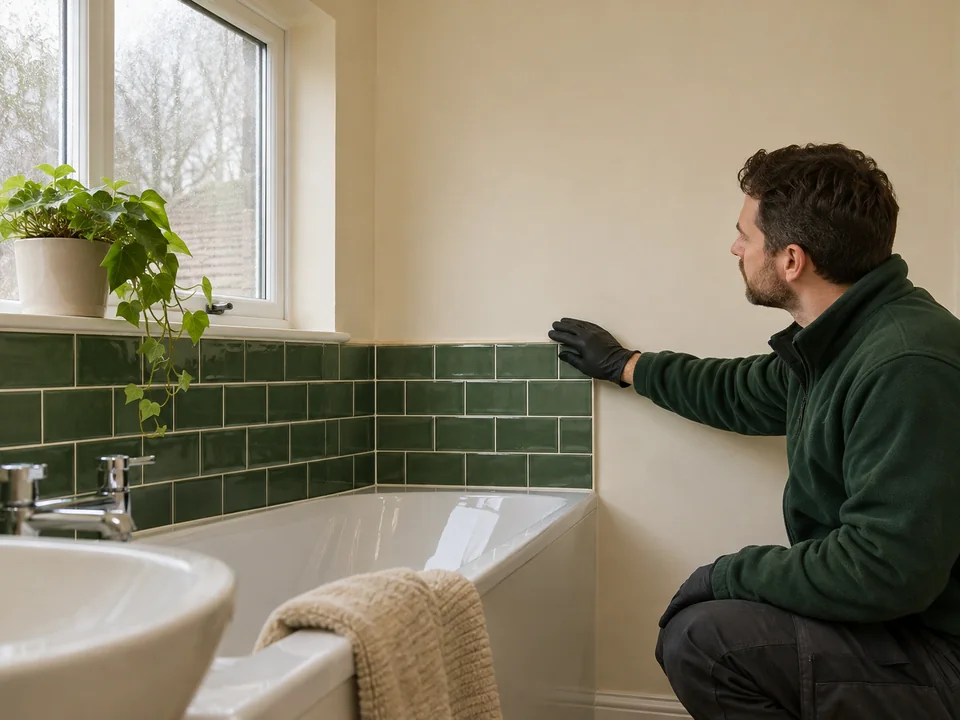
We ask which rooms are affected and where the visible marks sit. Describe each surface in relation to a fitting or opening and give an approximate visible size. If several areas in one room are involved, describe them separately. We use the location and finish to discuss whether the area needs to be seen before agreeing cleaning. If the marks extend behind a fixed item, say which part can already be viewed without moving anything.
A photograph from a normal position can show where an affected area is in the room. Take a closer image only if you can do so safely. If the room is only partly accessible, describe what is visible rather than trying to move or reach past a fixed item to get a better picture. Where the finish looks changed, tell us whether you know the material and when you first noticed the condition.
If there is a current concern about water or a previous repair, give what information is confirmed. We keep the repair timeline separate from the visible description and consider it when discussing assessment. If an earlier picture was taken before a repair, include its date and describe what can now be seen. We may need to discuss whether another person responsible for the property should consider the remaining question.
- We record each surface and its visible extent.
- We use room details to discuss what can be assessed.
- We note any repair history separately from the current condition.
Assess the affected areas and agree which can be cleaned
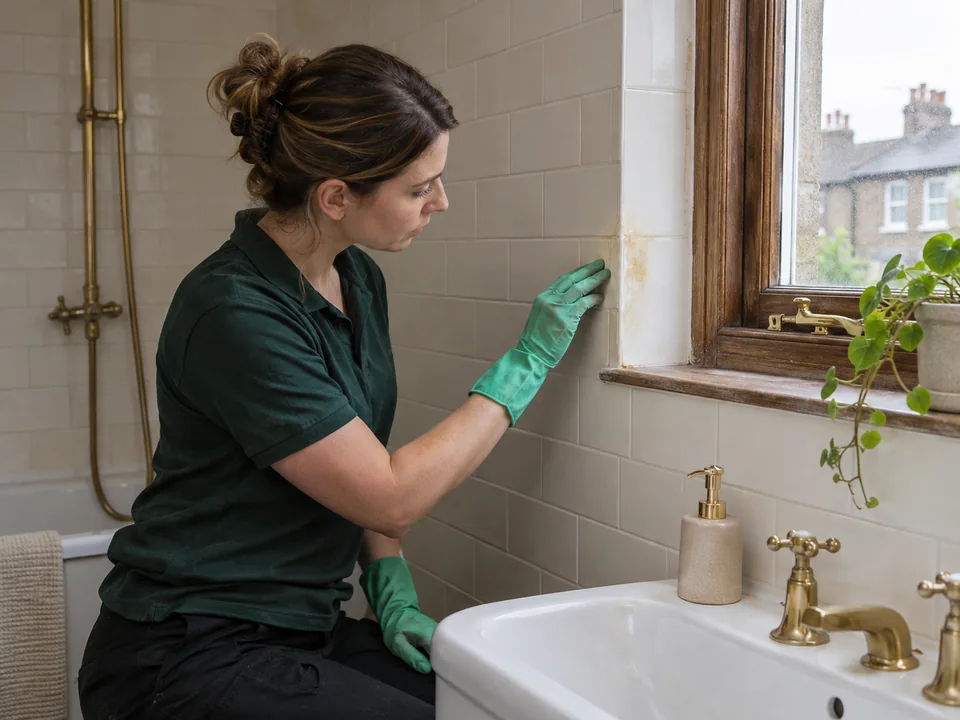
When we assess the surface, we check its accessible extent and condition. We distinguish a suitable hard finish from a different adjoining material, especially if there is an edge that looks loose or changed. We identify which parts can reasonably be included for physical removal and explain which ones need another decision. If the surface appears different from the original enquiry, we discuss what the change means before beginning work.
For a ceiling or high area, we check how the relevant part can be viewed and reached. A person can see a mark from a doorway or stair without there being a usable working position under it. We evaluate the accessible area and say if an alternative arrangement has to be considered. Where the marks continue behind a fitting, we assess the visible edge and explain which other access or property decision is needed.
We confirm the limits of the quote with the person who can approve work. We distinguish between a visit for assessment and an arrangement to clean the identified surfaces. If a new area is visible at the time of the visit, we check its condition and reach before considering it independently. The proposal stays linked to the actual materials and positions that we have discussed.
| Visible condition | What we assess | Next step |
|---|---|---|
| Accessible sound hard face | Extent and where adjoining material changes | Agree the particular surface for cleaning |
| Loose or changed cover | Visible condition and relationship to a hard finish | Discuss whether separate assessment is needed |
| High area or obstructed wall | Working position and access to the finish | Confirm which areas can be reached and included |
| Possible issue beyond visible surface | Available information and extent of what was seen | Identify the property contact for any further assessment |
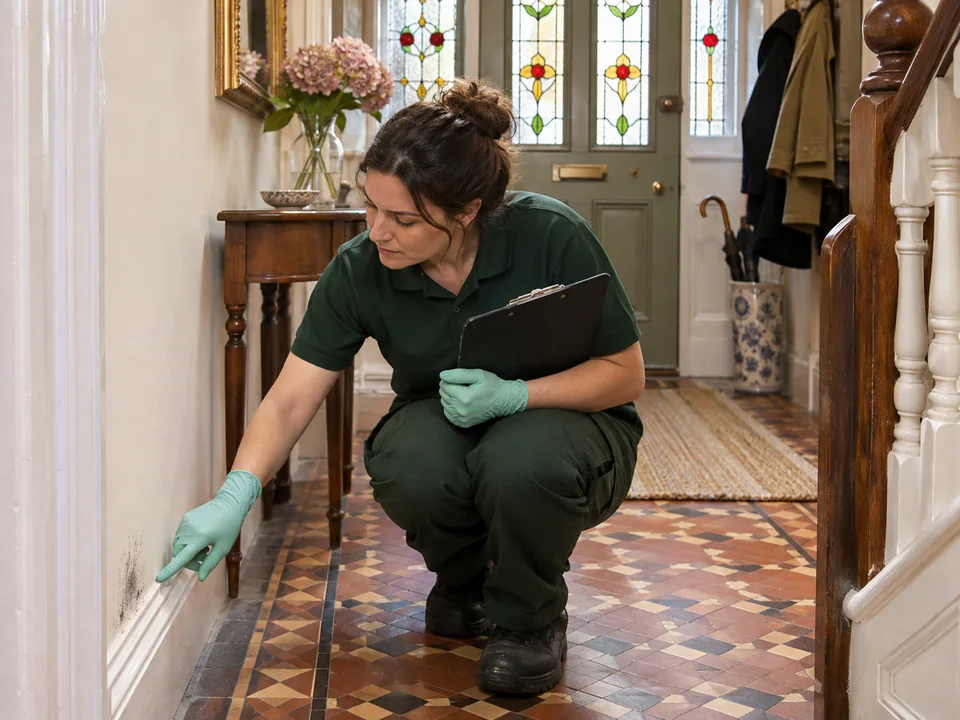
Prepare the working area and remove visible mould
After we confirm the suitable hard surfaces, we prepare the immediate working area around them. We check how to enter the room, what needs to be kept accessible for the work and which items can stay where they are. If a resident needs to use an adjoining route, we discuss the timing first. We make clear which area is included and how we will work around a second finish or fitting nearby.
We physically remove visible mould from suitable accessible hard surfaces included in the agreed visit. We review the boundary around different finishes where the affected area crosses a join, and check the result on each surface afterwards. When a new issue comes to light or a position cannot be reached, we identify it and explain what would need to be discussed before we can add it. The customer or authorised contact can then make that decision with a clear location and material in view.
If other work is to be done at the residence, give the separate room or item list and its timing. For instance, a household may need a regular visit once the room is available for routine cleaning again. We keep the agreed mould removal area clear and discuss how it affects access and timing for the other request without merging the work descriptions.
- We prepare around the confirmed working position.
- We physically remove visible mould on the suitable hard faces agreed.
- We check the finished area against the work included.
Review the room with the customer and the responsible contact
At handover we identify the accessible areas cleaned and any part that still requires another assessment. Tell us who needs to receive the outcome if the person opening the flat is different from the one arranging work. We use the same room labels and surface locations used when quoting. Give the building contact the relevant details if a question about a separate finish or moisture remains for them to consider.
If the property is being prepared for a new resident, we check who will keep the room information afterwards. It can help to retain the original observations, known repair dates and the description of the work completed. If the conditions change, we can discuss any new visible marks by reference to that record and distinguish them from an area cleaned earlier. This gives everyone a clear point of reference for further arrangements.
Use the booking page to collect the address, room, visible finish and any timing restrictions before contacting us. If another appointment depends on the room becoming available, tell us who is arranging it and what has been confirmed. We discuss which areas can be considered and who should approve anything beyond the original request.
| Handover item | What we confirm |
|---|---|
| Agreed areas cleaned | The actual positions and finishes included |
| Limits | Any material or reach issue that prevented inclusion |
| Separate follow-up | Which area and contact the next decision concerns |
| Timing and other visits | What needs to be arranged for a different enquiry |
What we review when access differs on the day
If an additional room becomes accessible, we check with the customer or authorised contact before including it. We update the position we can consider and distinguish it from the room already included. A visit planned for one finish can proceed with clarity even when another surface is newly visible. We confirm the situation before preparing and use the final room list when explaining the result.
If access to the affected room depends on building staff, we discuss which route they can make available and whether they will have to be called on arrival. A flat may have one route for visitors and another route for residence or servicing. Give the instructions for the route we have authority to use rather than assuming someone can redirect us on the day. We go over these details with whoever can open the property before working out what can be seen or reached.
We also check whether the room or finish has changed before the agreed visit. If the original mark is still visible but another material is now showing changes as well, tell us where the two meet. We review the accessible face and consider what can be included. If the new section has to be seen by another property professional, we explain the distinction and retain the same room description for handover. That helps the person who receives the outcome locate the relevant area rather than reading a general note about the property.
If the resident is about to move out, clarify which person can obtain access after the keys have changed hands. An agent who has the keys may still need to agree the date with the person who manages communal entry. We discuss those responsibilities before confirming a later visit. Keep the agreed work description and room locations with the key information so the next person can identify the affected surfaces.
Any change to the agreed work goes through the authorised contact before we include the different surface.
We keep the access and room descriptions together so the next person can identify the surface without relying on assumptions about the layout.
Questions about arranging mould removal
How do you arrange arrival if the entrance is on another side of a Lewisham town-centre building?
Give the full address and explain which door visitors should use. Tell us whether reception or another contact opens the route.
Can work go ahead when the concierge can open the entrance but the occupier is unavailable?
We check whose permission and access are available for the room itself. A common entrance arrangement is considered separately from entry to the affected flat.
Do you include the surface beside a fitting if only the end of the wall is visible?
We assess the reachable end and agree any suitable area of hard finish. The section behind a fitting requires separate access and assessment.
What if I have two sets of photographs taken before and after a repair?
Label the dates and affected positions. We can use them to understand the history while assessing the current visible finish.
Who should receive the handover when a keyholder meets you on behalf of the agent?
Tell us who needs the outcome and whether the keyholder can review the room with us. We identify the work and anything the agent needs to consider.
Can I arrange a separate housekeeping appointment for other rooms?
Yes. Give the separate tasks and rooms and explain any timing or access dependencies affecting either visit.