 Housekeeper
Mould Removal in Beckenham
We consider what can be seen from the affected room when you enquire about mould removal in Beckenham. If a separate space above the ceiling or behind the wall is still under review, we identify that boundary before agreeing treatment on the suitable exposed finish.
Plan your enquiry
Which address details help around Beckenham Road?
Give the complete BR3 postcode and your doorway and floor. Add the person who can show the room.
Can you assess a ceiling when the space above is locked?
We discuss the visible ceiling separately and record the access still needed above it.
Decide what the first inspection needs to establish
When the enquiry involves a visible mark at the top of a wall, we first establish what lies within the room and what would need a separate investigation. Tell us where the mark starts, which exposed finishes are involved and how far it extends. If there are other areas on the same level, describe them separately rather than giving a general size for the property. We ask whether an earlier inspection took place and what parts it actually covered. That gives us an appointment purpose based on the present condition and available access.
A description that includes a wide photograph and a closer view of the finish is useful where the room can be photographed from a safe position. Give both images the same room name and identify the permanent feature nearest the affected position. If a higher location can only be seen from the floor, explain the height and what lies beneath it instead of trying to reach it. We use the available information to discuss a practical assessment and identify any separate arrangements that would be needed to look elsewhere.
We also ask which decision is outstanding. A homeowner might want to know if an exposed hard finish can be treated. A property manager might first need a record of what is visible to decide which other person should inspect a separate area. Tell us what applies so we can discuss the useful next step and the information the visitor will need.
- Give the room, affected finish and where the mark starts.
- Say who can show the visible position and the area above.
- Keep earlier findings separate from the current description.
Identify the Beckenham address and route to the room
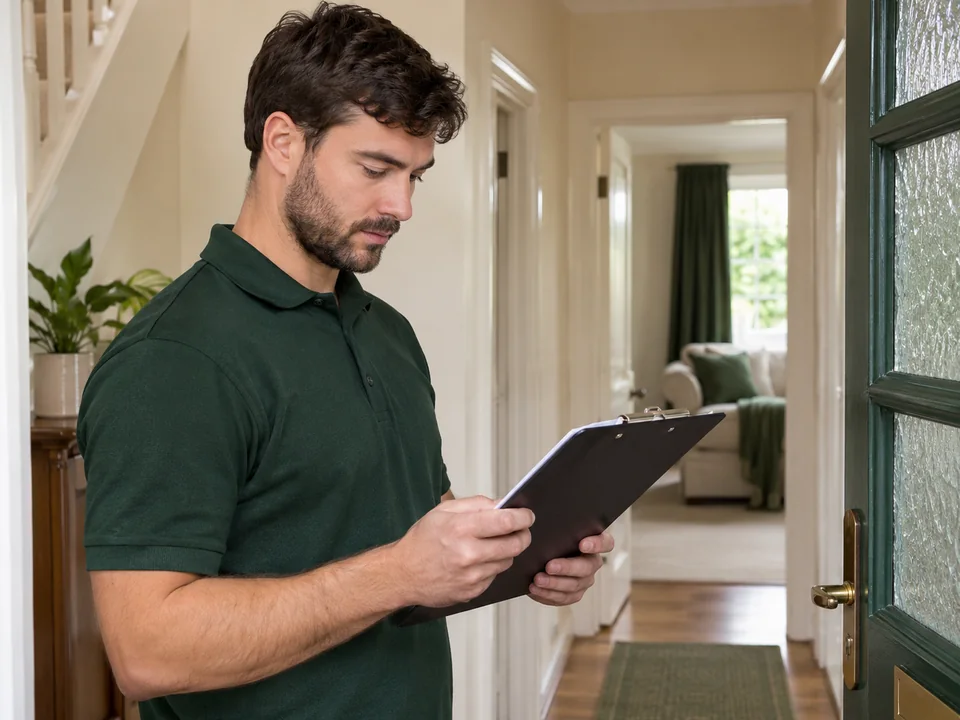
Bromley Council lists Beckenham Library on Beckenham Road in BR3. If your property is nearby, give the full street address, postcode and particular entrance rather than using the library or another landmark in place of the property details. Tell us whether the affected room is reached from the main door, a separate stair or a route beside the building. Where a visitor needs to wait for someone to open a shared lobby, name the person and explain what access they control. Inside the home, give the floor and room position so the route does not have to be worked out from the photo.
If the keys will be collected elsewhere, confirm the collection and return arrangements before agreeing a time. Say whether they open the room, the main door or both. A person who controls entry to the dwelling may not be able to provide access to an adjoining area. If you have also raised an area beyond the dwelling, identify the relevant building contact and the permission they can provide. We use the practical details to agree a visit for the part of the property that can actually be reached.
| Arrival stage | What we ask for | Why it is useful |
|---|---|---|
| Find the property | Full BR3 address, entrance and unit number | Identify the correct dwelling |
| Reach the affected room | Floor, approach and access restrictions | Assess the finishes that can be shown |
| Access to another space | Contact, permission and separate route | Keep unconfirmed areas outside the appointment |
Assess each visible face at the ceiling junction
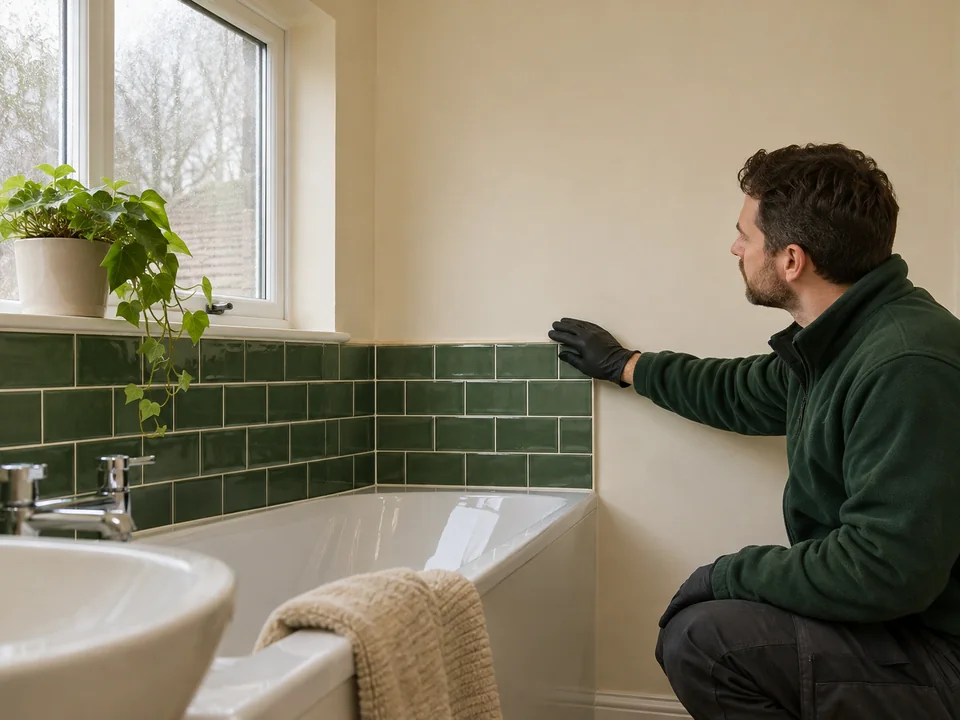
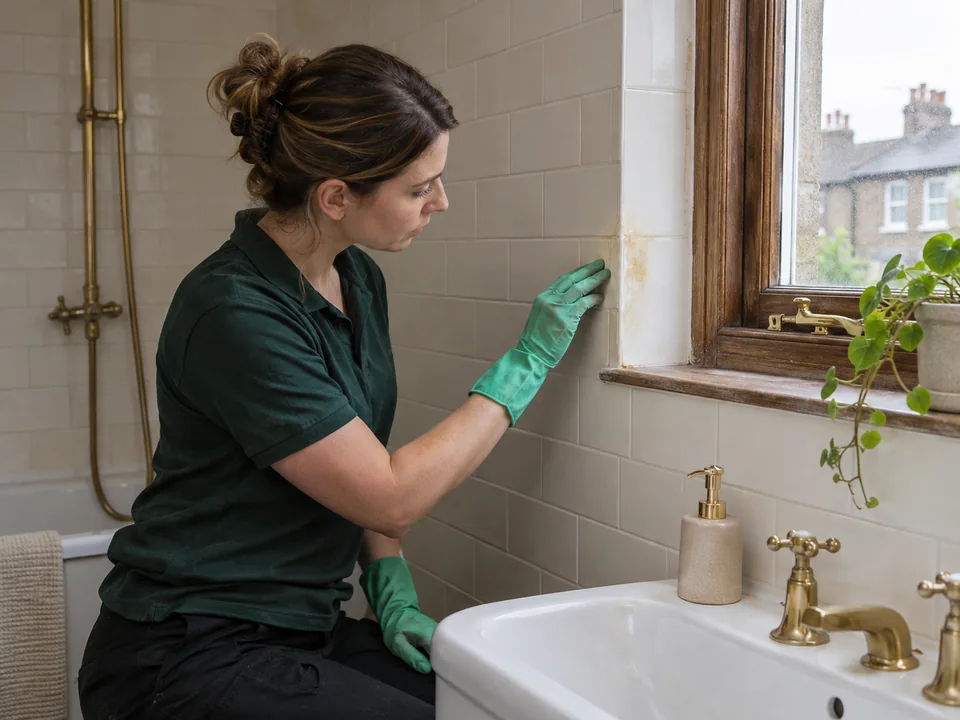
We look at which finish is visible and where the mark reaches the next material. If it crosses from the wall to the ceiling, describe the material and accessible extent on each. Tell us if one face has started to peel, if a lining conceals its edge or if a fixed feature makes the border difficult to see. A wider image can identify the position even where the mark disappears beyond the open part of the room. We establish what can be considered under a surface assessment and which area should be recorded as concealed.
Where another person is due to inspect a room, loft or void above it, tell us what space that visit covers and when it is expected. A visible mark and a building report can relate to the same position, but one does not substitute for the other. We can discuss a suitable exposed hard surface without assuming the condition of a hidden area. If the property work has already changed the finish, give the date and the visible boundary. We review the present surface and identify any separate material decision before agreeing treatment.
If an upstairs occupant has already reported a separate issue, state which room or fitting their report concerns and which part you are able to show from the affected room. That can help us decide what belongs in the visible assessment and what remains with the responsible person. A ceiling face can be considered from below without assuming the floor above forms part of the visit or that access to it has been granted.
| Visible position | What we assess | What needs a separate decision |
|---|---|---|
| Accessible ceiling face | Finish, condition and approach below | Any space above that remains unavailable |
| Upper wall beside the ceiling | Area and material on the exposed side | Transition to a damaged or porous lining |
| Part beyond a fixed feature | Visible boundary and access limit | Further access or property assessment if needed |
Agree preparation for higher or restricted areas
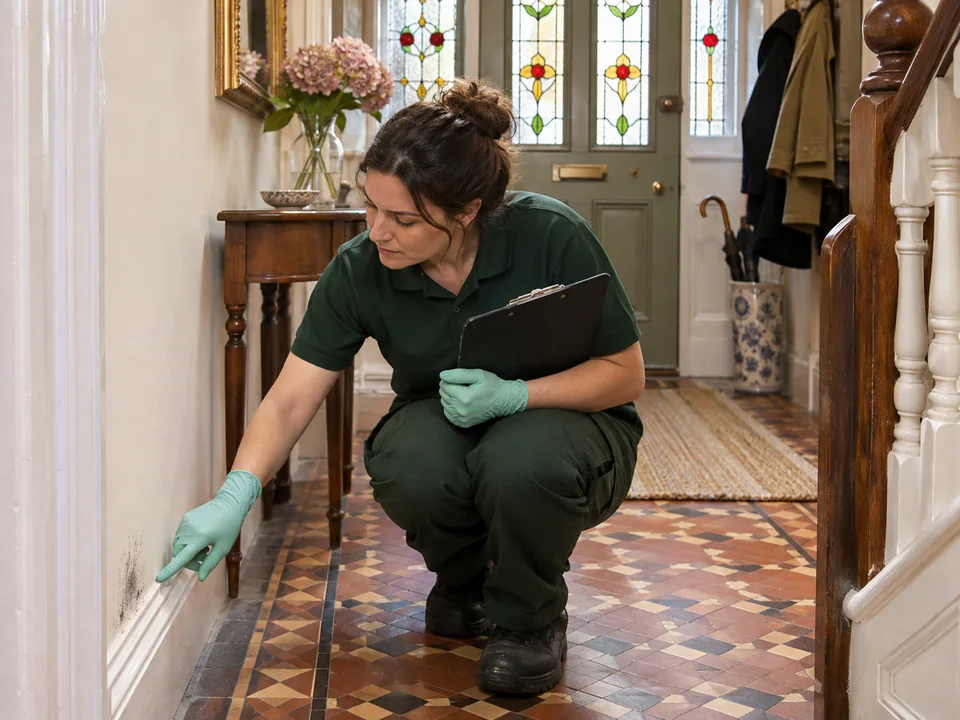
We discuss what is needed to approach the named surface. Tell us where the furniture or fixtures are and which parts must stay in place. If the highest affected point sits above a stair, bath or fixed cabinet, describe the floor and available route rather than assuming the position can be reached. We ask which person can agree preparation and whether another visit affects the arrangement. If a room is still in use, confirm when an assessment can consider the relevant material without relying on an area that will remain occupied.
If another visitor is due to open a separate area, say when and what part may be visible afterwards. We can discuss an existing exposed finish separately from any new access that is still being arranged. Let us know if the layout has changed since the original photos. We review how the person attending can reach the finish and whether the agreed preparation needs adjustment. If the planned access turns out to be unavailable, we can explain which part can still be considered and what needs another decision.
We can agree an appointment around the finishes a resident can actually make available. If there is an occupied room under the ceiling, explain which route and times can be used. If one position can only be approached after something is moved by someone else, tell us what has been agreed and who will confirm that it happened. We can then distinguish the present assessment from any later change to the room.
- Identify which route can actually be provided.
- Confirm which items must stay where they are.
- Describe any planned change to the finish or available access.
Carry out the agreed surface work and review it
We physically remove visible mould from suitable accessible hard surfaces included in the work. Before starting we confirm the materials, named positions and preparation discussed. If another finish is exposed or appears damaged, we check whether it was assessed and agreed rather than extending the work automatically. A mark at a ceiling junction can involve distinct surfaces, so we identify the edge of the agreed treatment in practical terms. The work stays within the surfaces we can reach safely and have considered suitable.
At the final review we explain which accessible finishes were cleaned and discuss aftercare for those areas. We identify positions still awaiting access or a separate material or property decision. If another person will assess a room or void above the treated finish, the handover can name the position below it and the finish that was covered. That information is more useful than a general statement about the room. Keep the visible work record separate from decisions relating to a concealed space.
The review also records whether both faces of the junction were suitable under the agreed work. If a surface on one side was not accessible, we identify its location alongside the part that was cleaned. Where a building professional will attend later, pass on the names of the rooms and which area was visible from below while leaving any separate property question with that person. It helps to give us a named contact for that handover before the appointment.
| Visit stage | What we do | Record to retain |
|---|---|---|
| Before cleaning | Confirm the hard finish and the accessible extent | Agreed rooms and preparation |
| Cleaning | Physically remove visible mould from suitable hard surfaces agreed | Positions cleaned and any limits |
| Review | Check the result and discuss aftercare or follow-up | Areas excluded and the responsible contact |
Discuss the quote and give someone responsibility for any next step
We consider the proposed access, named finishes and condition when discussing a quote. Ask what assessment is included and which surface work is proposed after that assessment. If there is an unrelated repair, retain its estimated date and owner. We can discuss an accessible surface now without assuming the repair work is part of our agreement. If a property contact receives our findings on your behalf, confirm which information they need and whether they can authorise any further appointment.
End of tenancy cleaning and general housekeeping may be considered separately if you need them. Give their own room and task requirement and tell us what has to be available at the relevant time. We can discuss an appointment after the surface or property issue has been considered, without treating it as the same service. If a new concern appears while other work is ongoing, describe how the finish or visible area has changed so we can discuss any effect on the proposed visit.
If a follow-up needs a photograph or report from someone else, establish who will obtain it. A record with the room and affected face identified can also help if an access arrangement needs to be made again. This makes it possible to compare the later appearance with the position that was actually reviewed or treated.
- Check that the quote states the surfaces and limits.
- Keep separate cleaning and property visits distinct.
- Tell us who receives the review and takes any further decision.
Questions about arranging mould removal
Do you need more than a BR3 postcode for the visit?
Yes. Supply the full address, entrance and room access. Add the relevant keyholder or building contact.
What if the wall and ceiling both show visible marks?
Name both faces, give their approximate sizes and explain which can be reached. We review their finishes independently.
Can I arrange an assessment while access above the ceiling is outstanding?
Tell us what can be seen from below and who controls access above. We discuss what the first assessment could establish.
What do you do after preparing the suitable hard finish?
We physically remove visible mould from the accessible areas agreed for work and review the treated positions afterwards.
How is a previously painted area recorded?
Give the approximate date and boundary of the painting and the location of the current marks so the two observations can be distinguished.
Who receives a note about a place outside the visit?
Agree which person can take responsibility for that area. At the handover we distinguish it from the surfaces assessed or treated.
Other Cleaning Services in Beckenham
Mould removal service in London, End of tenancy cleaning, Regular housekeeping enquiries