 Housekeeper
Mould Removal in Plaistow
We organise a Plaistow mould removal visit by identifying the visible areas, agreeing how they can be reached and reviewing the finishes before treatment. If part of the property is awaiting other work, we set that area apart from the surfaces we can assess now.
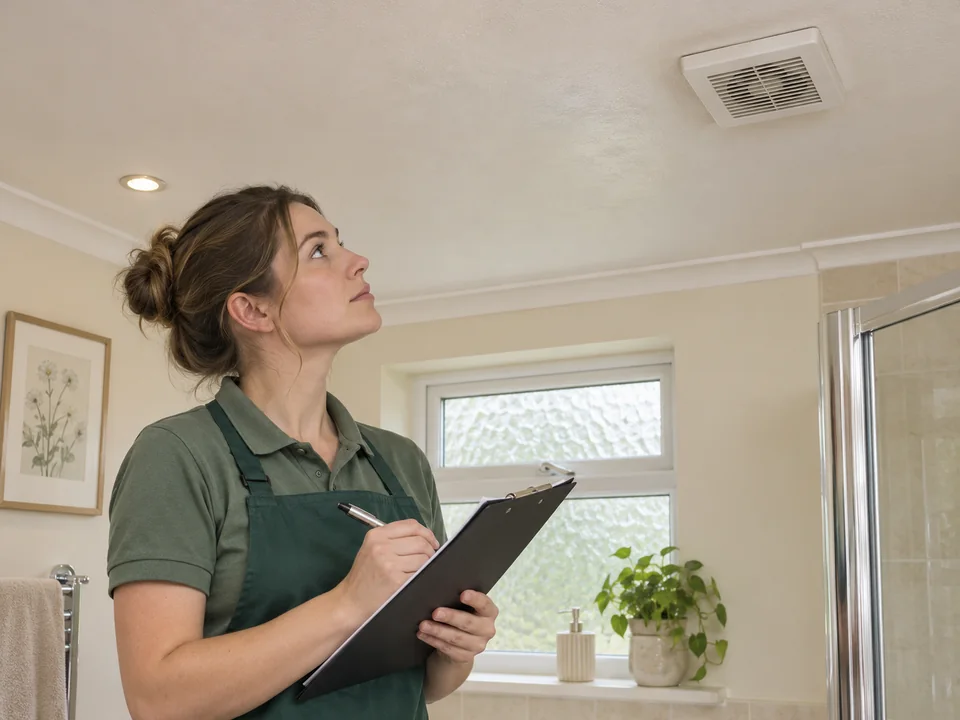
What details help near North Street in Plaistow?
Give the complete E13 postcode, dwelling number and entrance. Tell us which person can make the affected room available.
Can you assess a recently exposed wall?
We ask what was removed, when it happened and which finish can now be seen.
Establish what is ready for assessment now
We ask for the location of each visible mark, the approximate size and the finish beneath it. If a room is being cleared or worked on, tell us what is still in place today and which areas will actually be accessible at the proposed appointment. A wall face that was recently exposed can be described separately from a neighbouring area still behind a fitted item. We use that distinction to discuss which areas can be assessed now. Where a surface was viewed only before something was refitted, disclose that change before seeking a quote.
Give us the names of the rooms and the part of each wall, ceiling or hard fitting you want considered. If the area is no longer fully visible, mark the accessible edge on a wider photograph. We ask which positions you can safely show and which require the owner, manager or another trade to make a separate decision. An image can support the discussion but the proposed visit still needs a clear boundary. The people opening the room and receiving the outcome should know which surfaces are actually being considered.
When a date depends on a separate property appointment, explain what that visit is expected to do. We take the dates alongside the current room notes and discuss the order in which the surfaces can be seen. That lets us consider a first assessment without treating assumed access as confirmed.
- Name each room, finish and exposed extent.
- Identify whether other works changed the visible condition.
- Say who can make the required areas available.
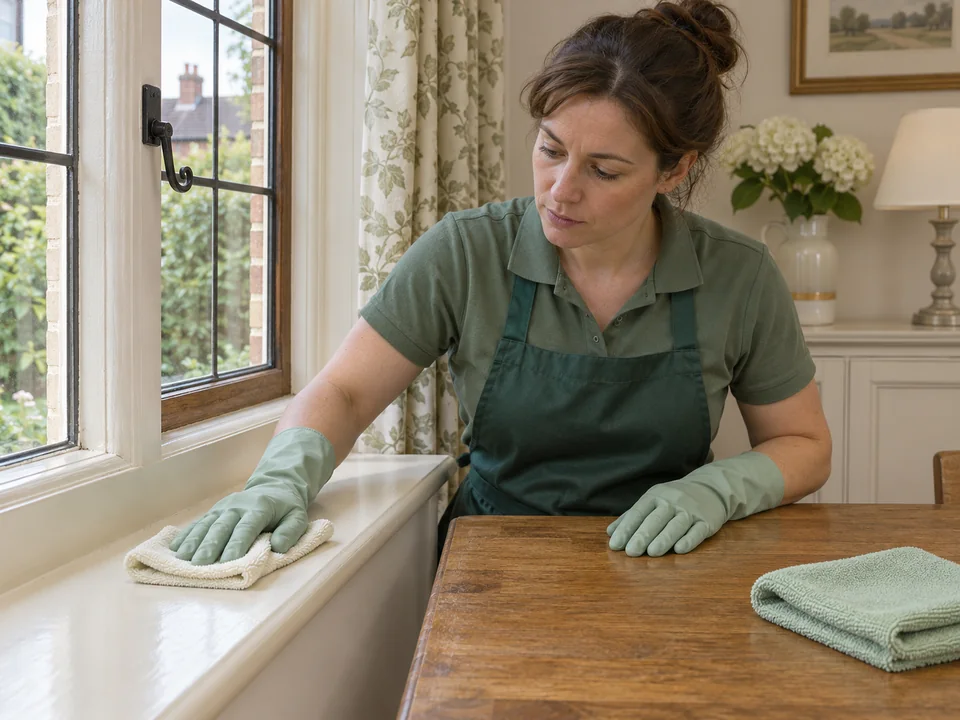
Confirm your entrance and room access in E13
Newham Council lists Plaistow Library on North Street in E13. If a property lies near that part of the area, give the actual address and doorway rather than arranging entry against a landmark alone. Tell us if the residential entrance is different from the main frontage and how we reach the room. For a flat, include the floor and which shared route can be used. For a house, let us know if the easiest approach is through a side path or if another room must be opened before the finish can be reached.
We also ask who will handle the key or meet the person attending. If a key must be collected separately, give the point of collection, the available time and how it will be returned. A room under discussion may depend on different access from the main building, especially if the occupier needs to be there to open it. We confirm the practical arrangement alongside the named finishes. If you expect the access to change before the appointment, let us know while dates are still being discussed.
| Access detail | What we ask you to confirm | Why it matters |
|---|---|---|
| Property | Full postcode, dwelling number and entrance | Identify the correct location |
| Room route | Floor, route and any shared areas needed | Confirm the approach to the affected finish |
| Key arrangement | Named person and collection or meeting place | Keep the proposed room available at the agreed time |
Review the surface before and after another job
We distinguish information about earlier work from the material that is currently exposed. A maintenance report can identify a previous leak, repair or decoration, but its surface description may no longer match the room. Tell us which location was considered and where the newly visible position lies. A close view can show the appearance of the exposed face, while a room picture helps orient it against the area named in any previous record. We use that information to discuss what can be assessed and whether anything still depends on a separate property decision.
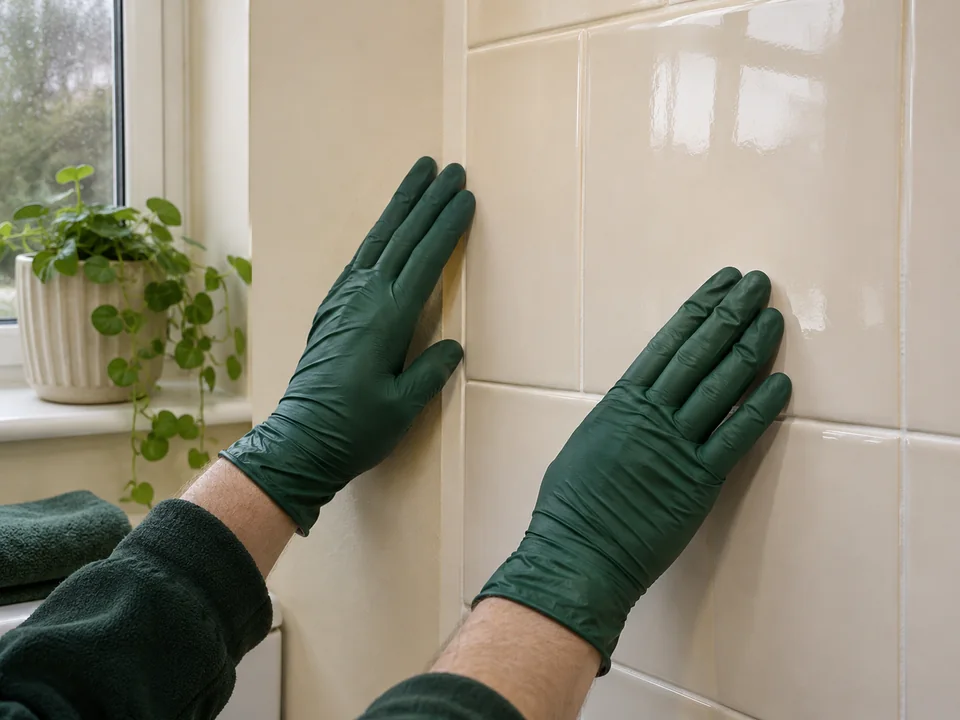
If one hard surface remains sound while a nearby lining is loose or damaged, show where the materials meet. We can consider the exposed hard face independently, depending on its visible condition and access. If a different part of the finish is still hidden by furniture or fitted equipment, describe the limit. We discuss an assessment of the visible area rather than assuming that another material, hidden face or building issue is included. Anything needing specialist consideration has its own record in the enquiry.
Where the work has taken place along one side of the room, name each face and the point at which the new finish stops. A wall pictured while a unit was away from it might now be largely hidden. Tell us what can be viewed since the unit was put back. We use that information to review what is still possible to assess rather than carrying an earlier access arrangement into the present proposal.
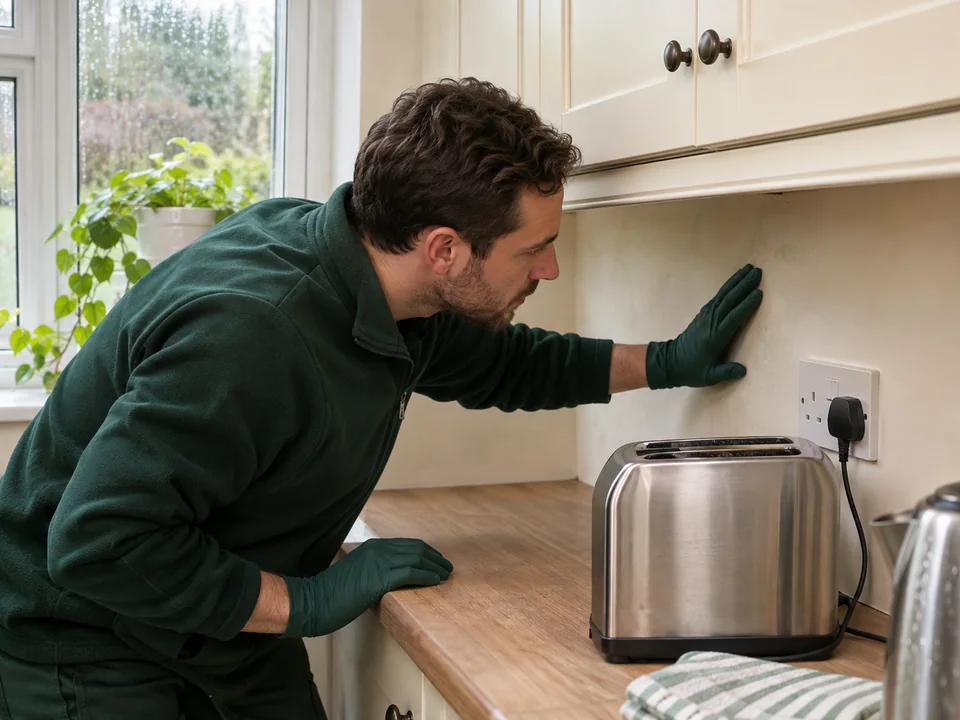
| Stage of the property work | What to share | What we can discuss |
|---|---|---|
| Before an item is removed | Which edge or face can be seen now | Assessment of the exposed position |
| After a finish is exposed | Visible material and condition, plus date | Whether accessible surface work is suitable |
| After a separate repair | What was done and the exact area it covered | Any new question to resolve before cleaning is agreed |
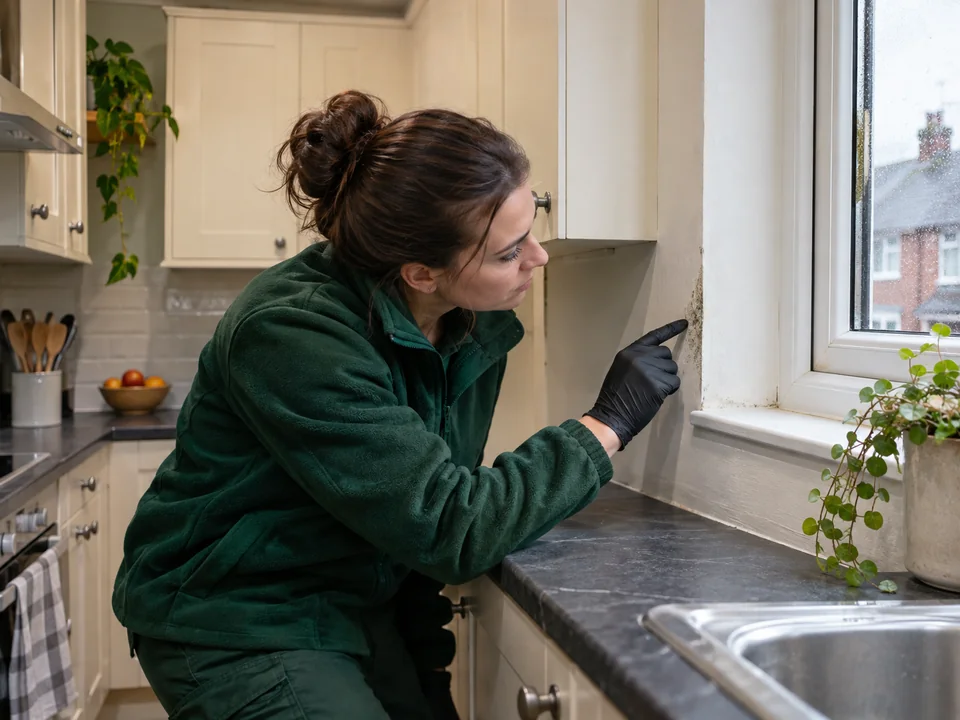
Agree preparation for the actual arrangement on the day
We confirm what should stay in place and which surfaces can be reached before work is agreed. Let us know if a floor covering, fixed unit or other item restricts the approach. If another professional needs to disconnect or remove a fitting before a concealed finish can be viewed, confirm their timing separately. We can discuss a suitable exposed surface without assuming the room will be fully altered. Where a resident needs part of the room to remain available, explain that and identify the time somebody can show the area.
Tell us what will change from the photos if the room is being prepared. We use the expected layout to discuss which finishes can be viewed and to consider any requirements before treatment. If the property is occupied, give the room access times and the person who can agree the practical arrangement. Where an approval or separate visit is still outstanding, we record that boundary. Confirm which contact can respond if somebody opens the property but a change needs to be agreed before work starts.
If the owner plans to make a change before the appointment, give the date and say whether the resident will then be able to confirm the exposed position. We ask what preparation has been agreed by the property contact rather than relying on a photograph from immediately after earlier work. An assessment can be discussed for the accessible finish even if some of the surrounding material still needs a separate decision.
- Confirm what remains fixed or needs separate attention.
- Explain the route to each visible surface.
- Notify us if the preparation changes the exposed finish.
Physically remove visible mould from suitable accessible hard surfaces
We physically remove visible mould from the suitable accessible hard surfaces agreed for treatment. We review the named area and preparation before starting. If one position ends at a different material or a concealed section, we check the boundary so the person meeting us knows what the job covers. An exposed hard face is considered on its own condition even when a neighbouring lining is damaged. If the visible extent or practical access differs from what was described, we clarify that with the relevant person before proceeding with any variation.
After treatment we review the accessible work and explain what was cleaned. We discuss aftercare in relation to those surfaces and make clear which position was not included or needs another decision. If an area was viewed but found unsuitable for the agreed work, we identify that separately. If a suspected problem relates to the building or another part of the property, we keep that question with the responsible contact. Our handover names the room and treated finish so somebody considering the next appointment understands the location and limits.
If the prepared room contains two visible finishes that meet at a repaired edge, we identify which face has been agreed for treatment and which has been left for a later decision. During our review we use the same room labels to identify the suitable hard surfaces cleaned. If a maintenance contact is taking over afterwards, pass on both the named cleaning position and any unresolved property question. That will help them distinguish the outcome of our work from anything still to be assessed.
| Part of the visit | What we do | Handover detail |
|---|---|---|
| Preparation | Confirm suitable hard finishes and agreed access | Areas and practical limits |
| Cleaning | Physically remove visible mould from the agreed available hard surfaces | Positions and finishes cleaned |
| Review | Check accessible work and discuss aftercare | Any part left for a separate decision |
Use the quote and handover to co-ordinate further work
We discuss price against the room, visible condition and access arrangements. Ask what the proposed appointment covers and which areas still need information before work can be agreed. If room access depends on a repair or another person, tell us what can be shown now and when the rest will be available. A clear proposal can name the first assessment position without treating an unavailable part as if it were included. Once a room changes, describe the new visible area and how it can be reached so we can revisit the plan if needed.
If an end of tenancy clean or one-off spring clean is also requested, give us the room list, task requirements and dates separately. We can discuss the extra work around any assessment or cleaning already agreed. Check who will receive the handover for each appointment, especially where someone different will hold keys after the first visit. If later work exposes a finish that was previously concealed, record it with the room and date as a separate observation rather than changing the earlier record of what could be seen.
It helps to have a copy of the agreed locations ready when an attendee arrives. If a property contact sends only the current room notes, retain the original records too. We can explain at handover which part was assessed, which suitable hard finish was cleaned and which separate issue still requires the attention of the responsible person.
- Confirm what the price covers and what still depends on access.
- Keep additional cleaning or repair tasks distinct.
- Agree who receives the review and shares it where needed.
Questions about arranging mould removal
Should I mention North Street when giving the address?
Use the full property address and actual entrance. A nearby landmark may help orient the visitor, but it does not identify a dwelling.
Can I enquire before a room is finished being cleared?
Tell us what can be seen now and when the remaining areas will be accessible. We discuss what the first assessment can cover.
What details help with a newly exposed wall?
Tell us which item was moved, when that happened and what finish is visible now. Show the position in a wider room view if possible.
How do you clean a suitable exposed hard surface?
We agree preparation, physically remove visible mould from the hard surface included in the job and review the accessible work.
What if one visible finish is damaged but the one beside it appears sound?
We review the materials separately and discuss what can be included and what needs another assessment or decision.
Who should review the results after an empty property visit?
Agree the person who can receive the handover ahead of the appointment and explain who can handle any outstanding property question.
Other Cleaning Services in Plaistow
London mould removal enquiries, End of tenancy cleaning, One-off spring cleaning