 Housekeeper
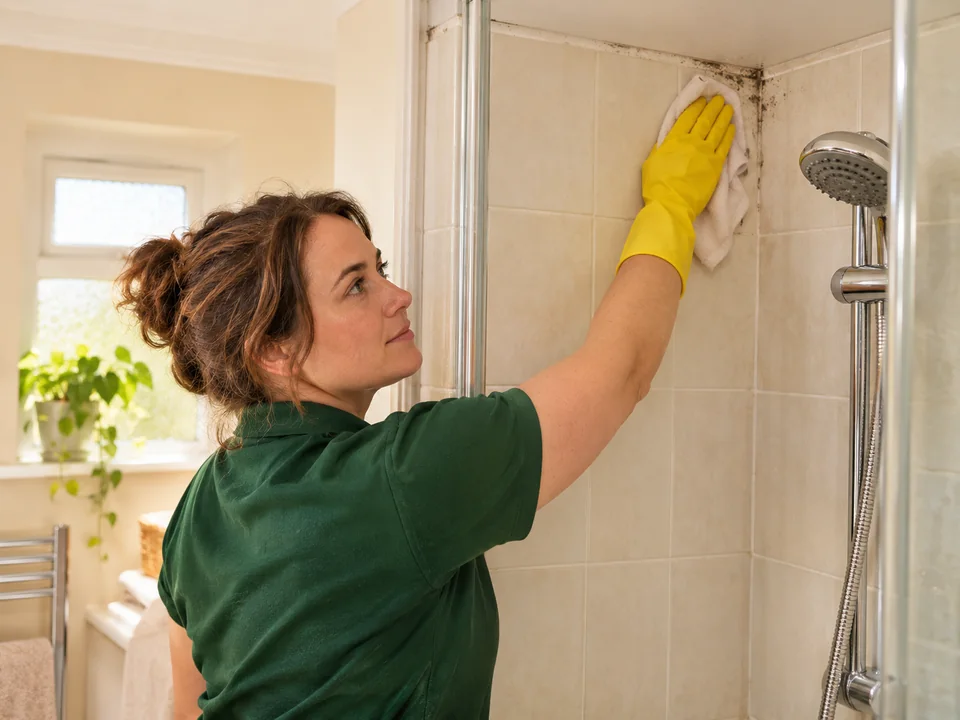
Mould Removal in Enfield
A darkened kitchen return and a marked shower wall can need two different decisions in the same home. In Enfield, we start by identifying the visible areas, agree which surfaces can be cleaned and review the work with you at handover.
Can I send an enquiry for EN1 or EN2?
Give us the complete postcode, the room and the affected finish so we can check your address and discuss the visit.
Does a side entrance change the appointment?
Tell us which gate or bell visitors should use and whether anyone needs to let them in.
Tell us where the kitchen mark begins
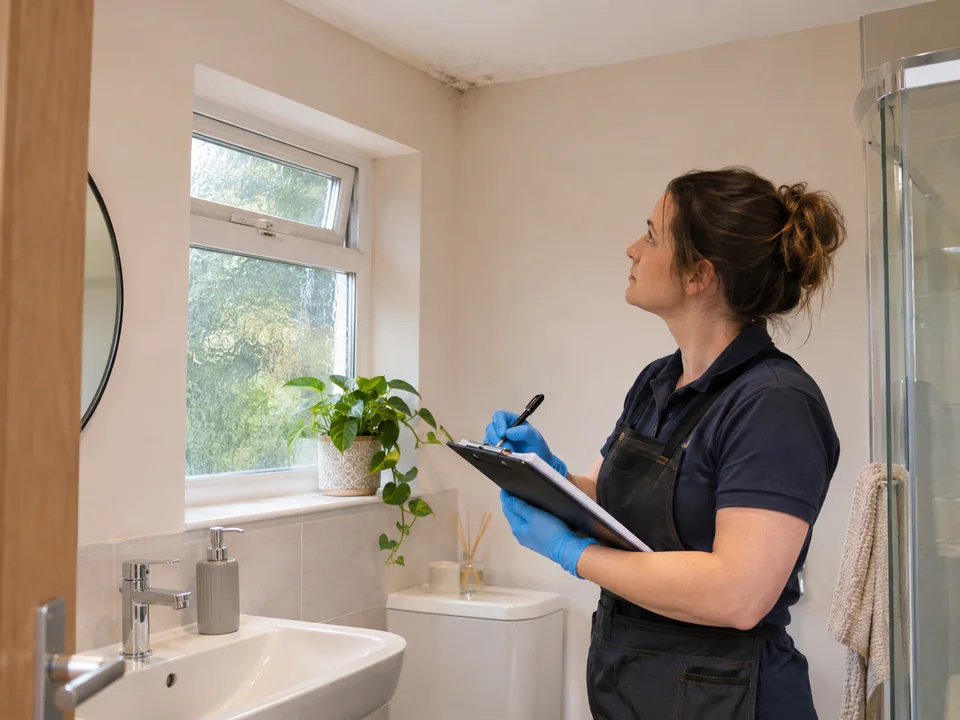
The first thing we establish is the location of the visible mould. In a kitchen, a patch that begins at the corner of the window and reaches the tiled splashback needs a different description from one inside the sink cupboard. If a sill meets a painted return, name both faces and tell us which one actually shows the mark. A photo of the whole window area and another of the join can help us discuss what we would need to see on arrival. Leave fitted parts in place.
Enfield Council’s town conservation area appraisal identifies both the New Town streets around Raleigh Road and the Chase Side and Gentleman’s Row area. The neighbourhood name does not tell us whether your kitchen is in the original part of a house, a rear extension or a separate converted flat. Tell us if the kitchen is reached through an extension door or if passing through another household’s entrance needs prior agreement. Use the current postal address rather than the description from an estate agent’s listing.
An enquiry for a kitchen and bathroom together is easiest to review if you give each room its own description. Use labels like back kitchen or upstairs shower room, then say what you can see and where it stops. If the only visible area in the bathroom is at the basin upstand, say so. If there is another mark behind a toilet cistern that you cannot see properly, leave it where it is and mention the limited view.
Where water appears around the base of a kitchen cupboard, tell us whether someone has looked at the pipework and whether the visible area is dry by the time you make the enquiry. If a plumber has already visited, describe any panels they left open and the accessible parts you now want cleaned. We use this information to separate the marks we can inspect from anything hidden behind the unit. A cupboard full of pans or a fixed panel can hide the boundary even when you have a clear view of one small corner.
| Area you see | Useful detail for the enquiry |
|---|---|
| Window and splashback | Identify the sill, tiled face or painted return. |
| Below the sink | Say if the mark is on a lining, pipe surround or cupboard floor. |
| Bathroom basin | Name the horizontal ledge, wall face or edge seal. |
How we prepare an occupied kitchen and bathroom
We go over the route into the rooms before agreeing what needs to be moved. A clear threshold and a free stretch of worktop may be enough in one kitchen. Another may have a freestanding bin, narrow passage and feeding bowls right where we need to stand. Put aside food, utensils and household items in the places you already use for storage. If a cabinet or appliance is tight against the affected area, tell us when you enquire so we can assess the visible part from the available side.
In a home with one shower, the preparation also involves agreeing when the bathroom can be left free. We can discuss which room should be looked at first and whether the household needs to leave one basin or tap available. If the affected edge is awkward to reach because a fixed screen opens inwards, tell us how far it opens. Separate a fitted shower seat or fixed storage unit from loose bathroom items that can be put away before the visit.
We review the space again on arrival. The enquiry might describe a clear wall, but a temporary baby gate or a laundry rack can change who can pass through the room. Show us where you have put fragile items and identify anything you prefer to leave untouched. If a resident works at the kitchen table or needs a clear passage to a downstairs loo, agree that before we begin. For a property you manage remotely, nominate someone who knows both rooms.
- Leave the agreed worktop space free of food and tableware.
- Tell us which shower door, stair or narrow passage affects access.
- Agree who can answer a question about either room.

What we look at before we remove visible mould
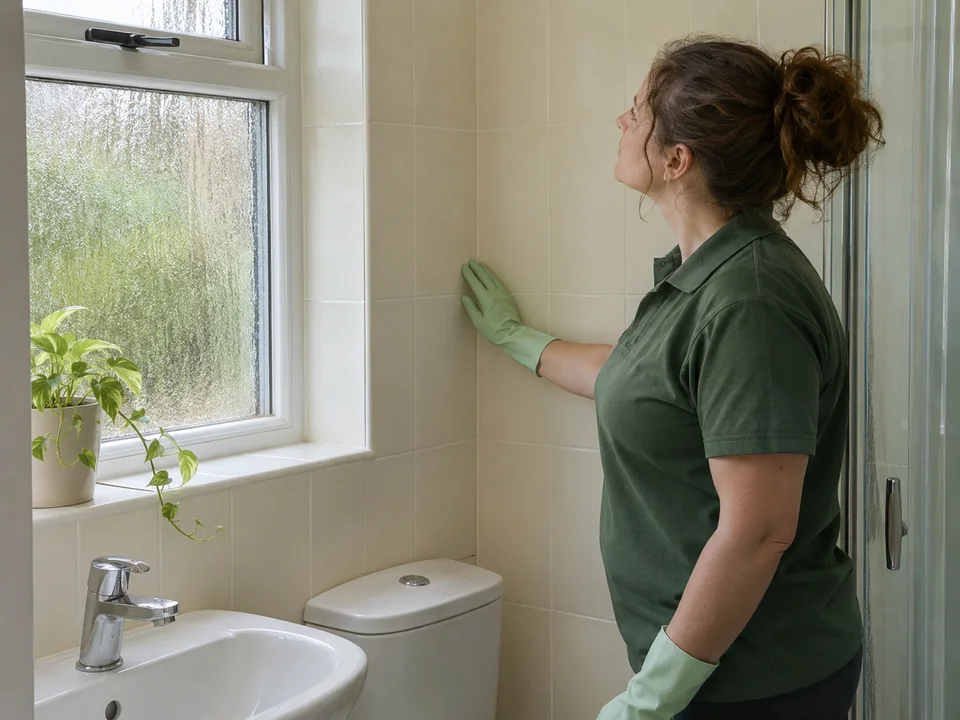
We look at the exposed finish as well as the extent of the marks. A stable glazed splashback, the joint beside it and a painted board may appear to have the same dark line when viewed from the doorway. On a closer look they can require separate decisions. We identify the suitable reachable faces first so you can see which parts would be included. Tell us if a worktop edge has swollen, a section has recently been painted or part of the fitting has started to move.
The same distinction applies at the bath. We identify the exposed tiles and accessible ledges we can address and note where the appearance changes at the seal or on a soft section behind the fitting. A marked hard tile is different from deterioration within the adjoining material. Where we can see flaking, loose pieces or water at the affected area, we discuss the limit before cleaning. Send any surface care details you already have, particularly when a wall has a textured or specialist finish.
A report that the patch keeps returning is relevant to our assessment. Tell us if it expands after using the shower or has been visible when no one was living at the house. We take that history into account when discussing the cleaning result and the follow-up you may need. Seeing a mark during a visit gives us a view of its exposed location. Finding where moisture travels behind a wall or cabinet requires a different inspection.
| What we can see | What we discuss before work |
|---|---|
| Stable glazed tile | Which exposed tile faces can be included. |
| Swollen cupboard lining | The visible damage and what needs further assessment. |
| Loose painted edge | Leaving the unstable finish undisturbed. |
Cleaning the accessible surfaces we agreed
Once we have agreed the areas, we work on the visible mould on suitable exposed hard surfaces. In a kitchen, the work may cover a particular strip of splashback and the adjoining wipeable sill where both are suitable. We keep the result tied to the actual faces the customer approved. A strip of tile beside the window gives us a clear line to review. A cupboard wall behind a fixing may remain inaccessible from the existing opening, even after someone has emptied the cupboard.
In a bathroom, we can work through the agreed section face by face. If the customer points to a shower side panel or a bath ledge, we first confirm what the surface is and whether it can be reached without moving any fittings. When appearance varies along a joint, we can explain what was visible on the surface and what remains as staining or deterioration in the edge. That difference matters if you have to decide whether to speak to a bathroom fitter about the joint later.
When a new area becomes apparent while we are there, we show you where it is and discuss whether it can be included. For example, a mark under an accessible shelf may be visible once you remove a set of baskets, but the back of the shelf assembly could still be obscured. Explain who can approve changes, especially in a let home where a resident is present and a landlord arranged the original work.
For a flat with a small galley kitchen, the sequence can affect access to the sink. We discuss the order so items cleared from one surface can stay out of the next work area. In a bathroom accessed through a bedroom, show us how you want doors left while we move through and tell us whether anyone needs to pass through during the appointment. This helps us work through the agreed faces before checking what we have reached with the person at home.
- Show us the accessible part you want addressed first.
- Keep instructions for unfamiliar finishes to hand.
- Give the name of the person who can agree an addition.
Review each room separately at handover
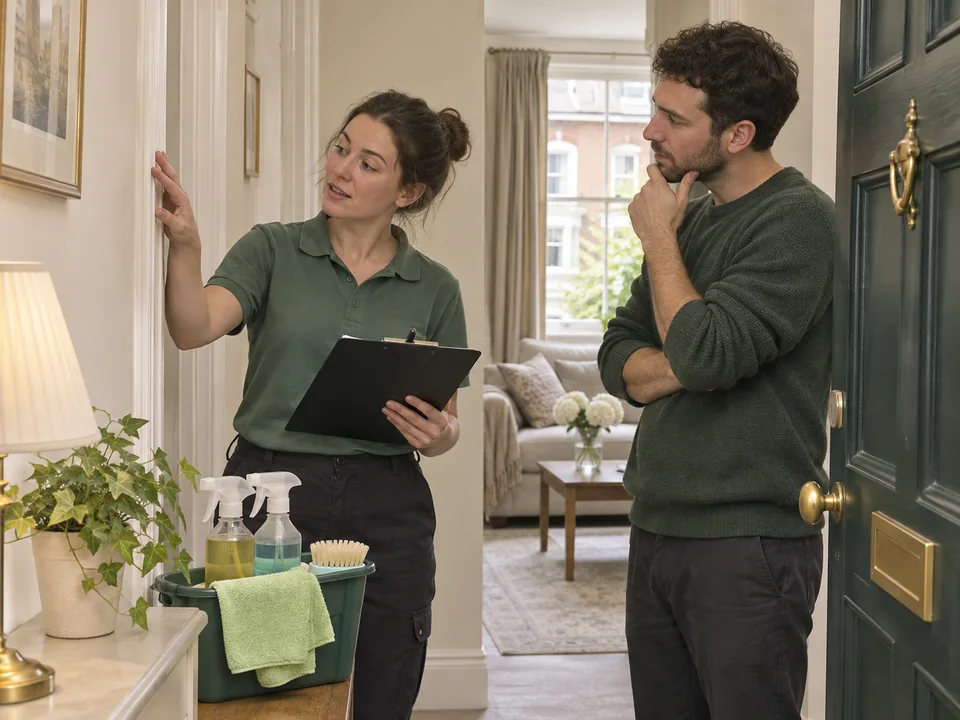
We go back through the agreed surfaces after cleaning and identify anything we left untouched. With two rooms in one booking, we explain the result for each room. A cleanable kitchen splashback and a bathroom return with a damaged finish may look very different at the end. If you have time to review both areas with us, ask which edge or face we reached and where the limit was. For work arranged by someone off site, agree who should receive the update.
If the original problem included water under a sink unit or marks that reappear at a window, tell the person responsible for the property what you observed and when. We can point out the surfaces worked on and describe visible conditions beyond them. A landlord or property manager can use those details when arranging their own inspection. In a household where several people share the kitchen, agree who will pass on the information so the same patch is easy to identify later.
A quote depends on the number of affected surfaces, their condition and how we can reach them. Two easy-to-reach marks could involve less work than one area that crosses several finishes in a narrow recess. Start with the postcode and each room’s details, especially if someone needs to travel over to open the address or if a rear entrance has a separate gate. We can then discuss the appropriate cleaning visit and what we need to see before agreeing the work.
- Ask who will receive the update if you cannot attend.
- Record any location you need to raise with your property manager.
- Check the two room descriptions against the work you agreed.
| At the end of the visit | What we can review |
|---|---|
| Cleaned surfaces | The exact ledges, tile faces or hard areas worked on. |
| Areas left alone | The finish, obstruction or access issue involved. |
| Recurring marks | The location you can share with the property contact. |
Questions about arranging mould removal
Can you inspect visible marks on the cupboard floor by a sink?
We can discuss looking at the exposed area. Tell us what the lining is made of, whether it is swollen and if a fixed pipe or shelf blocks access.
What if the kitchen sill is timber and the splashback is ceramic?
Tell us about both materials. We review each exposed face and agree where surface cleaning is suitable.
Do you need the flat number if the address has a single front door?
Yes, include it. Tell us which bell or name identifies the right household if the door or hall is shared.
Can you clean the kitchen while someone uses the bathroom?
Tell us when each room will be free. We can discuss an order that gives us access to the agreed areas while fitting around your household.
Will a deep line in old bath sealant look new afterwards?
We assess the exposed joint and discuss the likely result. Discolouration within the material or damage along the edge can remain visible.
Can I book a shower patch and ask about a recurring window patch later?
Yes. Describe the shower area first and mention the window separately if you want us to review it during the enquiry.
Other Cleaning Services in Enfield
Regular housekeeping in Enfield, End of tenancy cleaning in Enfield