 Housekeeper
Mould Removal in Beckton
For mould removal in Beckton, we find out where the visible mould sits and how we can reach the room. We consider the condition of the accessible surface, agree what can be cleaned and prepare the immediate working area. We physically remove visible mould from the suitable hard surfaces covered by the visit, then review the outcome with you.
What postcode should I give near Tollgate Road?
Give the property's complete postcode and the approach to the door you will open.
Do you need to know which side of a fitting is affected?
Yes. We assess each visible face and agree what can be reached.
Provide a route from the main corridor to the correct door
Newham Council describes Tollgate Road as an east-west corridor through Beckton and identifies local links around Woolwich Manor Way. Its characterisation study also records short local streets and cul-de-sacs. If your door is approached from a turning, courtyard or separate walkway, explain which route is used for the visit. We take the full address and postcode and make sure the agreed instructions take us to the property itself. The postcode gives useful context, while the door and route identify where someone will meet us.
We check access for the relevant room once we have confirmed the entrance. Tell us if the route includes a stair, a shared gate or a shift in floor level after entering. If a keyholder can open the property but another person needs to open the affected room, we check how those arrangements can fit together. Say whether only some of the rooms can be viewed at the proposed time. We use that information to discuss the work that can reasonably be considered.
Where someone else is arranging the visit, give the contact who knows the actual approach to the property. We keep the access details with the room list so the person meeting us can show the right visible surface. If the timing or route changes, explain what can now be opened and who will provide access. We then review how any change affects the original enquiry.
- We confirm the practical approach and the full address.
- We identify the room, level and route inside.
- We check who will open each part at the agreed time.
| Part of the route | What we confirm |
|---|---|
| Approach from the road | Which turn, pathway or entrance serves the property |
| Arrival | Address, door label and who can be reached |
| Route inside | Stair, shared access or changes in level |
| Working position | How to reach the visible surface within the affected room |
We take the visible location and material as separate details
On the first call we ask for the name and floor of the affected room and the position of the marks. Give the size of what you can see, or describe where it begins and ends using a fitting or opening to identify it. If the condition changes across the surface, tell us where. We use that description to discuss what needs considering at the property and whether it can be assessed from the available position.
Photographs can help when the room and finish are easy to distinguish. A wider view can show the area relative to a fitting, a ceiling edge or the connection to another material. A closer view can show changes to the finish if it can safely be taken. If an area is only visible from a stair or around the end of furniture, explain the limit. We discuss whether further access can be agreed instead of relying on guesses about a part of the surface you cannot see.
Tell us if the visible condition has changed since first reported. If earlier work happened near the same position, give the information you can confirm. We keep repair details separate from the description of the present finish. This helps us see which questions are about the accessible surface and which need to be dealt with by the person responsible for the building. If there are marks in several rooms, we repeat the location checks for each one.
- We list each visible area and material separately.
- We check how much of the surface can be seen.
- We note any relevant earlier changes to the room.
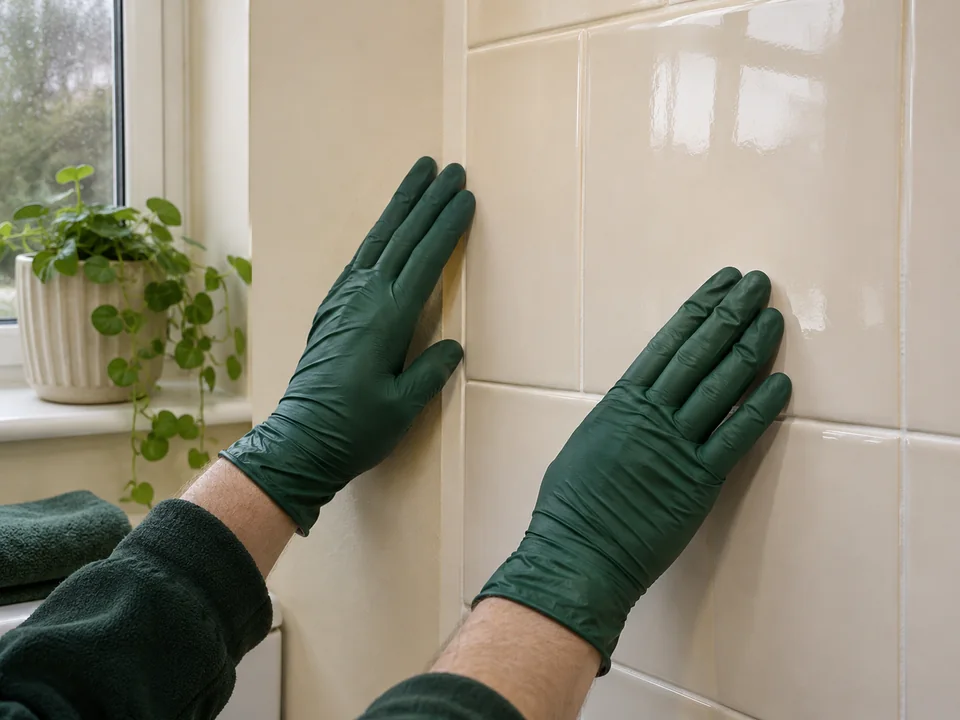
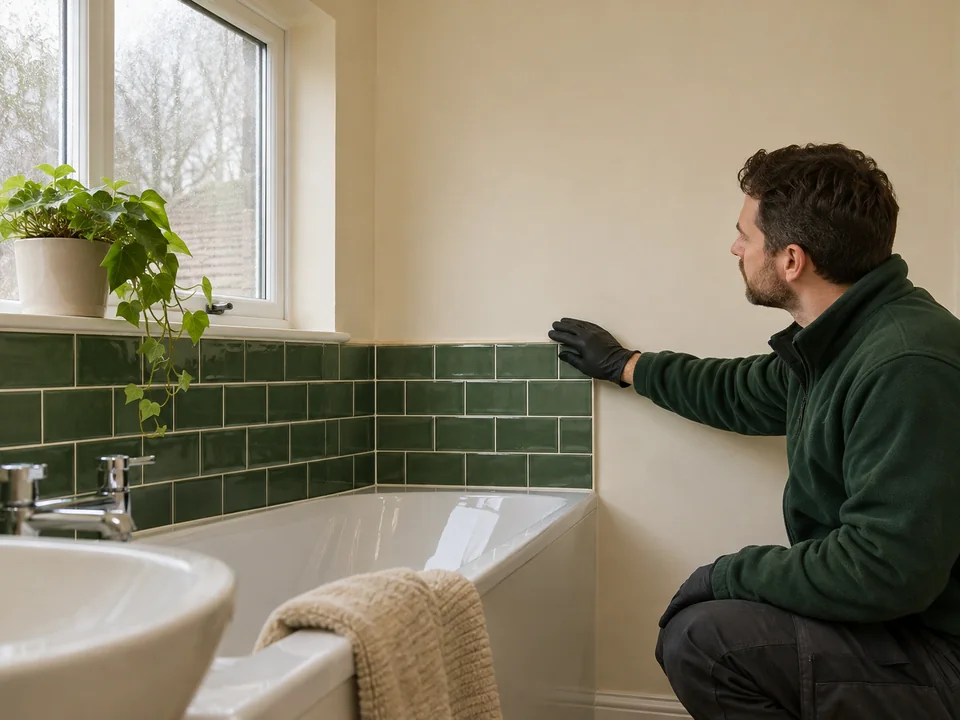
Assess suitability and agree the limit of the work
At the property we review the visible condition of the finish and how a cleaning position can be reached. We identify the boundary of the affected area and consider whether it includes materials in different conditions. A hard face can be assessed separately from the edge of a covering that is loose. We confirm which accessible areas are suitable and explain when a different material or position needs another decision. This allows the agreed work to be described accurately.
If the surface appears different after we arrive, we discuss what has changed. A room that was furnished may be clearer, for instance, or a previously visible area may now be obscured. We assess what can actually be seen and consider whether it matches the proposed work. If another visible area is a new item on the enquiry, we ask who can approve it and whether it needs assessment before being included.
Where a separate moisture or material issue is suspected, we explain which part of the room is involved and what should be reviewed separately. We use the visible condition and the information confirmed by the customer. Questions beyond the accessible surface work can be directed to the person responsible for the property or for a separate assessment.
| Visible location | Assessment point | What we agree |
|---|---|---|
| Accessible hard wall or ceiling face | Condition, visible extent and reach | Which surface is suitable for the clean |
| Boundary where one finish meets another | Material and condition on each side | The appropriate limit of physical removal |
| Section that is hard to see around a fitting | What is visible without moving anything | How any additional assessment could be arranged |
| Material that is visibly damaged | Which area differs from the surrounding finish | Whether another property decision is needed first |
Prepare the agreed position and remove visible mould
Once we agree what can be cleaned, we prepare the immediate working area. We check how to approach the surface and which nearby items should stay in place. If a route in the room has to remain available, we discuss that before starting. Our preparation follows the actual area and finish identified in the agreement, so we confirm where the work begins and ends and who can answer any questions during the visit.
We physically remove visible mould from the suitable accessible hard surfaces included in the agreement. We consider the agreed working position and keep to the boundaries around other materials or fittings. If we find that an area can no longer be accessed or the finish is unsuitable, we stop to discuss the limit and explain what would need to happen before any further work on it could be considered.
We review the visible result once the agreed surface has been cleaned. If several hard faces in the same room are included, we check each one against the list we discussed before work. This helps everyone identify exactly which surfaces were treated. For a property with a separate cleaning appointment, we explain the area attended to so the other work can be planned with its own room details.
- We prepare around the agreed working position.
- We physically remove visible mould from the suitable hard faces included.
- We review each cleaned area against the work agreed.
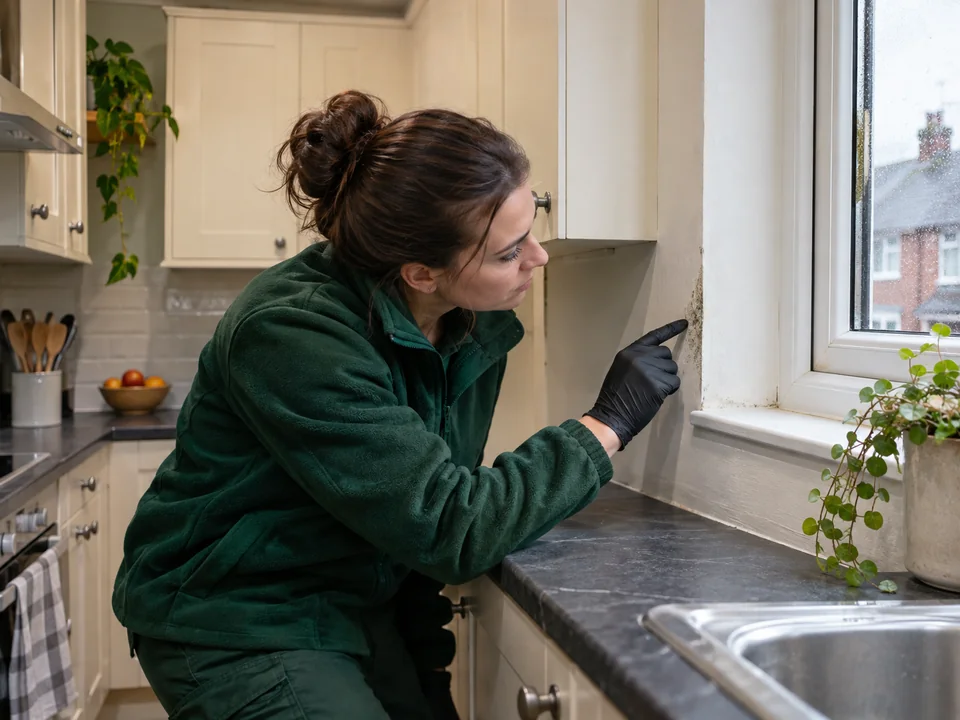
Hand over the result and keep the next steps distinct
At handover we identify which areas received the agreed surface work and which could not be included. We explain any separate follow-up in terms of its location and finish. If an agent, owner or other contact needs the outcome, tell us how they are involved. We use the same room and surface descriptions that were used when the visit was arranged, so someone receiving the information afterwards can identify what it refers to.
If a repair or an unresolved moisture question is still relevant to the property, we identify what can be discussed with the responsible person. We explain what was visible during the visit, what was cleaned and which matters sit outside that work. Keep any confirmed dates or photographs with the room description if further assessment is being arranged. These details can help distinguish the original visible area from another area that appears later.
To prepare an enquiry, use the booking page to collect the full Beckton address, visible area, finish and access details before contacting us. Tell the office if there is another visit planned or if the room is only available at certain times. If you are enquiring about a regular housekeeping service as well, keep its room list separate and tell us which areas need their own arrangements.
| Review and handover | What we confirm |
|---|---|
| Surfaces cleaned | The visible positions within the agreed work |
| Access limits | Areas that could not be viewed or reached |
| Further decisions | Who may need to consider other materials or a building question |
| Follow-up contact | Who needs the outcome and room record |
Update us if plans for the room change
Before the visit, tell us about any difference in room availability that affects the work. A resident may have an appointment in the room or a separate keyholder may only be available during part of the day. We check what that means for the working position and the area we can consider. If a newly visible surface is part of the change, say what led to it becoming accessible and what finish you can see. We can then discuss whether the surface needs its own assessment and who can agree what happens next.
We also check the address and room description if the visit is being moved to another day. Access arrangements may be different even when the rooms and affected finishes have stayed the same. Tell us who has the keys, who knows where the marks are and whether the room is now used at different times. We can then agree the working position and determine which areas can be reached during the revised appointment.
If another person is taking over repair enquiries in the same property, let them know which surfaces are under discussion for cleaning. We check who should receive anything that needs a separate decision. During review we identify the accessible areas attended to and match them to the room description from the visit. That helps a successor understand which work has taken place and what they need to arrange afterwards.
Where a visible patch is near a fitting that another person is due to assess, we discuss how the timing of the two visits fits. We establish what can be seen now and whether a clearer view is expected later. If another appointment takes place first, tell us which parts of the finish remain accessible afterwards and who can confirm the latest arrangements.
Questions about arranging mould removal
How do you locate the right door on a side turning off Tollgate Road?
We confirm the full address and postcode with the visitor approach. Give the door label and the person who will open it.
Can you consider a second wall the room contact only spotted yesterday?
Give the visible position and access details. We consider it separately and explain if a change to the proposed visit is needed.
What if a mark reaches the exposed edge of a fitted unit?
We assess the accessible hard faces we can see. If the finish behind the unit is concealed, we discuss which access or separate assessment it would require.
Can someone who has been given the key show you the room while I am away?
Yes. Confirm what that person can open, which surface they should show and who can approve changes to the agreed work.
How will I know which work was done if you could only reach part of the affected hard finish?
We review the area cleaned and explain where access or material changes limited the work. We identify the remaining part separately.
What information do I retain if another person is looking at an underlying property issue?
Retain the room and finish description, any confirmed repair history and the outcome of the agreed clean. We explain any position we could not assess.