 Housekeeper
Mould Removal in Willesden
We take a Willesden mould removal enquiry by identifying what is visible and how we can reach it. We assess the accessible finish and confirm which surfaces can be included. We prepare the working area, physically remove visible mould from the suitable hard faces agreed and go over the result and any outstanding property questions before handing the room back.
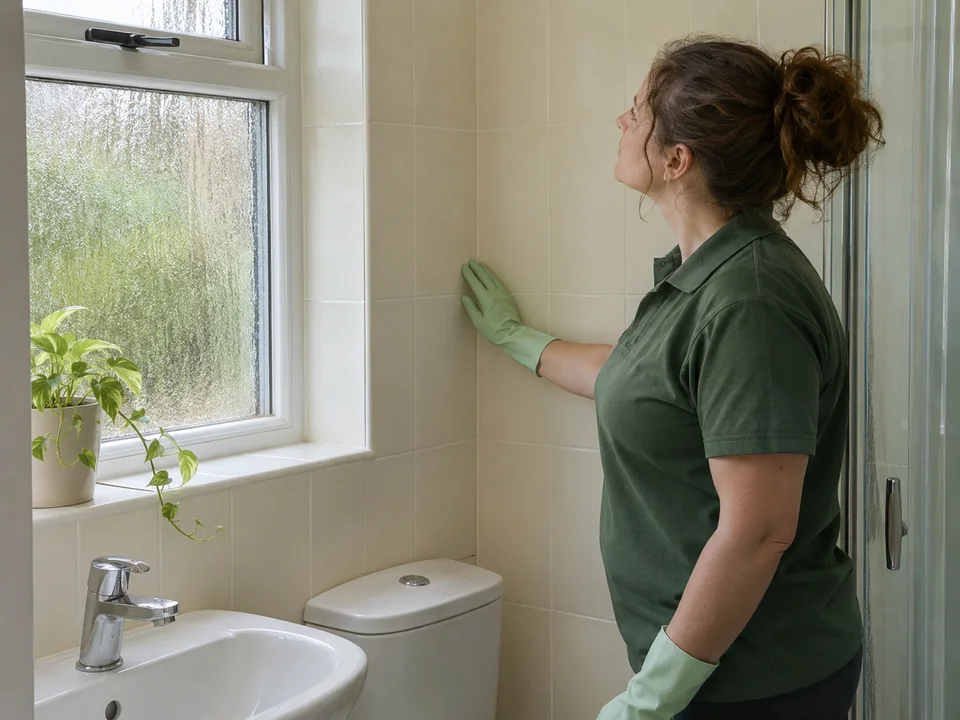
What details help for a Willesden flat above a parade?
We need the full postal address and the route to the residential entrance.
Can I send pictures of different walls?
Yes. Label each room, wall and visible area so we can discuss them separately.
We identify each affected area before agreeing a visit
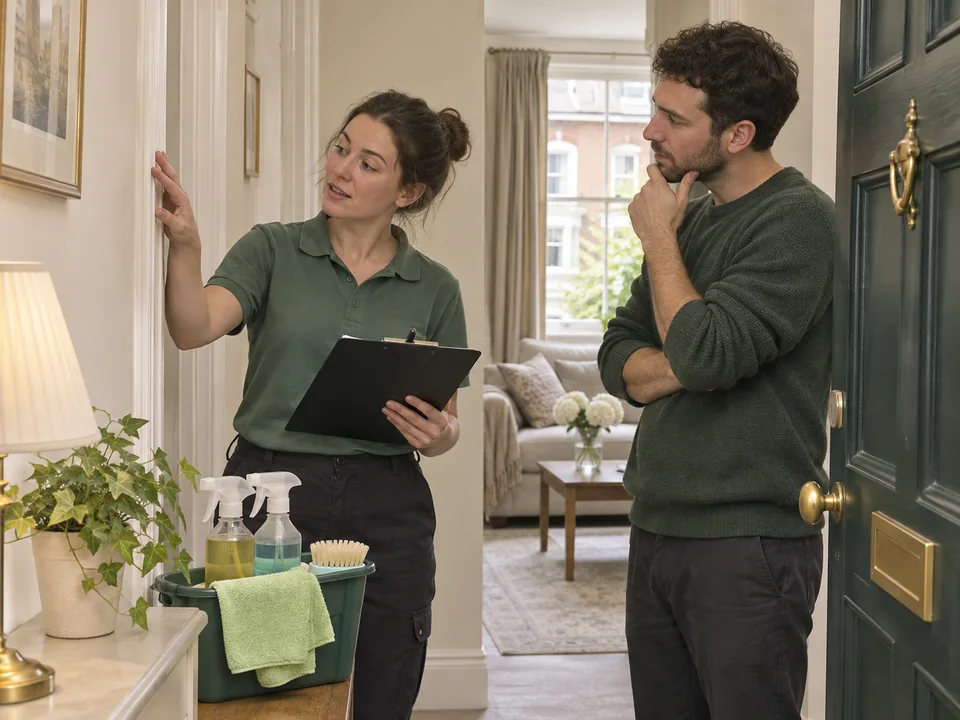
On the first call we ask what you have noticed, where the visible mould is and what the affected surface is made from if you know. Give the room and position relative to a fitting or doorway, especially if more than one wall is involved. We record the visible area and any part that is difficult to see or reach. If it is important to view the surface before a price can be agreed, we explain that and discuss how access to the room will work.
If you have photographs taken from a safe place, a wider image helps us identify which position the close images relate to. Use the same room labels when giving the measurements and talking about earlier changes. If the only photographs are old, tell us when they were taken and which parts have been seen more recently. We can discuss what needs to be assessed in the room at its current condition before deciding how to proceed.
If the person who has seen the mark does not control access, we confirm who can open the property and who can authorise any work. We record that separately from the affected position. If the issue is in a common hall rather than within the home, tell us who is responsible for that area. This helps us identify which arrangements are relevant to the visit before we address the proposed work.
- We record each area with its room and visible finish.
- We check what is accessible and what still needs to be viewed.
- We agree who can open the property and authorise work.
| What you tell us | How we use the detail |
|---|---|
| Position and approximate size | Identify the visible surfaces under discussion |
| Condition and material | Consider whether assessment is required first |
| Availability of rooms | Plan access to the agreed area |
| Responsible person | Confirm who handles approval and handover |
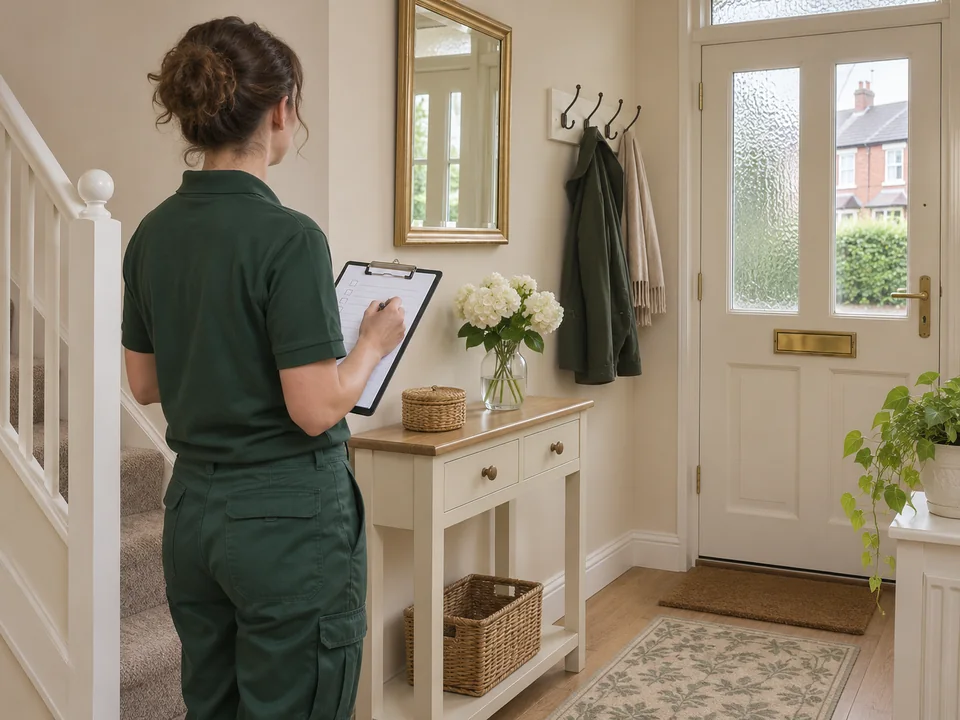
Plan the arrival beyond the High Road frontage
Brent Council's conservation appraisal describes Willesden Green's High Road shopping parades and the incline along Walm Lane towards the station. If your address is by a parade or a different entrance serves the home, tell us how to get to the actual door. Give the complete postcode because an area name alone is too broad for arrival. We record the property name or number and whether someone needs to meet us outside or open a second entrance.
Once inside, we need to know how to get to the affected location. We ask about steps off a landing, any shared hall and whether there is a working position below a higher area. If a surface sits at the far end of a narrow passage or behind a fitting, mention that during the enquiry. We check whether we can assess the visible finish from the route you describe and what else would need to be agreed if access is limited.
If another resident will open the door, confirm which room they can take us to and whether they can remain for the necessary period. Give the description used on the original call, so there are no assumptions about which wall, ceiling or fitting was meant. If a different route becomes available, tell us what has changed before the visit. We can then confirm the practical arrangement for the affected surface.
- We use the full address and the actual visitor door.
- We check the route to each relevant level and room.
- We clarify timings when the room is available only briefly.
Assess the visible condition and set the work boundary
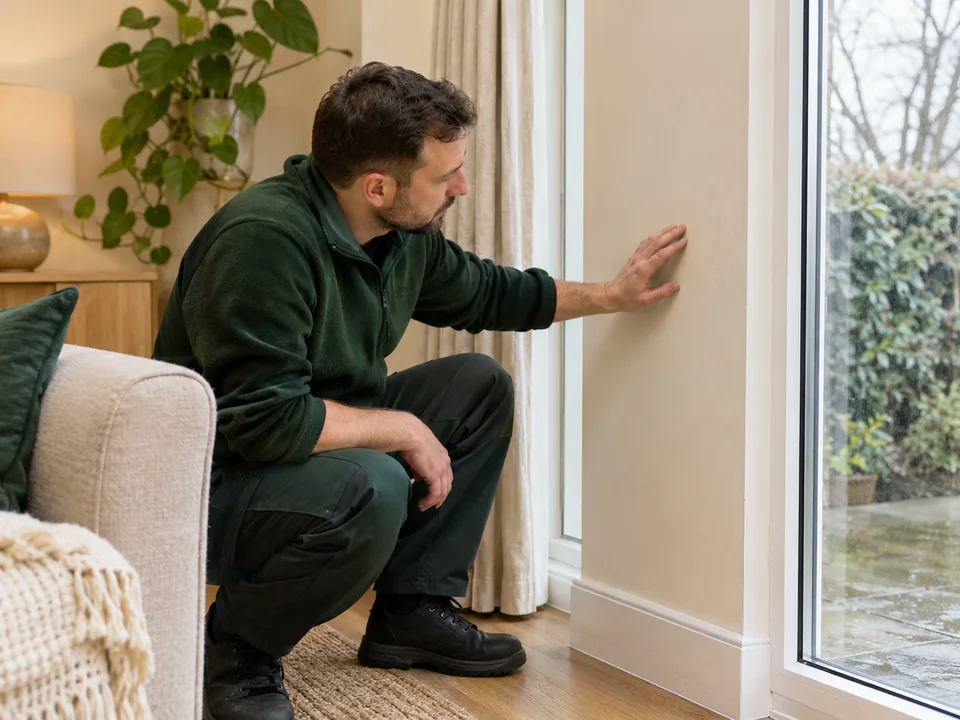
At an assessment we review the visible finish, how far the affected area extends and which surrounding materials adjoin it. An intact accessible hard surface and a loose or changed material can require separate decisions. We identify the accessible area and discuss what is suitable for surface cleaning. If the marks appear to continue behind a fixed face, we explain what part can be evaluated and which question needs further access or assessment.
We also consider what the customer knows about earlier changes to the room. A previous report of water entry or a repair to a fitting can provide useful context for the visible area. Tell us which facts you can confirm and who needs to investigate anything outstanding. We consider that information alongside the condition of the finish when agreeing work. Any unresolved building or moisture question remains a separate decision for the appropriate contact.
If we find a different visible condition from the one discussed, we explain which details have changed and check how that affects the proposed clean. We establish whether the area we have seen is suitable and how much can be reached before agreeing what it includes. If a quotation needs revising because another surface is involved, we discuss that with the person authorised to make the decision.
| What is visible | Assessment point | Decision |
|---|---|---|
| Sound hard face | Material condition, visible extent and reach | Agree the accessible area that is suitable for cleaning |
| Adjacent loose covering | Where its condition differs from the hard face | Explain which part needs a separate assessment |
| Wall partly obscured by a fitting | What can be viewed and where the access stops | Define any further access before including the concealed area |
| Changed position from the original enquiry | Current room layout and working position | Review whether the original agreement still applies |
Prepare for the work and clean the agreed hard faces
Once we confirm the suitable surfaces, we prepare the immediate area around them. We check where the work can take place, which items can stay where they are and who needs to use the room or route during the agreed period. We clarify the boundary if the marks are near a fitting, a path through the room or an adjoining material. This makes it clear where the work will happen and which area should remain available.
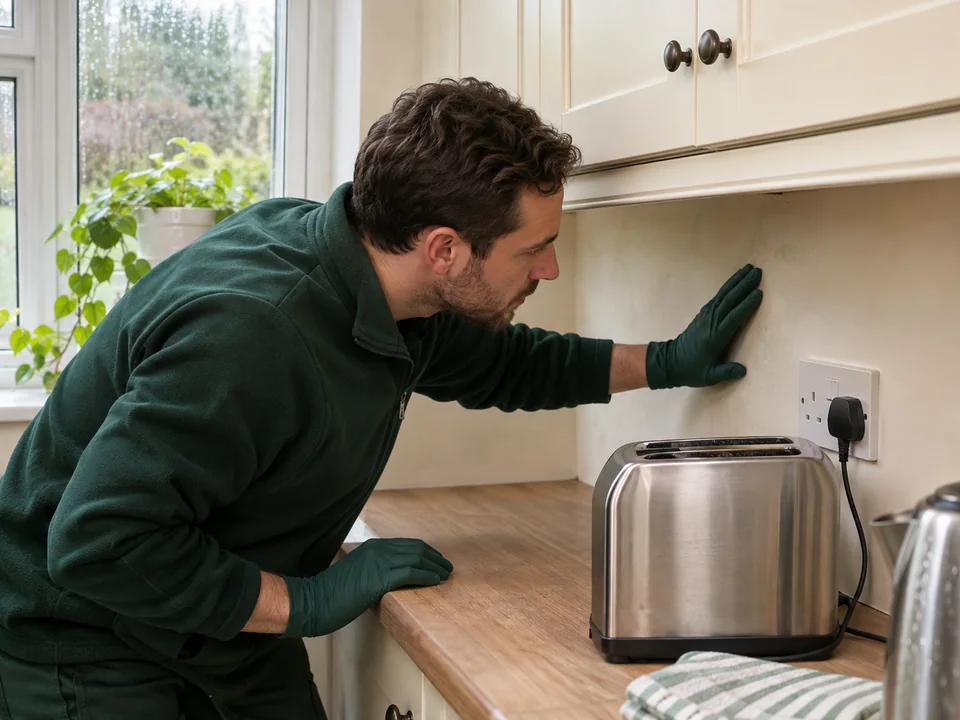
We physically remove visible mould from the suitable accessible hard surfaces covered by the visit. We pay attention to the agreed boundaries where a finish changes or access is restricted. If the surface turns out to be unsuitable, we identify it and discuss what has to happen before the area can be agreed. We keep the visit description and any change linked to the exact material and position.
After cleaning we review the visible surfaces against the work agreed. Where another area remains unresolved, we explain why it fell outside the clean and what further question to discuss. If another service is planned for the property, such as either a move-out clean or routine work, we can discuss it separately so it has its own room list and timing arrangements.
- We confirm the working position before preparing.
- We remove visible mould from the suitable accessible hard faces agreed.
- We review the work and distinguish what still needs separate attention.
Review the outcome before handing the room back
At handover we identify the areas cleaned and any part that could not be included. Tell us if the outcome needs to go to someone who was not present, such as the person managing the property or the person who reported the mark first. We can explain the work using the same room and surface names used when it was arranged. The customer can then distinguish what happened in the agreed area from a question about an adjoining finish that requires another decision.
If a moisture or property matter remains open, we identify the visible area relevant to that discussion. We describe the limit of what we could consider and explain which questions need to be dealt with separately. Keep any earlier photos or repair information with the room label and the visit outcome. This can help another person understand which part has received surface cleaning and which part still needs assessment.
Use the booking page to collect the property address, which rooms are involved and how the affected areas can be reached before calling. Include any planned changes to room availability. We can then discuss how to arrange the visit and who will open the property and receive the outcome.
| Review detail | What we confirm |
|---|---|
| Work completed | The suitable visible surfaces cleaned |
| Boundary | The positions or materials outside the clean |
| Building question | Who should review it separately |
| Handover contact | Who needs to receive the room details |
When a new area comes into view
If another section becomes visible after an item has been moved, tell us where it is and which room or finish it affects. We consider that area separately and discuss whether it needs its own assessment or change to the work. We also confirm if the person who arranged the original visit can approve any further decision or whether another contact is responsible.
When a second area is discovered during another type of visit, we ask how it became visible and what the customer wants to do next. If the area is on another finish, it may need to be looked at in its own right before a clean can be discussed. We determine where the original surface ends and whether the new item can be reached in the position available. We then explain if a further decision is needed and who would need to approve it.
In a property with a shared access route, arrangements can change even if the affected room itself is the same. An occupier may now have the key to the first door but still need another person to open the room. We confirm what is available at the agreed time before including the new area. If access cannot be arranged, we explain which work can still go ahead in the accessible area and what has to be discussed separately.
If a customer calls about a mark in a room used by someone else, we ask when the room can be made available and how the affected surface can be shown. We record the person who knows the room separately from the one who will agree the work. At the review we use that information to explain the location and finish covered so whoever receives the outcome can see how it relates to the original enquiry.
After any change, we confirm what is included and which surfaces remain outside the agreement. This gives the resident or property contact a clear reference before work begins.
Questions about arranging mould removal
Which address details help if my entrance is beside a shop on the High Road?
Give the complete address and indicate where the residential door sits in relation to the frontage. We confirm how to reach the affected room from there.
Can the room be assessed if the narrow approach is only available in the morning?
Give the timing and any access limits. We discuss whether the position can be reached and how that affects the proposed visit.
How do you agree a mark that crosses onto material in a different condition?
We assess the accessible finishes separately and agree which are suitable hard surfaces. We explain whether there is a separate material question before proceeding.
Do you include a second area that became visible after I rearranged the room?
We identify and assess it separately. Tell us what changed and where the area is, and we can discuss if the work needs revising.
Who receives the report if a resident can open the door but an agent pays?
Confirm who should hear the outcome and who can authorise changes before the appointment.
What will you tell me after working on one face of a wall only?
We identify which face we cleaned, plus anything outside the agreement or that needs further assessment.