 Housekeeper
Mould Removal in Leytonstone
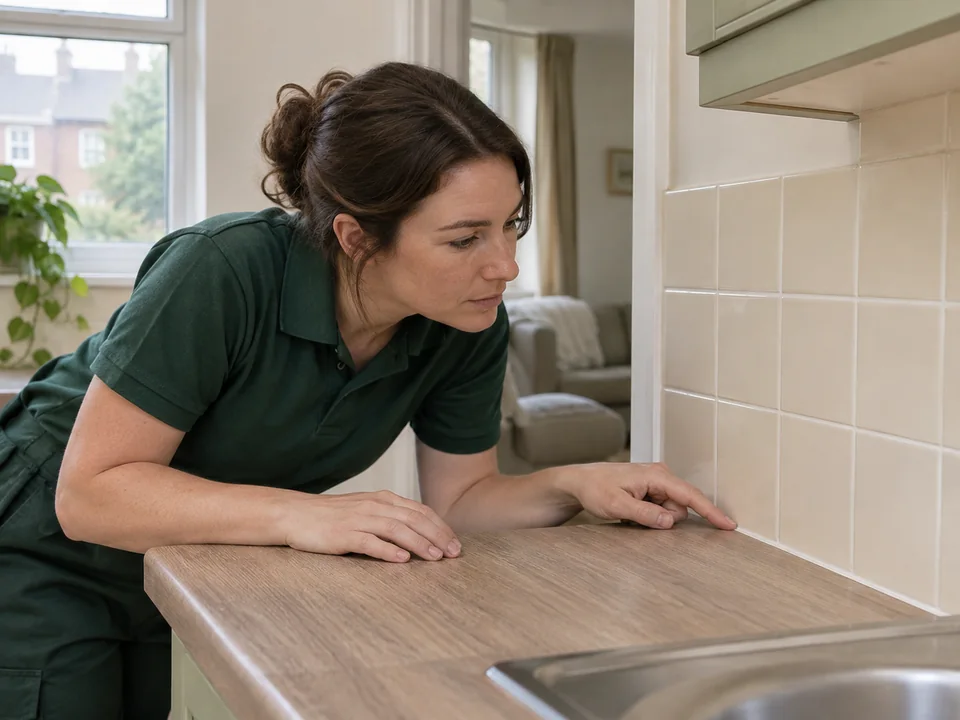
A Leytonstone mould removal visit starts with a named room, an accessible finish and an agreement about what can be assessed. We then discuss preparation and how we will review the work on suitable exposed hard surfaces.
What directions should I provide near Church Lane?
Give the complete E11 postcode and residential entrance. If the door is off the main frontage, tell us where to meet the keyholder.
Can you review a mark after earlier work?
Give us the earlier finish and date alongside the current position.
Establish the present room condition before agreeing a visit
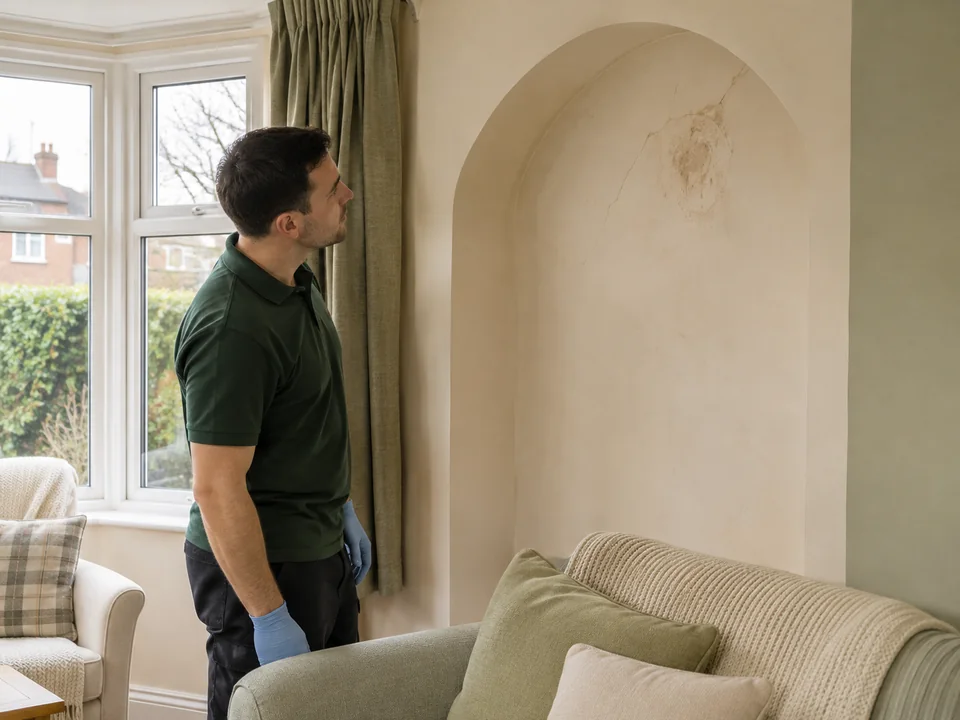
We take the room, visible position and approximate size at the first enquiry. We ask which part of the finish you can see from within the property and whether a fitting or piece of furniture conceals the rest. A question about a wall can refer to a visible edge of paint, a separate backing or the area past a fitted cabinet. We use a current description to separate those positions before discussing assessment. If you can provide pictures, one showing the room and another of the exposed material can help us identify what the first visit should consider.
Tell us which area is the immediate priority and whether you have another visit already arranged. If several people have reported marks in different rooms, ask them to give the room and visible finish separately. We can discuss one room while another remains unavailable, provided the person meeting us knows which position to show. If the report concerns a change after decorating or a repair, describe the point where the present mark starts before repeating the whole repair history. We take the dates and relevant location as part of the assessment discussion.
We also identify who will provide access and who needs the result. A resident may see the condition regularly, while the owner or agent has the record of earlier work. Putting those details together helps us discuss the current room condition while keeping separate property questions open.
- Provide the room label, visible extent and finish.
- Say which parts are only visible from a particular position.
- Identify a keyholder and the person who needs the outcome.
Arrange access from your actual E11 doorway
Waltham Forest Council lists Leytonstone Library on Church Lane in E11. A reference to Church Lane or the High Road can orient the enquiry, but we need the exact street, postcode, dwelling and entrance. If a residential door is next to a frontage or opens onto a different route, tell us where someone should arrive. Mention which floor and room we will need to reach and any internal steps. We ask how the person attending will be let in, especially where someone needs to meet them away from the affected room.
If there is a key collection or building sign-in arrangement, check when the relevant person is available and what access they can provide. If a hallway is shared, tell us how to reach your room without relying on access controlled by another dwelling. Where the wall being reported continues to a shared area, discuss who could make that part available separately. We use the named rooms and access directions to agree the visit, rather than assuming that an address alone tells us how each finish can be reached.
Where a shopfront or another address occupies the same frontage, give us the direction of approach for the home. If a resident needs to meet us at a different entrance, state their role and the agreed meeting time. We can then check the arrangement against the person able to open the room. A property visit needs both the correct door and access to the actual surface under consideration.
| Part of the visit | Details we use | Who can confirm them |
|---|---|---|
| Arrival | Full address and residential doorway | Person arranging access |
| Entry | Keyholder, meeting time and shared entrance | Resident or building contact |
| Room access | Floor, stairs and conditions at the affected position | Person who can show the finish |
Read the mark against the adjoining finishes
We consider the material and visible state of each position. If marks follow a painted edge beside a frame, describe where the paint meets the other surface and what can be reached. If the finish is hard and sound in one place but loose or damaged elsewhere, we discuss the areas separately. A proposal for an accessible position should identify the finish concerned rather than assuming a whole wall needs the same work. Tell us if the area can only be seen around a fixed item. We note the concealed part as a limit until any separate access or material question is answered.
A new observation may fit an earlier account, or it may sit in a part of the room that was never inspected. Keep dated photographs and the positions named in an earlier record. If a mark crosses the boundary of fresh decoration, show us where the newer finish begins rather than relying on the colour to identify its location. If someone is investigating a separate building issue, tell us which part that investigation concerns. We can assess the exposed area without claiming that the adjoining hidden finish or wider property condition has been established.
In a property where several repairs are being discussed, ask which positions belong to each report. A description of a corner may be ambiguous if two rooms share the same orientation. We use the room name and a fixed feature to locate the visible finish. If a current picture shows a different area from the repair record, we ask you to identify that change as part of the assessment discussion.
| Visible area | Useful detail | Decision before agreeing work |
|---|---|---|
| Hard wall face | Condition and named room position | Is the exposed area suitable for surface treatment? |
| Adjacent damaged edge | Extent and what can be seen underneath | Does it need separate assessment? |
| Finish partly concealed by a fitting | Where the accessible area ends | Which part stays outside the proposed work? |

Agree preparation and access before cleaning
Once we understand what is visible, we discuss practical preparation. Tell us what lies near the affected area and which things should stay in place. We ask how someone could approach the finish and whether permission is needed before the room can be rearranged. An item that is easy to describe in a photo may be fixed or difficult to move. If the room has to remain in use, explain the times and areas that are available. We agree what needs to be ready before the visit and record the relevant restrictions alongside the room name.
If another person is due to change the layout or expose a finish, explain what they expect to do and when. We can discuss a visit based on the room as it will be when we arrive, and leave an unavailable area for another decision. Where a second room has different access, give the details for it separately. Confirm who can make each arrangement if the person who accepts the proposed work will not be present at the property. We can explain what remains to be confirmed so everyone has the same room list before the appointment.
- Discuss which fittings remain in place and the space around them.
- Notify us if another visit changes the visible finish.
- Confirm the access contact for every room included.
Clean the agreed surfaces and review the accessible work
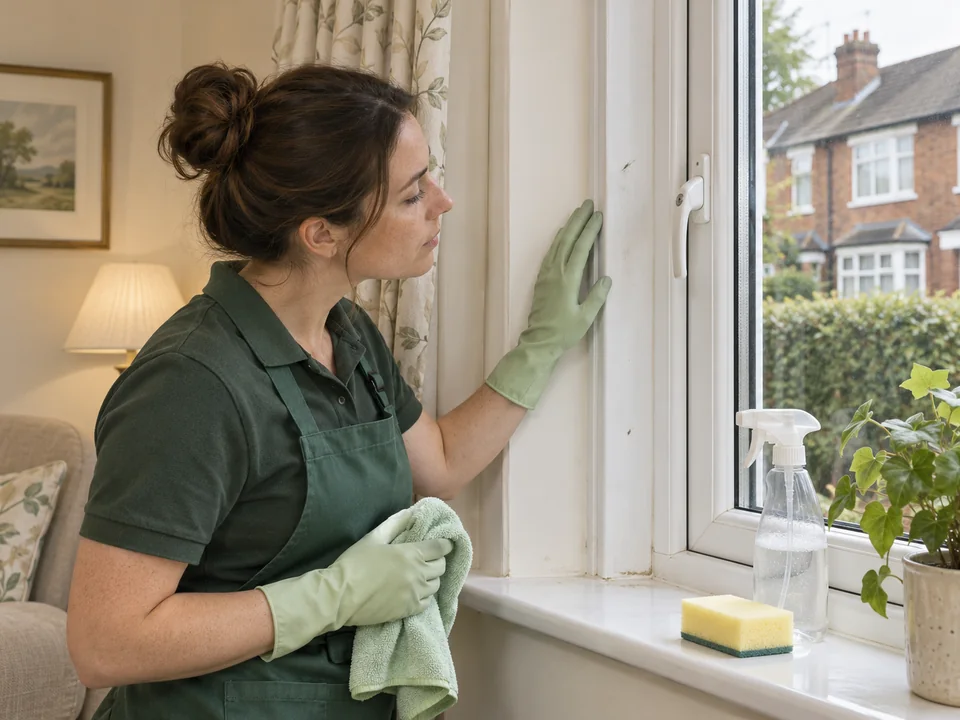
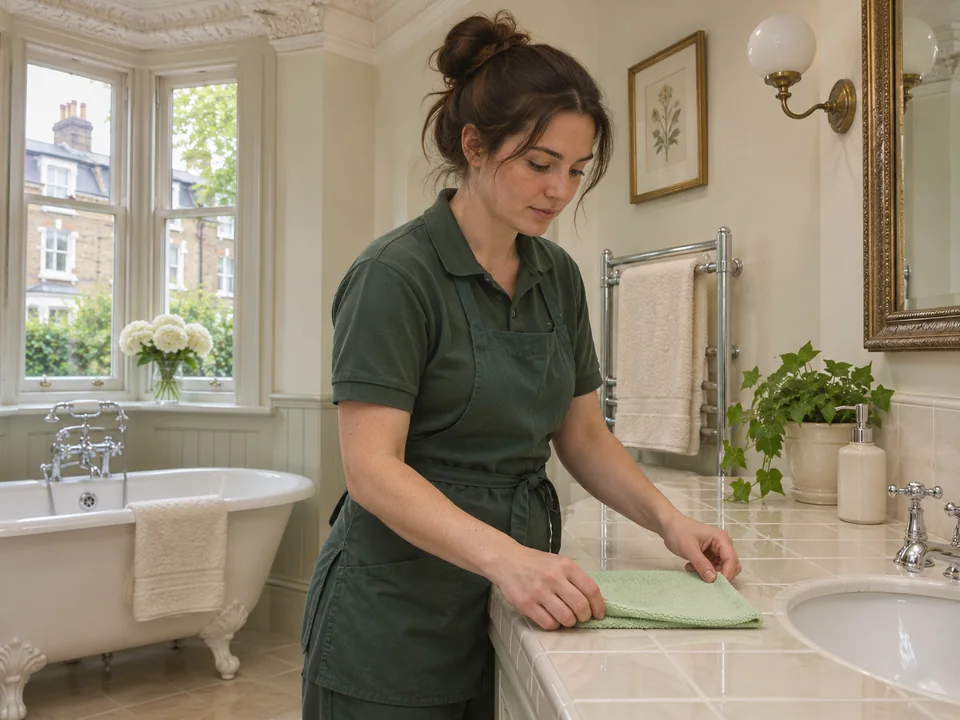
We physically remove visible mould from suitable accessible hard surfaces agreed for the job. We match the named finishes to the condition at the start, and check the preparations and boundaries discussed. Where the mark reaches material that is unsuitable for the work or cannot be viewed, we identify the limit before treating adjacent agreed finishes. We keep work within the areas that have been assessed and made accessible. This lets the property contact understand which parts of the room are covered even if more than one material appears in the original photograph.
We review the accessible areas after treatment and identify the surfaces cleaned. We discuss aftercare for the agreed work and any questions that remain for a separate person. If a mark continues behind a fitting or into a material that needs further assessment, we make that clear. We can note the affected position in relation to the room or fixed feature rather than leaving a vague description. If later work concerns the same room, keep the surface record to distinguish what was treated from any adjoining material that remained outside the visit.
Ask us to note the limits of the work if just one side of a frame can be reached. At the review, those limits help you compare the treated finish with an area that remained out of view. We use the same labels in the handover whenever possible.
| Stage | What we do | What the review records |
|---|---|---|
| Before work | Confirm the appropriate hard finishes and preparation | Agreed areas and known limits |
| Surface treatment | Physically remove visible mould from suitable accessible hard surfaces | Locations included in the cleaning |
| Handover | Review the agreed work and discuss aftercare | Areas excluded or requiring separate consideration |
Confirm the price, timing and handover together
We discuss the proposal against the room, material and actual access available. Ask what the price includes, who can accept it and whether more information is needed first. A move in the position of furniture or a new patch may change what can be seen. Tell us where it falls in relation to the recorded area before relying on the original details. Where you need another visit for an adjoining room, distinguish the tasks and any preparation still outstanding. We can separately discuss regular or one-off cleaning for rooms made available afterwards.
At the end of the enquiry, agree who will receive the assessment or handover. If that person is not the keyholder, give us both contacts and confirm who can respond to a question about the property. A short written list of rooms and limits can be shared with the property contact without turning it into a report about areas we could not see. If another professional is due to visit, name the position they are expected to consider. We can discuss timing around an earlier assessment or the return of a room to use.
Where a later choice depends on a report, ask who will supply the information and what is still needed. If you receive new findings, link them to the same room and visible position or explain that they concern a different place. We can discuss the effect on a proposed surface visit once the updated details are available.
- Clarify the named rooms and finishes covered by the quote.
- Give every separate cleaning or repair its own appointment details.
- Confirm which contact receives the review and handles further decisions.
Questions about arranging mould removal
Does a Church Lane landmark identify the entrance?
Use the full address and correct doorway. If the entrance is away from the main frontage, give the meeting point privately when arranging the visit.
Should I send pictures from before a room was redecorated?
Yes, if available. Give the date and the position of the current mark so we can distinguish older and newer observations.
How do you deal with a hard surface beside a damaged finish?
We assess the finishes separately. We agree treatment for a suitable accessible hard surface and record anything needing its own decision.
What cleaning process do you use after assessment?
We agree preparation and physically remove visible mould from the suitable hard surfaces included in the work, then review the accessible result.
Can I organise the assessment when only one room is available?
Tell us which room you can show. We discuss the first visit around that room and keep any unavailable area separate.
What information belongs in the handover?
Keep the names of the surfaces covered and any area left for a separate decision. We explain what was cleaned and what was outside the agreement.
Other Cleaning Services in Leytonstone
London mould removal service, Regular housekeeping, One-off spring cleaning
Discuss your mould removal enquiry
Mould Removal Prices in Leytonstone
Tell us which rooms are affected, the approximate size of the visible patch and what surface it is on.
Get a Quote