 Housekeeper
Mould Removal in Abbey Wood
We plan Abbey Wood mould removal around the room and the material that is actually exposed. If a mark starts beside a threshold and carries on behind a fitted item, we discuss where the accessible area ends before agreeing the work.
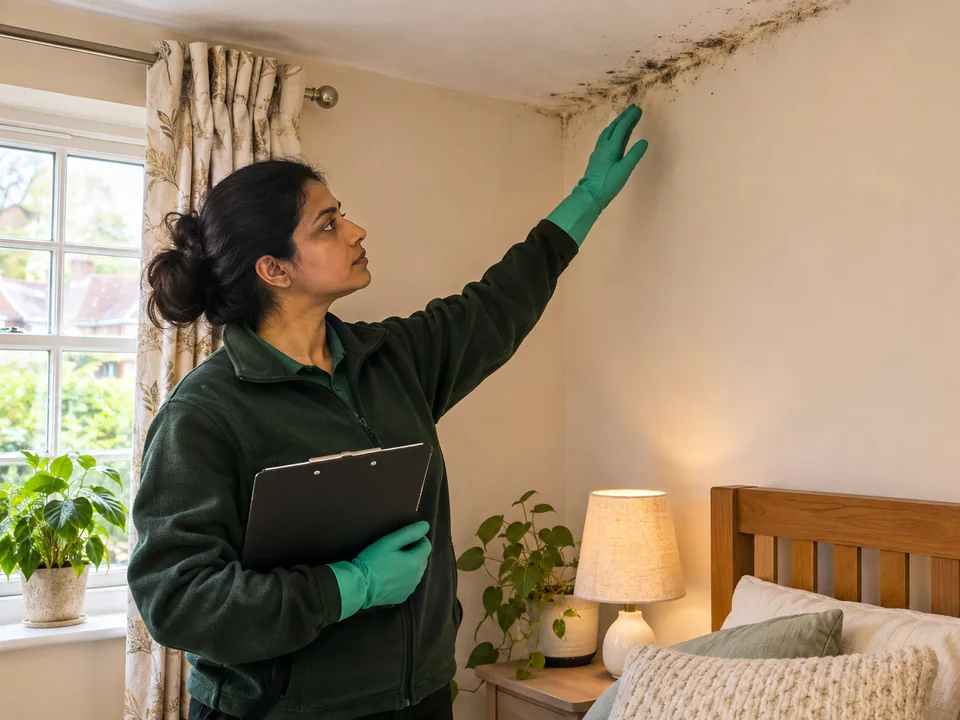
What address details should I give near Abbey Wood station?
Give the complete SE2 postcode and the physical entrance. Tell us if access to the affected room is from a different door.
Can you assess a mark beside a fitted threshold?
We look at the exposed finish and agree which parts can be reached.
Take a room brief with a visible starting point
We ask you to show the location of the visible mark using a doorway, fitting or corner as a reference. State how far it extends and describe the exposed surface. A mark beside a threshold may cross between two finishes or appear on more than one side of a door. We record each visible position and any material that appears damaged. If you only see the edge of the affected area, describe the edge and what obscures the rest. This gives us a clear basis for discussing an assessment without requiring you to expose a concealed finish.
A wider photograph can show which side of a door or fixed item lies beside the marks. A close-up can show the condition of the visible surface. Include both where possible, and identify the room if images show more than one position. Give the dates of any previous decoration or repair you know about. We can then discuss the current appearance alongside the history without assuming that earlier work dealt with every material now affected. If you have several observations from different days, label them separately before sending them.
We ask which observation prompted you to call and whether any person has already acted on it. If a wall and threshold were both reported but only the threshold can now be seen, we record that difference. Tell us which details came from another person and which you can show when someone attends. That keeps the first assessment practical and helps us discuss any additional access that still needs to be agreed.
- Give the room and finish for each visible area.
- Identify permanent features that locate the marks.
- Name areas that cannot be seen without changing the property.
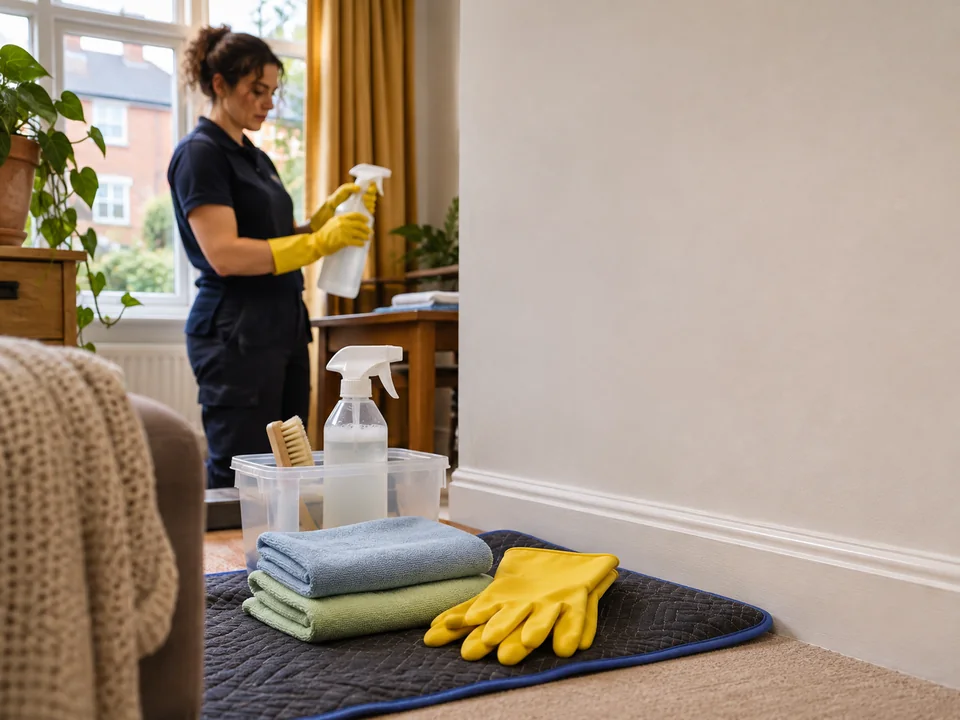
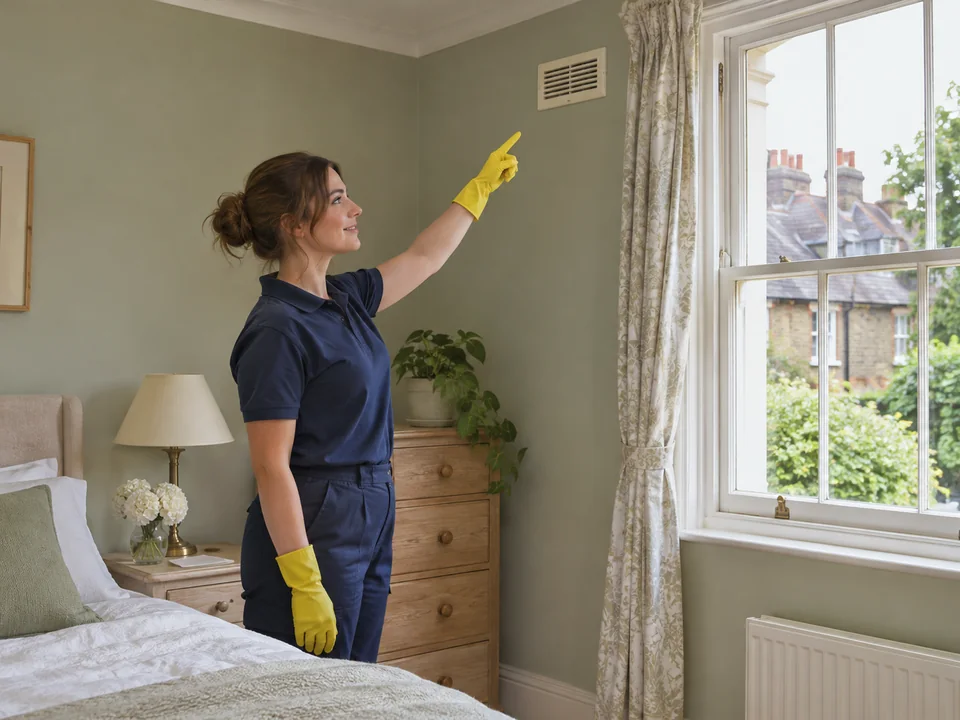
Check the route to the Abbey Wood dwelling
Royal Greenwich lists Abbey Wood station on Abbey Wood Road in SE2 and Abbey Wood Library on Eynsham Drive. A local reference may help us discuss the area but does not identify your entrance. Supply the full address, doorway and any route from the entrance to the affected room. If there is a side gate, separate key or entry through a different part of a building, tell us how that should work. We ask who will be present so the person attending can reach the floor or room under discussion.
If the usual keyholder cannot attend, confirm the person who can receive us and show the relevant areas. A site contact may be able to open a communal door without having access to the dwelling. We ask whether either route requires separate notice and what time it can be made available. Where a narrower route or stair restricts approach to the room, explain that in the enquiry. The proposed visit should reflect the access available in practice, particularly when several people have to coordinate entry.
| Part of the route | Details we ask for | Who can confirm |
|---|---|---|
| Arriving | Full postcode, street and entrance | Resident or keyholder |
| Getting to the room | Floor, approach and any access limit | Person familiar with the dwelling |
| Leaving the property | Whether keys are held or returned to a named contact | Person responsible for access |
Consider each visible material at the junction
When we review the affected areas, we distinguish the condition of an accessible hard face from a neighbouring porous or damaged material. If the mark appears along the lower edge of a frame, tell us which part is painted, tiled, sealed or made of another material. Where a lining has lifted or the backing is visible, describe that separately. The proposal needs to identify the suitable exposed surfaces rather than relying on a general reference to the room. If you are unsure what is beneath the visible finish, tell us what you can see and leave the material identification for assessment.
We also ask whether viewing a larger section would require opening, moving or removing something. A typical enquiry can consider the exposed edge while recording the areas that remain concealed. If another professional will open a section for a different reason, let us know when that is planned and whether it will affect the proposed visit. We review what is known before agreeing surface work. If a concern remains about an inaccessible area or the property condition, we identify that as a separate matter for the responsible contact.
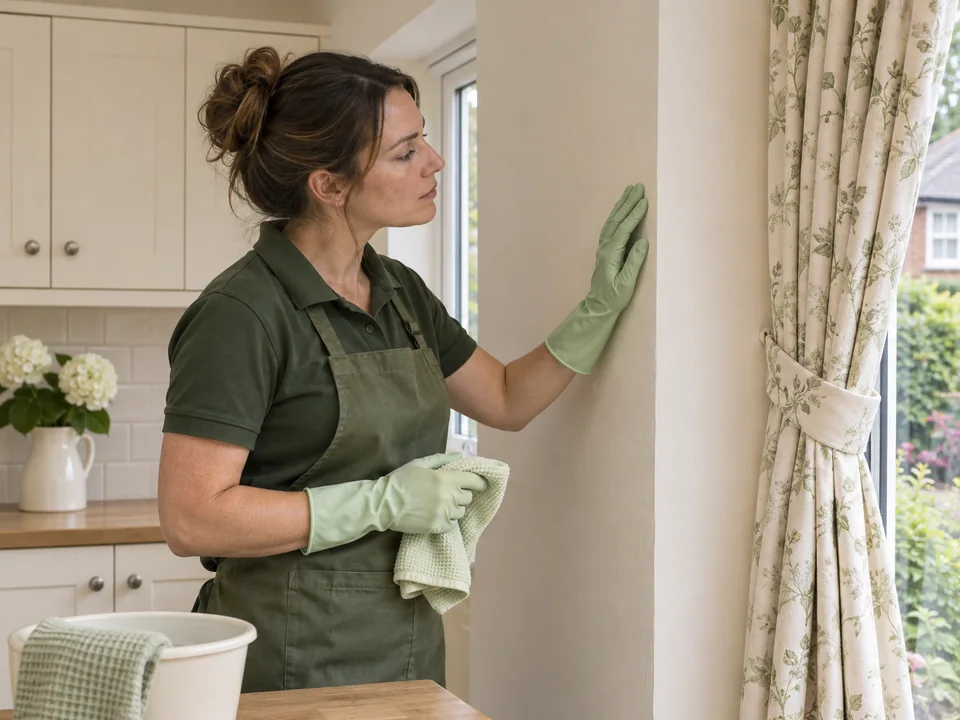
A join or boundary can be described by the direction of approach. State from which room the feature is visible and whether a separate wall or fixture continues beyond it. We consider this when agreeing which suitable exposed material can be assessed and prepared. Sometimes another person can answer questions about the construction or its history, so tell us who can be called if those details are relevant. The room record should separate present access from the reasonably anticipated later access.
| Visible condition | Detail we can assess | Boundary to agree |
|---|---|---|
| Hard surface beside a threshold | Material, room side and extent | Named accessible finish |
| Lifting on an adjacent covering | What can be seen of the exposed edge | Separate material decision if needed |
| A fitted item that hides the continuation | Position and remaining area in view | Concealed section left outside the visit |
Discuss practical preparation before work
We agree the preparation once the visible finishes and route have been considered. Tell us which belongings are nearby, what must remain in place and which parts can be reached without affecting a fixed feature. We ask whether someone else needs to approve a change to the room. If the requested work concerns a tight space, describe what it is like from the location where an attendee could stand. If the room has recently been cleared, provide an updated view so we can discuss the conditions likely to apply on the day.
We also confirm how the household will use the affected room around the appointment. Say if you can make only one side of a doorway available or if the route leads through a shared room. If a resident needs to use that space at certain times, let us know before arranging the appointment. We can discuss the access window and agree which position should be assessed first. Where a room becomes unavailable after booking, tell us before the date so we can identify how that changes the visit arrangements.
- Name the fittings and contents that should stay in place.
- Tell us where an attendee can approach the finish.
- Give the access times and any scheduled change to the room.
Physically remove visible mould from the agreed hard surfaces
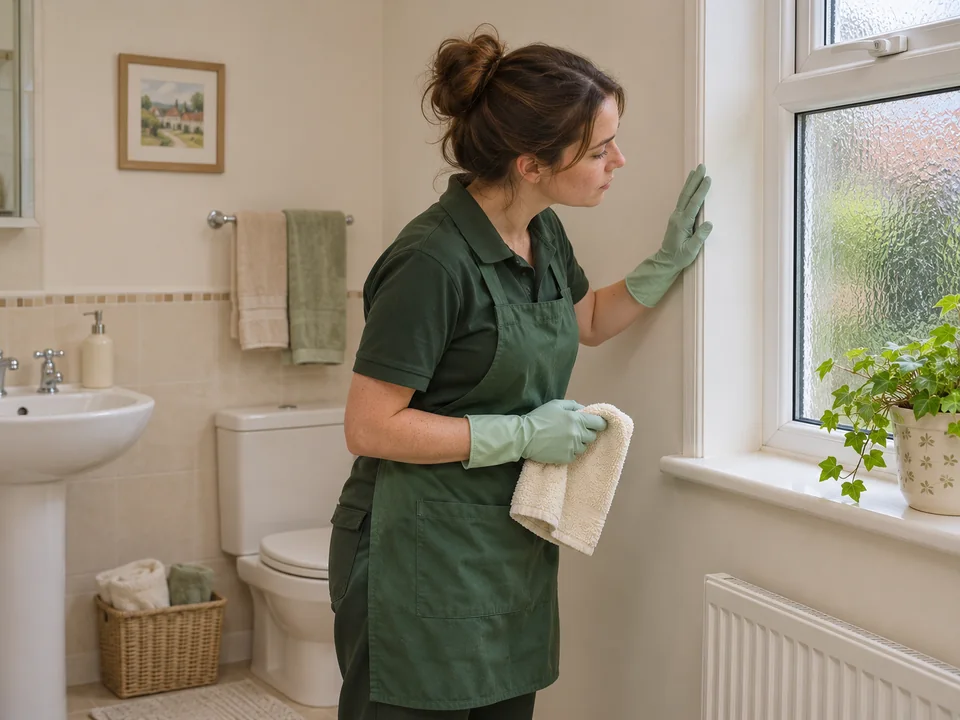
Before work we check the named exposed finishes and confirm the preparation agreed for them. We physically remove visible mould from the suitable accessible hard surfaces included in the job. A mark extending onto an adjoining material can need its own decision, especially if that material is concealed or visibly damaged. We discuss the boundary before treating an area that differs from what has been agreed. Where a threshold or other fixed feature divides two finishes, we confirm the surfaces named for cleaning with the relevant contact.
After the work we review the accessible areas and describe which finishes were treated. We note any part left outside the agreement because of its material, condition or access. We discuss aftercare for the cleaned surfaces and explain what remains for the person responsible for the property to consider. If a concern continues into an area we could not see, retain the location and description so a different professional can identify it for their own visit. We give the outcome to the agreed contact so the work and remaining questions are understood separately.
When we review the work, we can describe it by the side of the threshold treated as well as by the finish. That is useful if the other side was reported in the same enquiry but remained inaccessible or needed a different decision. If access or condition changes afterwards, keep the position description with the date and tell the office whether the change affects the area treated or an adjoining part. We can then discuss what the next appointment would need to look at.
| Stage | Our work | Result for your records |
|---|---|---|
| Preparation | Confirm accessible finishes and room arrangements | Named surfaces and restrictions |
| Treatment | Physically remove visible mould from agreed suitable hard surfaces | Where cleaning was carried out |
| Review | Check the work and discuss aftercare | Areas excluded and any separate property question |
Confirm the assessment, price and follow-up with your contact
We discuss the price against the description and access available. Ask which area the proposed assessment or treatment covers and what further information could help before a quote can be confirmed. If a second room affects the cost or timing, explain how it can be reached and how the condition differs. If the enquiry is going through an owner or agent, give us the name of the person able to accept the proposal. An attendee who is only authorised to open the property may need a separate contact for changes.
We keep any extra cleaning as a separate conversation. If a move-out clean is also needed, share the checkout date and room list. If you want one-off cleaning after other work, ask which rooms can be made available and when. We understand the timing once the affected finishes have been considered and any separate decisions are clear. If the appearance changes before the first appointment, send an updated description using the same room names. That helps us identify the new area or finish without confusing it with the previous record.
Tell us if a previous quote was based on a photograph of a wider area than you can now see. Agree which finish should be checked in person before surface work is confirmed. If another part of the property still needs attention, ask how it will be described in our handover. Share the result with the person arranging the next step so they know which area the assessment or cleaning covered.
- Check whether the proposed price relates to assessment or agreed work.
- Keep separate arrangements for other room cleaning or property work.
- Confirm who can receive the final review and make further decisions.
Questions about arranging mould removal
Why do you need an entrance description near Abbey Wood station?
The local reference helps orient the enquiry. We also need the full address and the actual door or route that leads to the affected room.
Can a photo show you a mark on both sides of a threshold?
A wider view can show the relationship between both sides. Describe the material and visible mark independently for each side.
What if only a small edge is visible behind a fitted unit?
We can discuss assessment of the exposed edge and record the hidden area as an access limit.
What cleaning do you do after agreement?
We physically remove visible mould from the suitable accessible hard surfaces named for the visit and review those areas afterwards.
Can the person providing entry leave before the final review?
Agree that ahead of time and confirm who is authorised to receive the outcome or respond to any practical question.
Can a separate visit be arranged after another trade changes the room?
Tell us which finish will change and when. We can discuss what can be assessed once the new condition and access are known.
Other Cleaning Services in Abbey Wood
Mould removal in London, End of tenancy cleaning, One-off spring cleaning
Discuss your mould removal enquiry
Mould Removal Prices in Abbey Wood
Tell us which rooms are affected, the approximate size of the visible patch and what surface it is on.
Get a Quote