 Housekeeper
Mould Removal in Arnos Grove
We take the Arnos Grove address and affected room details first, then discuss whether we need to see the visible finish before pricing the work. When a reachable hard surface is suitable, we agree the working area, prepare around it and physically remove visible mould. We check the area afterwards and explain any separate assessment or property work still to be considered.
Plan your enquiry
Can I ask about a room above a Bowes Road shop?
Yes. We need the full N11 address and the separate entrance if there is one.
How do you consider a high ceiling?
We check the visible area, working height and access before agreeing whether it can be cleaned.
Confirm the affected room and the person arranging access
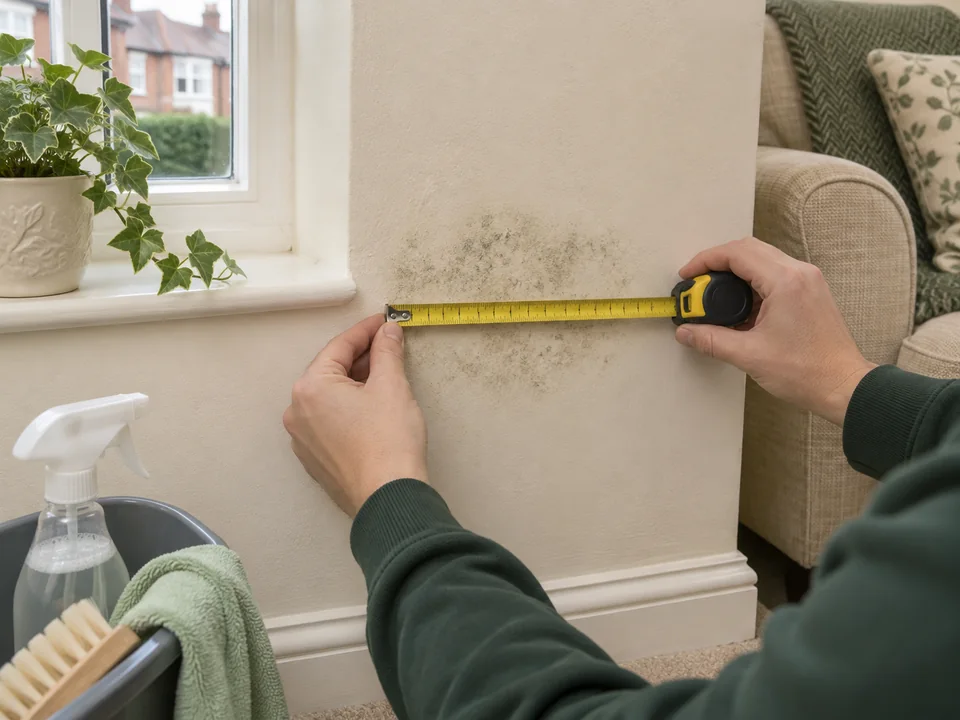
We begin by recording the affected rooms separately. Tell us which floor the room is on, what surface the visible mould is on and how far the marks appear to run. We ask whether you know what the finish is made from and whether it looks intact. If the appearance has changed over time, we note when you first saw it and what can be seen now. If a room does not have a clear name, use a window, door or familiar fitting to identify it.
A wider photograph can show where the surface sits in the room, while a closer view from a safe position may help us distinguish one finish from another. We can also work from a description if a photograph is not possible. Tell us if a wall is hidden behind furniture or if you can see the affected area only from a staircase. We discuss whether a visit to assess the surface is needed before work is quoted.
We also confirm who can open the door and whether they can approve the proposed work. If an agent arranges the visit but a resident shows us the room, we agree a contact for either decision. If the enquiry concerns a landing, hallway or another shared part of a building, we confirm who is authorised to make that area available.
- We collect a separate description for each surface.
- We confirm which areas are visibly accessible.
- We identify who can approve and arrange the visit.

| What we ask | How it affects the enquiry |
|---|---|
| Room and floor | Locates the wall or ceiling and explains how it can be reached |
| Visible finish | Helps us discuss if a separate material assessment is needed |
| Changes in appearance | Gives context for comparison during the visit |
| Contact responsibilities | Shows whose approval and access are needed |
Agree the way in near Bowes Road, Brookdale or Arnos Road
Enfield's planning documents for the area around Arnos Grove station distinguish the houses on Arnos Road and Brookdale from mixed-use properties on parts of Bowes Road. The street name is useful, but we also need the exact full address and the door used by the occupier. Tell us whether a visitor goes directly to the property or through a separate entry. If a business faces the street while the home has a different door, give both the postal address and the practical arrival point.
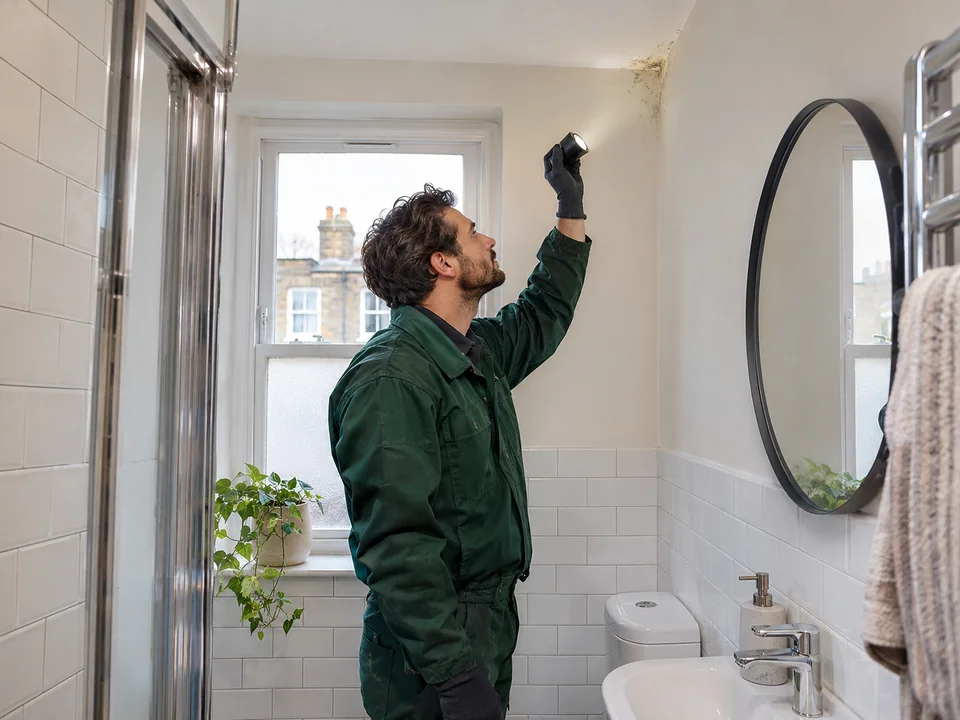
We use the access information to understand how the room can be reached at the time agreed. Mention steps, a change in level after the building entrance and any doors that require another key. If the affected area is above a landing, give the ceiling height as closely as you can from a safe position and say where there is a level place below. We discuss any restriction before agreeing how the area would be assessed.
If neither person arranging the quote nor the person who reported the problem will be there, we ask who knows where the affected area is. Give them the same room labels and original description before the visit. We can refer to the record with them at the property rather than relying on a new description of rooms with similar names, materials or fittings.
- We confirm the useful arrival point as well as the postal address.
- We review how to reach the relevant floor or ceiling.
- We identify the person who can show us the affected location.
Assess which wall and ceiling finishes can be cleaned
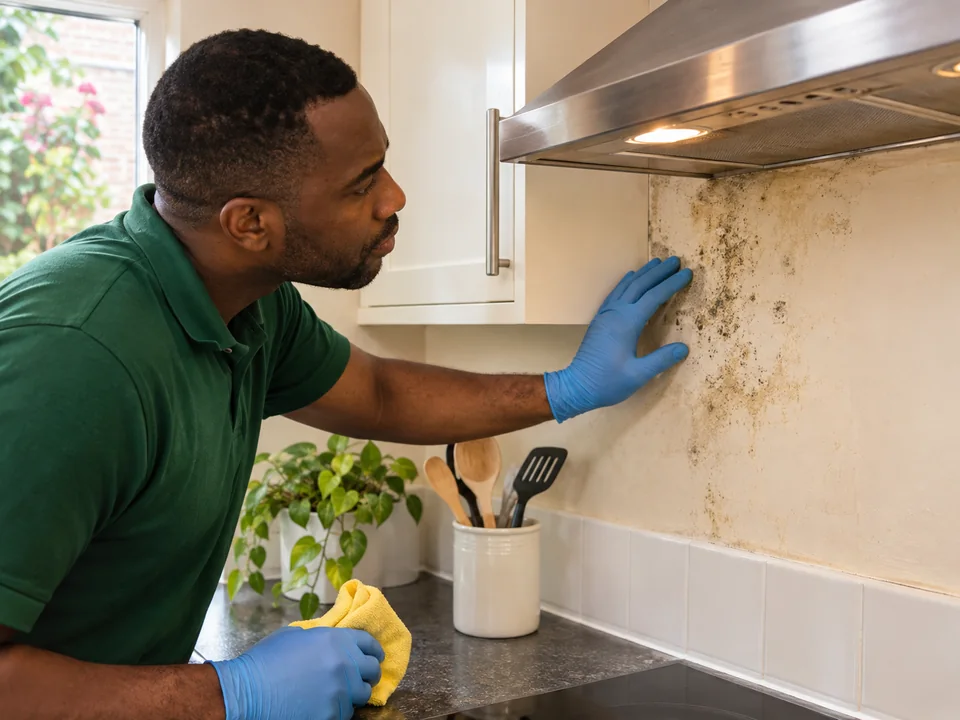
At assessment we consider the extent and condition of what is visible. Where a mark starts on a hard wall face and crosses a seam or joint, we treat those as distinct parts of the decision. We check whether the surfaces can be reached and which ones are suitable. A loose or changed material can require a different decision before cleaning. Its visible condition is noted separately from the request to clean the adjacent accessible, sound surface.
An affected line above a window may include the upper trim and part of the painted wall. We confirm which area is included and check the conditions needed to prepare underneath it. If the finish is hard and suitable but the room layout blocks access, we explain what needs to be agreed before committing to the work. Any assessment of a hidden area or concealed damage may need its own arrangement with whoever controls the property.
We check any earlier repair information you've provided against the affected location. A recent report of water in the room can raise a further property question. We establish what is visible, which materials are affected and whether there is a separate investigation in progress. This helps us describe a suitable surface clean on its own and identify what the property contact needs to resolve independently.
| Surface or position | What we look at | What we agree |
|---|---|---|
| Sound painted wall | Reach, extent and adjacent materials | The accessible hard faces that can be cleaned |
| Ceiling edge or upper trim | Working position and changes of finish | Which parts can safely be included |
| Loose material near visible mould | Condition and what can actually be seen | Whether another assessment is required |
| Wall behind a fixed item | Visible section and access to the remainder | Which areas are inside the work agreement |
Prepare the working area and remove visible mould
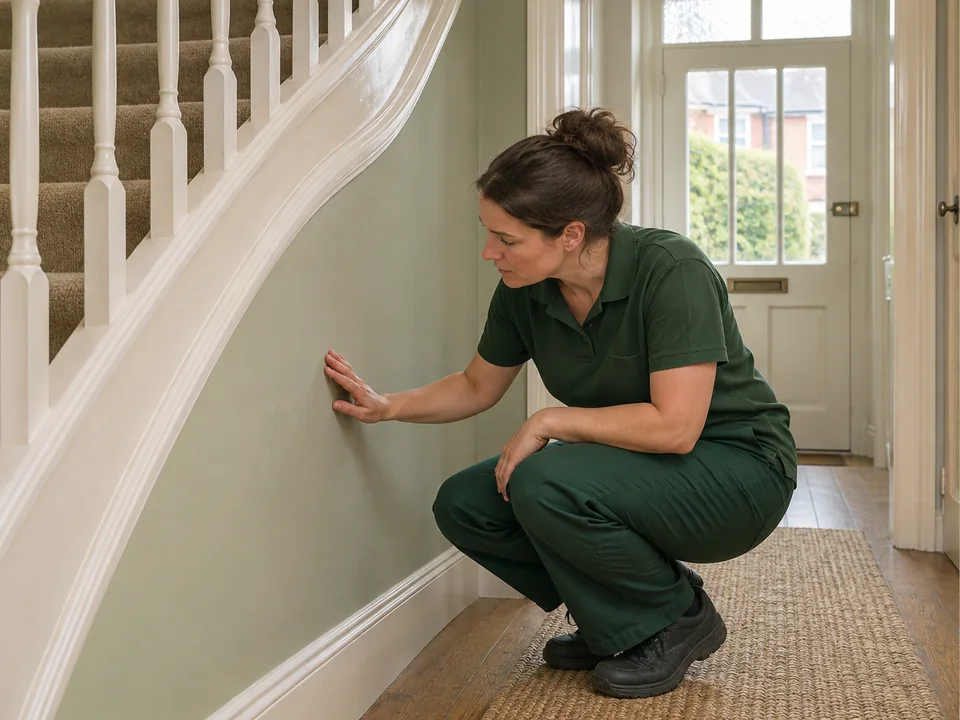
Once we have agreed the suitable surfaces, we identify the working boundary with you. We check the route to the room, where the work can take place and which items can remain where they are. If you need to use the room during an agreed period, tell us so we can discuss access around it. Preparation should relate to the actual surface, so we check whether a second patch, adjacent finish or fitting changes what has been agreed.
We physically remove visible mould from the suitable accessible hard surfaces covered by the visit. We work within the agreed boundary rather than treating every nearby mark as part of the same job. If the area or material is different from the initial description, we explain what we have found and discuss how to proceed with the contact responsible for the work. This makes it clear when a separate assessment or change to the visit is required.
After cleaning we review the visible areas worked on and check them against the agreement. If there was a part of the wall or ceiling that we could not access, we identify it separately. We discuss anything that may need another visit or a different property professional and record the relevant location in words the person managing the property can use.
Where several connected areas can be reached, we confirm their order during the visit. For example, a visible section on the ceiling may need to be considered separately from a wall face below it. We go through which areas are included before clearing the space around them. If a resident needs a different room available at a certain time, say so before the appointment. We can then discuss whether the rooms can be made available in sequence and who can be contacted if one is still in use.
We keep the descriptions of the individual surfaces with the work agreement. This is valuable when the same room contains a suitable hard finish and adjacent material that requires a different decision. We identify what can be cleaned, prepare the relevant space and leave the unresolved portion for the person responsible for that decision. At the end of the work we can refer to the record so the customer can see how the completed areas relate to their original description.
If the customer notices another visible mark during the visit, we first establish whether it is on a suitable surface and reach it only after checking whether it belongs to the agreed work. We identify any relevant change in material and discuss what would be needed to consider it. The room list can then be reviewed with the person who can approve additional work.
- We confirm the intended boundary before preparing.
- We clean the agreed accessible hard faces.
- We review what was cleaned and discuss any limits.
Agree what information leaves the property with the customer
At handover, we identify each area attended to and distinguish it from any surface that still needs assessing. If the work was arranged by a person who could not be present, we agree how to report back to them. A retained room list, notes of what was visible and the final description are useful when an occupier later asks which areas were included. Building repairs, investigation of hidden material and any other work remain separate enquiries.
If a different cleaning visit is being arranged, discuss its rooms and timing on its own. We can use the information about access to make clear which part of the property can be made available for one appointment and which part needs its own arrangement. When you are ready to call, use the booking page to collect the full address, the affected room, approximate size and any known change in condition. The office can then discuss how the visit can be arranged.
| At handover | What we confirm |
|---|---|
| Work completed | Which visible areas were cleaned |
| Other areas | Which surfaces were outside the agreed work |
| Access arrangements | Who should be involved if another inspection is needed |
| Property questions | What has been referred back to the responsible contact |
Changes we discuss with you before adding work
If an earlier visit has changed how the area can be reached, tell us before we confirm the new appointment. For instance, a shelf may have been removed and a section of wall that was previously hidden may be visible. We take that as a fresh item to assess and check whether its condition is comparable to the surface contacted about first. The proposed work can then be described with both locations clearly identified.
We also ask what should happen if a room is unavailable on the day. If a keyholder can grant access at another time, we record that arrangement and check whether a visit still covers the remaining areas. We will use the agreed room list to explain which locations can be cleaned during the available appointment. This helps the person responsible for the property plan the next discussion around the room that remains outstanding.
Questions about arranging mould removal
How do you place an Arnos Road room in the enquiry if several rooms face the same way?
Give the floor, opening or fitting and the surface you can see. A room label and wider view help us find the same location on arrival.
Do you need permission to view a shared landing above our flat?
We check who controls the shared area. Tell us who can authorise the visit and who will be there to open the route on the day.
Can I include a separate mark that only became visible after a fixed item was removed?
Tell us which area is now visible and what was moved. We review it as its own surface before including it in the work.
What should I give you about a high mark just inside the entrance door?
Describe the height, surface and clear area beneath it. We discuss what can be assessed before confirming the visit and its limits.
Do you cover the wall immediately beside a different affected finish?
We assess the two finishes and agree which suitable accessible hard surfaces the visit includes. The decision about an adjacent surface depends on that assessment.
Can the person meeting you use my notes if I am working elsewhere?
Yes. Give them the room and surface details and name the person who can approve changes before the appointment.