 Housekeeper
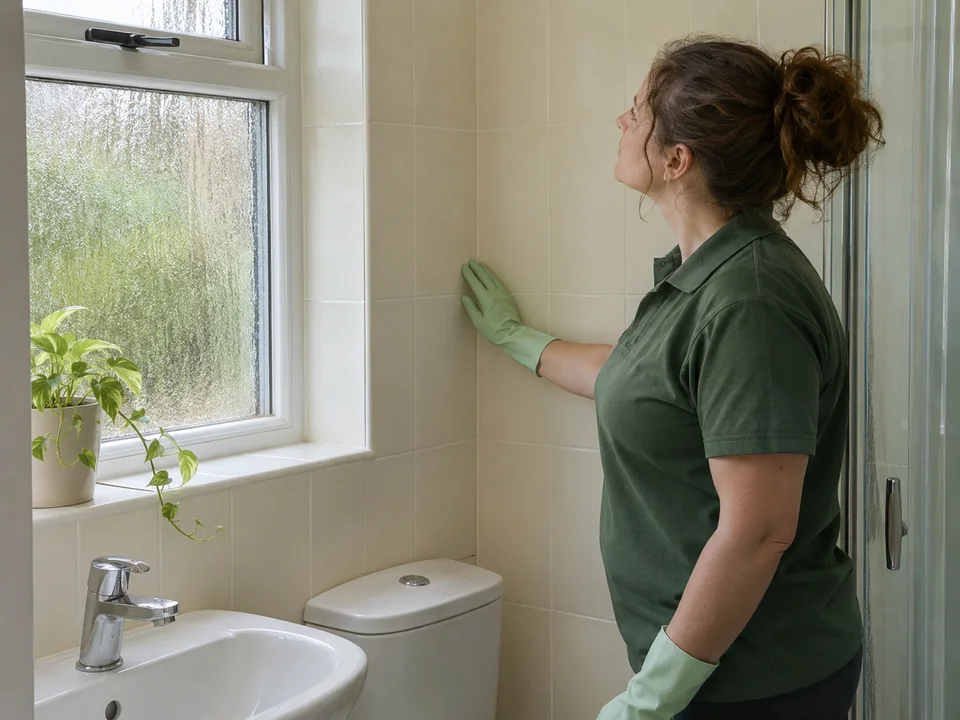
Mould Removal in Twickenham
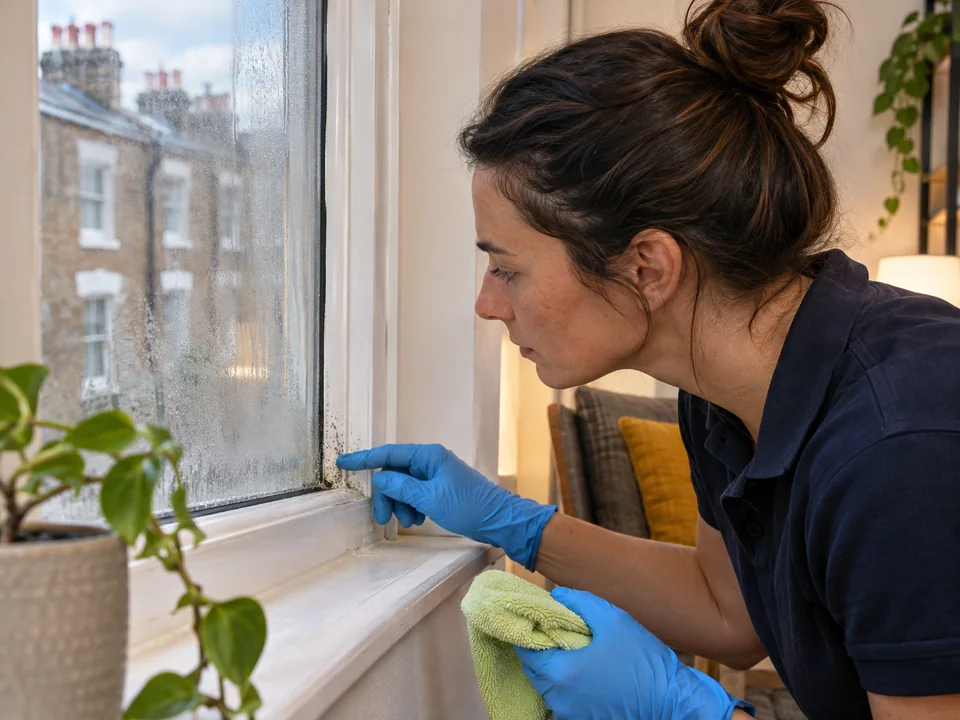
We start a Twickenham mould removal enquiry by locating the affected surface and confirming how we can reach it. On an agreed visit, we assess the visible finish and confirm which areas can be prepared for cleaning. We carry out the work on the agreed surfaces and go through the outcome with the resident or property contact, so they know which areas were covered and which need another assessment.
Is TW1 or TW2 enough for a Twickenham enquiry?
Give the full postcode and address so the office can confirm the property.
What if the building entrance is down a lane?
Name the lane or nearest junction and explain how the visitor reaches the door.
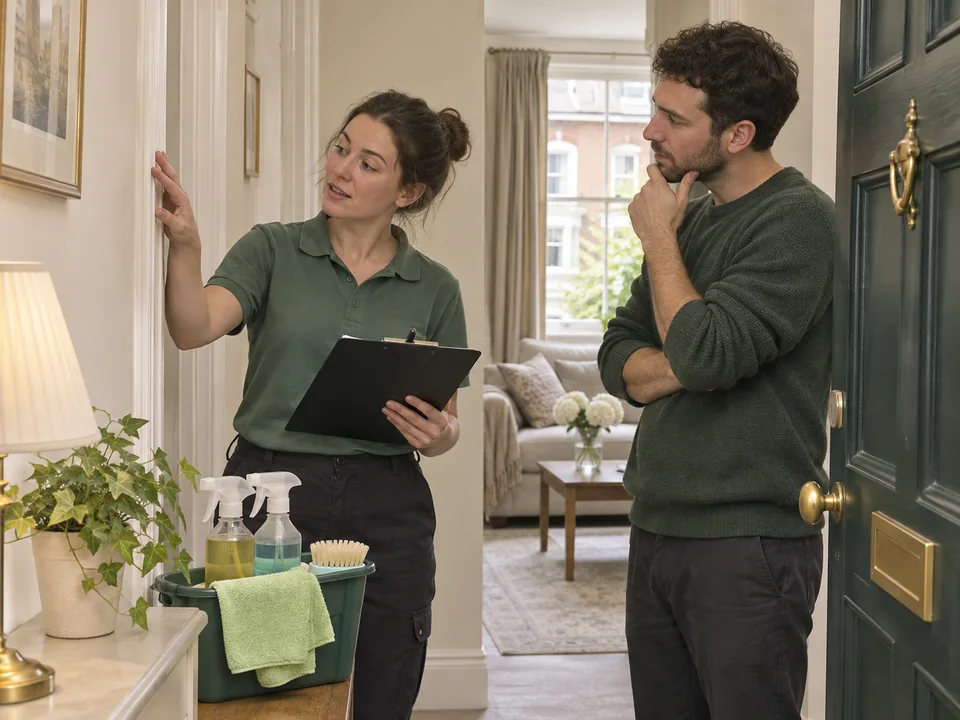
Give the address and a clear route from the street
Richmond Council's appraisal of the Twickenham Riverside conservation area describes the Church Street and King Street layout and the narrow routes towards the river. If you are arranging a visit in that part of town, explain where the property's door is relative to the address and how the last part of the route works. A building can face one street while the door to a flat is reached from another. Give the exact number or building name, full postcode and flat or floor before adding instructions about where to meet.
If a side route is narrower, stepped or shared, mention it when discussing the enquiry. Tell the office if there is an easier way to the same door and who can open it. For a property with a shared courtyard or entrance, check whether an occupier, agent or another person controls access at the proposed time. The person taking the call needs enough information to discuss arrival without making assumptions based on the postcode or the name of the nearest road.
Carry the directions through to the affected room. Give the floor, the room name and any step or door that affects the route. If the marks are above a staircase, tell us what the landing is like and approximately how high the area is. If the affected wall is behind a tall unit, say whether the area can be seen without moving anything. Treat any instruction about moving items as a separate question to agree before the visit.
- Give the full address and identify the door visitors use.
- Mention any steps, lanes or shared entrances that affect access.
- Describe the route to the room as well as to the property.
| Where | What helps the office |
|---|---|
| Street | Full address and a meeting point if needed |
| Entrance | Door location, gate or label and who can open it |
| Inside | Room, stairs, floor and working position |
| At the surface | Visible area, height and what blocks access |
How we set the limits of a surface clean
When the marks extend across more than one finish, we check the condition of each accessible face before agreeing work. We prepare the immediate working area and confirm what can stay in place. We physically remove visible mould from the suitable hard surfaces included in the visit, then explain the visible result and the boundaries of the work. If a fitting or another finish blocks access, we discuss how an assessment of that area could be arranged.
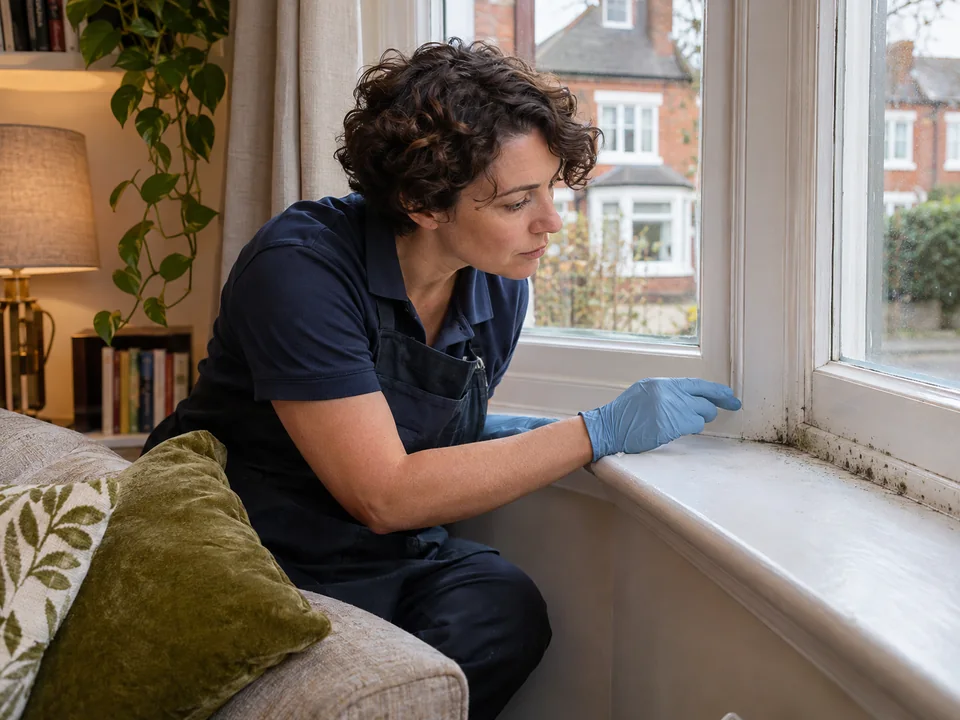
Name the affected part of the room before you estimate the size. For a mark around a window, distinguish the surface immediately beside the frame from the section of adjacent wall. If it is on the ceiling, explain where it sits in relation to the wall or a larger fitting. Take a wider photograph first if practical, as reference points are easily lost in close views. Give an approximate length and height for a wall area, or describe the extent of a ceiling mark from a safe position on the ground.
If the mark crosses from one material to another, report what you can see on each. The finish on a panel may be different from the lining or paint next to it. Tell us if any edge has lifted or if you have seen a visible change in the shape of the finish. Give any known information about previous redecoration or repairs. Decisions about an intact, accessible surface can be discussed separately from questions about damaged or concealed material.
Where the room is furnished, separate requests about possessions from the request about the building surface. Name the item and describe whether it prevents anyone from seeing the wall. If you also want the item considered, say so explicitly. That allows the office to discuss each task and avoids a quote for one area being assumed to include all furnishings close to it.
- Measure or estimate each visible patch separately.
- Say which finishes appear to be involved.
- List any neighbouring items only if you want them discussed.
| Surface in the room | Information to provide | Question to explore |
|---|---|---|
| Visible paint or trim | Where marks begin, visible size and condition | Can an accessible surface be assessed? |
| Loose covering or altered finish | Which material appears changed and when it was noticed | Who should consider the material first? |
| A surface behind a fixture | Visible area and limitations on access | How can inspection be arranged if needed? |
Bring the history of repairs into the discussion
If water entered the room or repairs took place nearby, keep the event separate from the date the marks were first noticed. Give both dates where possible. Explain if a repair was confirmed or if you have only been told that someone visited. This is useful when the office is discussing visible work, because a report of a changed surface may raise a building question that requires another person to look at it. A description of the finish gives the person receiving the enquiry context without assuming an underlying cause.
If the appearance has changed over time, put older and newer images in order. Note if there were changes to the use of the room, if a fitting was replaced or if the affected area was previously redecorated. If only one person saw the original condition, say who can explain the history and what can be confirmed. Give approximate dates rather than presenting an uncertain date as exact, especially if the enquiry passes through an agent or property manager.
When the room is in a rented property, explain whether the owner or agent has already asked for an assessment. Ask how any building question will be communicated if it is outside the agreed cleaning visit. Keep your access notes and room descriptions available so a person who has not been to the property can identify where the enquiry relates to. The same record can be used for follow-up if two people are arranging different parts of the work.
- Separate dates for water entry, repair and first visible marks.
- Explain which repairs have been confirmed.
- Record who can answer questions about the building.
Coordinate a mould enquiry with other work at the address
If another visit is planned for the property, give the timing and explain whether it affects when the affected room can be seen. A move-out clean might involve an empty property later in the week, while an assessment needs a tenant or an agent to give access before the keys are handed over. Ask how the arrangements relate to one another. A specific handover time can make this discussion easier, because the office can take it into account when talking through what is actually possible.
For regular housekeeping, say which rooms may need to be left out until a separate assessment or building matter has been handled. You can also enquire about other work, such as an oven clean, using a separate description and any timing details. Ask for each visit to be outlined on its own so the householder can see which rooms, items and tasks have been discussed. If you have agreed only to ask for a surface assessment, keep that purpose clear in the general cleaning instructions.
It may be helpful to schedule a discussion about access once you know which other work is happening. If a fitter or decorator needs the room, explain who controls the appointment times and what should be left available for inspection. Give a contact who will be able to answer questions if the original person is unavailable. If a quote is being requested on someone else's behalf, confirm they have the correct version before arranging access or changing the work list.
There is often a practical decision about how long one room can be made available. Tell the office about a fixed period, such as the appointment of a building contractor or the time a resident needs to leave. If the room has to stay accessible to someone else, check whether they need to be alerted to a visit. Describe which doors have to remain open and which can be closed during the discussion. An assessment may depend on being able to see the whole location you have described, so confirm if only part of it will be accessible.
Give a contact who knows what the room looked like before any recent work. If different people saw it at different times, keep their descriptions separate and identify which surfaces they could see. Photographs taken before a fitting was moved can be useful for locating the marks but may show a condition that has since changed. Say what can be inspected now and which questions would depend on an additional visit. This can be particularly useful if a keyholder is arranging access but the resident is away.
When a property is being prepared for someone new, find out who will keep the notes for any future visit. Retain the room labels and access description alongside the visit information. The next person can then tell which part of the property was discussed and whether any decision on a particular wall or ceiling remains open. If someone has arranged a separate repair, add the date and the responsible contact rather than combining it into a record of cleaning work. These distinctions give the people arranging access a realistic picture of what has been agreed.
| Other arrangements | What to clarify first |
|---|---|
| Move-out inspection | Checkout deadline and who holds the keys |
| Regular cleaning | Which rooms or surfaces stay off the work list |
| Building work | Which fittings or materials may be involved and when access is available |
| Follow-up | Who can see the agreed work and respond to outstanding questions |
Get the proposed visit and quote clear before confirming
Ask what the proposed visit is meant to cover. A discussion about the accessibility and condition of a surface can be an initial step before work is agreed, while a price for a particular surface should identify it clearly. Confirm who can ask about extra work if another area has become visible or the condition is different from the first description. Ask how any further visit would be handled and who can decide if a building specialist should be involved.
When you are ready to call, have the postcode, affected room list, access details and a note of earlier changes to hand. Use the booking page if you want to collect the information first. Mention timing with any inspection or another service and identify the person who can open the property. If you make a change to the enquiry later, describe the new item separately and check the revised appointment details.
Questions about arranging mould removal
Can I give the name of a Twickenham lane if my actual address uses King Street?
Yes. Give the complete postal address first and then identify the lane used for the entrance. Explain how to find the residential door.
How do I explain that the downstairs mark sits below an upstairs window?
Give both room positions and say what you can see in each. Describe any repair information you know and ask who can consider the connection if needed.
Can I request a quote with a rough estimate of the patch size?
Yes. Estimate it from a safe position and say that it is approximate. Give the room and surface so the office can discuss whether more information is required.
Who needs to approve access to a locked entrance used by multiple residents?
Ask the person responsible for that entrance and tell the office who can open it. Confirm entry to the affected room separately.
Do I need to list household items close to the wall marks?
Mention an item if it limits access or if you want it considered. Describe it separately from the surface enquiry.
What should I say if a previous report predates redecoration?
Give the approximate report and decoration dates, alongside what is visible today. If you have a dated image, label it so the two conditions can be distinguished.