 Housekeeper
Mould Removal in Whitechapel
We plan a Whitechapel mould removal visit around the surfaces we have been asked to see and who can make each one available. We start by recording the room positions, finishes and actual visitor entrance. At the property, we consider the accessible area and confirm what is suitable before preparing it for the agreed clean. After the work we identify the areas attended to and explain who should follow up if a building or moisture question remains.
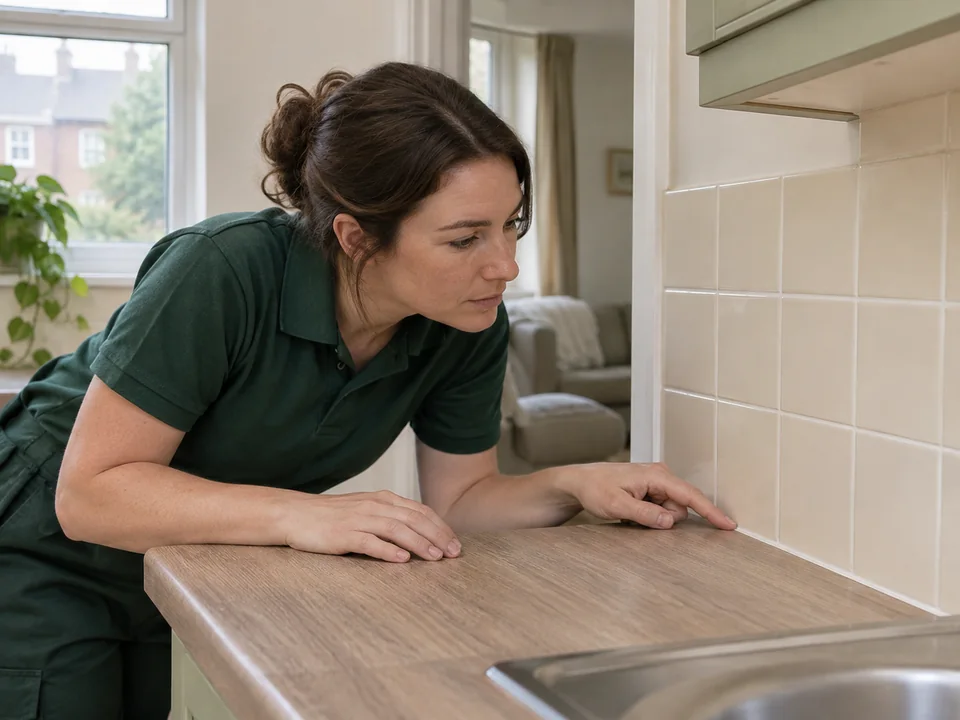
What do I provide for an E1 address above business premises?
Give the full postcode and identify the door used for residential access.
Can I ask about more than one room?
List each room and estimate the visible area separately so the quote can be discussed clearly.
Map the route from Whitechapel Road to the affected room
Tower Hamlets' Whitechapel High Street conservation appraisal identifies Whitechapel Road and Commercial Road among the strategic roads. Use the road name in your postal address, then explain exactly how someone reaches the property. Give the building number, flat or unit, complete postcode and the name on the entrance where it helps. If the door sits on a side street or is reached through a courtyard, say so at the start of the enquiry. You can confirm the appropriate way to share entry codes before sending them.
Once you have described the front door, describe the route after it. A mould enquiry for a room on one floor may involve a lift, a second locked door or a staircase between two levels inside the property. If the issue concerns a room above a business, explain whether any access goes through the premises or whether residents use an independent route. Mention who can meet the visitor and what times that person can be there. People sharing a building can often save a call by agreeing this before asking for a date.
Consider who is actually arranging the visit. A property agent might have a named contact on site without being able to open the affected room. A tenant may be able to show the surface but need approval from the party responsible for the building before work can be discussed. Explain both positions so the office can understand what information is available now and who may need to answer a question later.
- Give the full postal address and identify the visitor entrance.
- Say which person can open the affected room.
- Explain known restrictions on the route from the door.
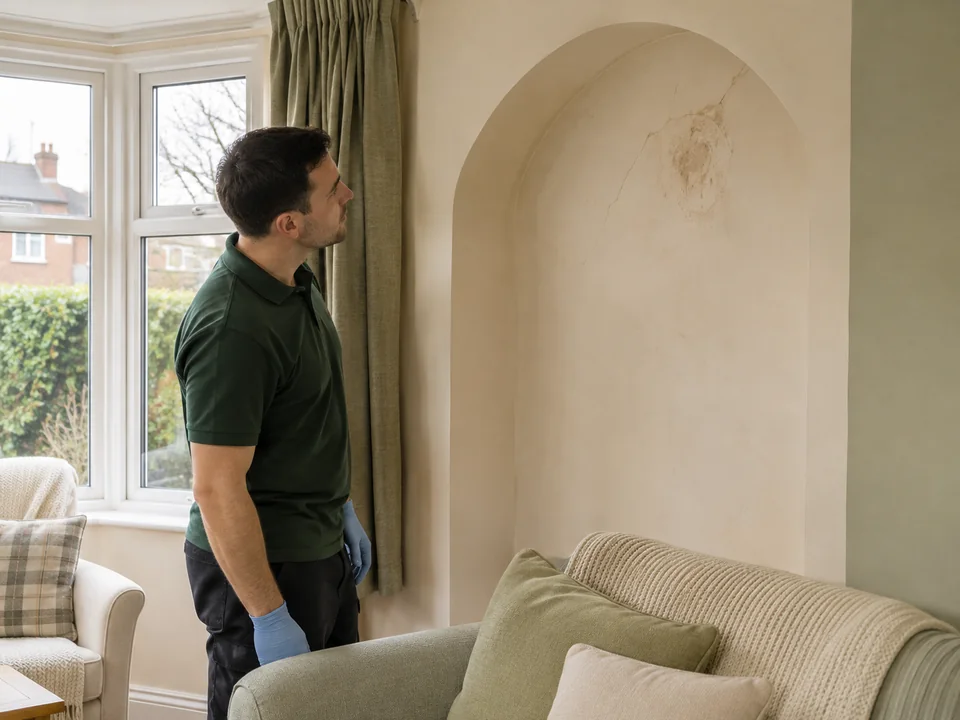
| Stage | Detail that helps |
|---|---|
| Arriving | Street, door, entrance name and full postcode |
| Entering the property | Lift, stairs and any secondary entrance |
| Reaching the surface | Room availability, height and obstructions |
| Approving work | Name or role of the person who can agree what happens next |
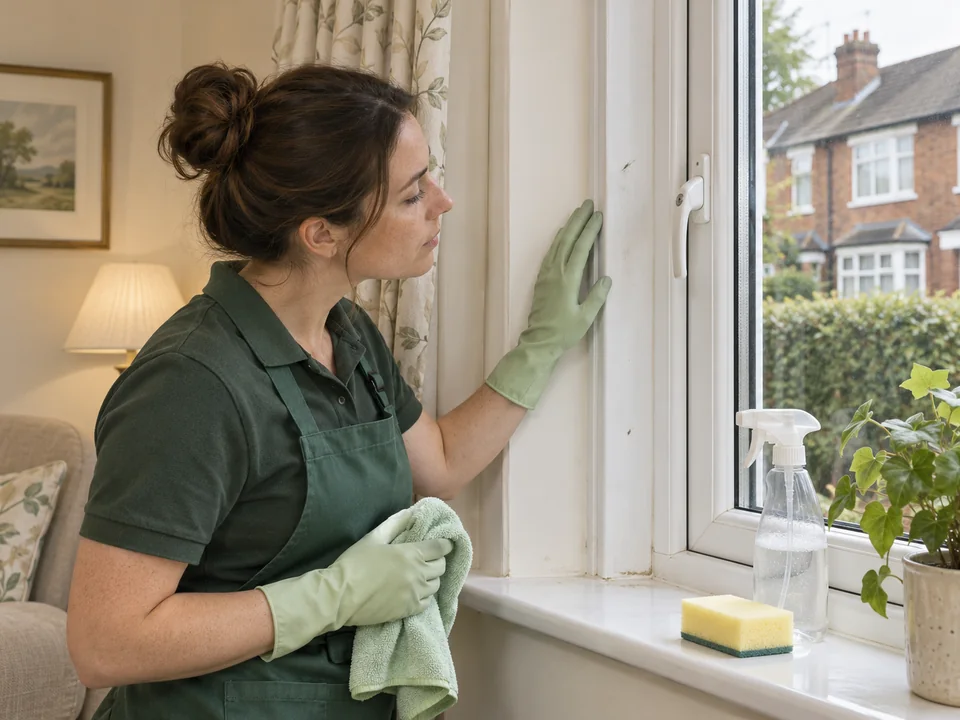
How we organise work around a visible surface
Before cleaning, we check the boundary of the agreed area and distinguish the affected finish from any loose or damaged adjoining material. We discuss any change to the quote with the person who can approve it. Once the work has been agreed, we prepare the accessible area, physically remove visible mould from the agreed hard surface and check it with the customer or property contact. Where an area is hidden, its condition remains a matter for separate assessment.
A short room record makes it easier to see whether an enquiry covers one area or several. Start with the surface type and getting its position right. Note approximately how wide and high the visible marks are, measured from a safe position where possible. Tell us if the marks appear low on a wall, round an opening or along the ceiling. If separate patches are visible on either side of a doorway, record both. A single estimate based on the size of the whole room does not show where the affected surfaces actually are.
Take a wider image to show where the marks are in the room, then use a closer image if you can safely reach a suitable position. Leave the surface undisturbed for the photograph. It is helpful to explain what is just outside the image, such as inaccessible space behind a unit or a second patch above the ceiling line visible from one side. If the surface is too high or obscured, a plain description is still useful. Say what you can see and flag any parts you cannot view.
Keep the photograph notes consistent if different people have supplied them. Label the affected room and record the date when you can. A newer image taken in different light can look very different, so note whether the visible boundary has moved or whether the same area simply appears in a different photograph. This gives the person considering the quote a better reference for questions about what was reported and what will be visible at the visit.
- Separate the measurements for each visible patch.
- Use room labels that an arriving visitor will recognise.
- Record when each photograph was taken if known.
Distinguish the building question from the work on visible surfaces
A question about surface treatment and a question about why the surface became damp can come up in the same conversation. Explain what you are asking to have assessed. If water appeared after maintenance to a fitting, describe the timing and say whether the issue was investigated. If there is no confirmed repair, say that too. The office can discuss whether a cleaning enquiry can proceed or whether more information is needed. Leave questions about where moisture entered the building for the person carrying out the relevant assessment.
When requesting a quote, describe the finish as closely as you can. Painted surfaces in sound condition are a different proposition from wallpaper that has loosened or a ceiling finish that has visibly deteriorated. If you do not know what the material is, report the visible details and any earlier work you know about. Ask if it is appropriate to discuss surface treatment or if someone responsible for moisture or building repairs should assess it first.
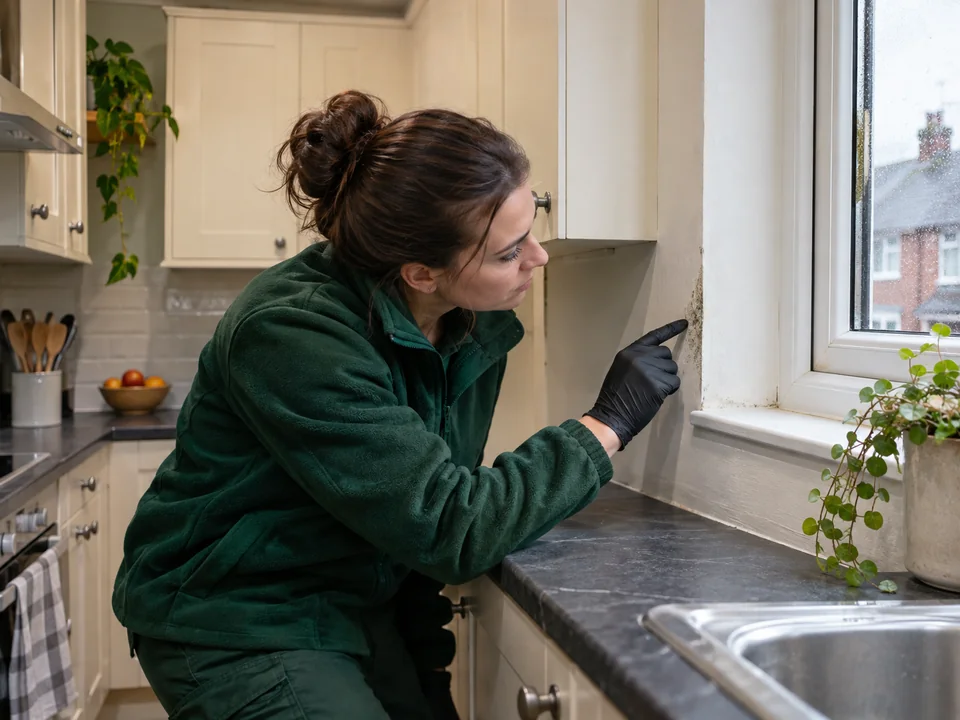
A nearby appliance, wash basin or window is a useful landmark because it helps identify the affected position. It is worth separating that observation from a conclusion about the source. Two people may agree the marks are beside a window while disagreeing about the reason they appeared. Give the observations shared by the people who use the room, then name the questions that still need resolving. This is particularly helpful if an agent or the landlord is receiving reports from several occupiers.
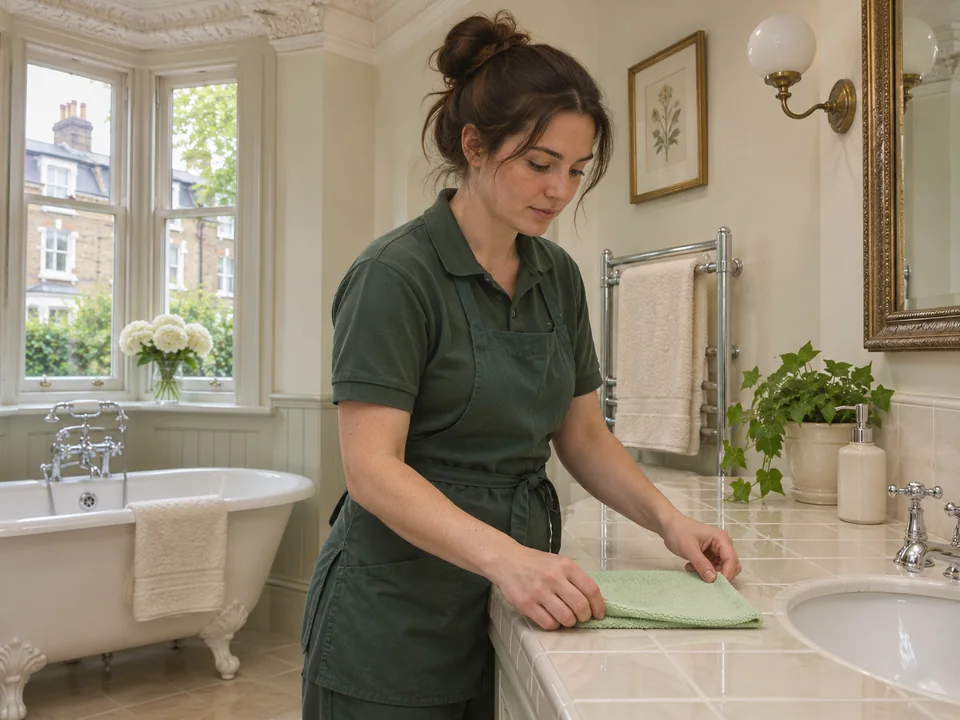
| Observation | What to tell us | Question for the quote |
|---|---|---|
| Marks along an accessible painted surface | Size, position and condition of the finish | Can the visible surface be discussed for treatment? |
| Signs on or beside a loose finish | Where lifting begins and when it became visible | Should the material be assessed before a cleaning decision? |
| Marks after known water entry | When it was noticed and who handled any repair | Is further moisture assessment needed? |
| Possible marks behind something fixed | How much is visible and whether access is restricted | Who can arrange the necessary inspection? |
Agree the order of work when a move or inspection is booked
If you are moving out, tell us the checkout date and when the affected room will become accessible. If boxes or furniture remain in front of the marks, say how much can be seen now and who will be available to discuss any difference once the room is empty. Check whether an agent has specifically asked about the marks or whether you are raising them independently. Ask who can approve an additional visit if the condition needs assessing separately from the rest of the clean.
Before accepting more than one quote, check that the list of rooms matches what you intend to book. A booking for end-of-tenancy cleaning may be discussed at the same time as a mould enquiry. Set out the affected surfaces separately and ask which person will handle each part. If access changes after the keys have been handed over, tell the office who is responsible for the property at that point and when the room can still be seen.
If the flat is occupied, discuss the dates around use of the room. One person may work from the room while someone else arranges the booking. Check which windows of time are practical and identify a contact who can explain the findings after the visit. If there are several occupiers, use the same names for each room throughout the enquiry so instructions given on the day make sense.
For a property with a fixed inspection window, find out what the inspection is meant to establish. In some cases the person collecting the keys only needs a record that the issue has been reported and who is dealing with it. In others, a specific surface needs to be available for review before anything can be agreed. Give the office the details that affect timing, such as when the flat will be empty or when an agent will attend. A planned checkout date alone does not establish whether assessment and any later work can happen within the same period.
If the people moving out are waiting for an answer about a damaged finish, distinguish that discussion from the general clean. The quote should specify what was agreed for an accessible surface and who will decide what happens to the material if further assessment is needed.
- Give the inspection or key handover date if there is one.
- Keep the move-out cleaning list separate from affected surfaces.
- Agree who can answer questions once the property is handed over.
Check what will be agreed before and after a visit
Ask the office how the visit will be described before you agree a price. The work under discussion may be assessment of the affected surface, a treatment already agreed or a separate visit needed to consider something that was not visible at first. Confirm which rooms and areas are included in that conversation. Ask what happens if the visible area turns out to be larger or a surface is in different condition from the original description. It helps to agree how changes will be considered before anyone relies on an estimate.
After the visit, make a note of any next action and who is expected to take it. The room record can be kept alongside any photographs and information about previous repairs. If the condition changes, you can explain how it developed since the earlier discussion. A record of the work considered is also useful when the person receiving the information could not attend or when a managing agent looks after several properties at the same address.
Use the booking page to organise details before you call. Start with the affected room, approximate size, surface and any known moisture history. Include the entrance used by visitors and the person who can provide access. Confirm the nature of the visit, its price and its limits directly with the office before you arrange it.
When a quote is being passed between the people arranging the work and those who use the room, keep the latest version beside the room notes. If you later ask about an extra area, give it a distinct label and explain whether the visitor can see it during the same appointment. A revised work list can then be discussed in clear terms.
| Before | During the discussion | After |
|---|---|---|
| Prepare address and room details | Confirm what the quote covers | Keep the rooms and agreed tasks recorded |
| List known repairs | Identify any unresolved building questions | Identify who will follow up |
| Describe access and dates | Agree who will meet the visitor | Record any changes relevant to a later enquiry |
Questions about arranging mould removal
Which entrance should I mention if my Whitechapel Road address has a rear residents' door?
Give the postal address and full postcode, then explain the name or location of the rear door. Say who can open it or meet the visitor.
My agent needs a quote for one room but a neighbour reported the same mark. Is that one appointment?
Describe the two reports separately and say which property or room the agent can make available. Ask who needs to arrange access if the other area requires assessment.
How do I explain marks along two surfaces on either side of a door frame?
List both surfaces and describe where each mark ends. A wider photo can show their relationship and help identify the part of the opening involved.
Can I enquire while the date for checkout is still being arranged?
Yes. Give the rough window and explain what still has to be agreed. Ask how the timing of any assessment would affect a later treatment or cleaning appointment.
Can I give a private room number instead of describing the surface?
Use the number so the room can be located, then explain whether the marks are on an accessible wall, ceiling or other material. Include an approximate visible size if you can.
What happens if I have images of the old patch but cannot see it behind furniture now?
Tell us when the photographs were taken, what has changed and what can currently be viewed. Ask whether further assessment would be possible before the area is included in a quote.