 Housekeeper
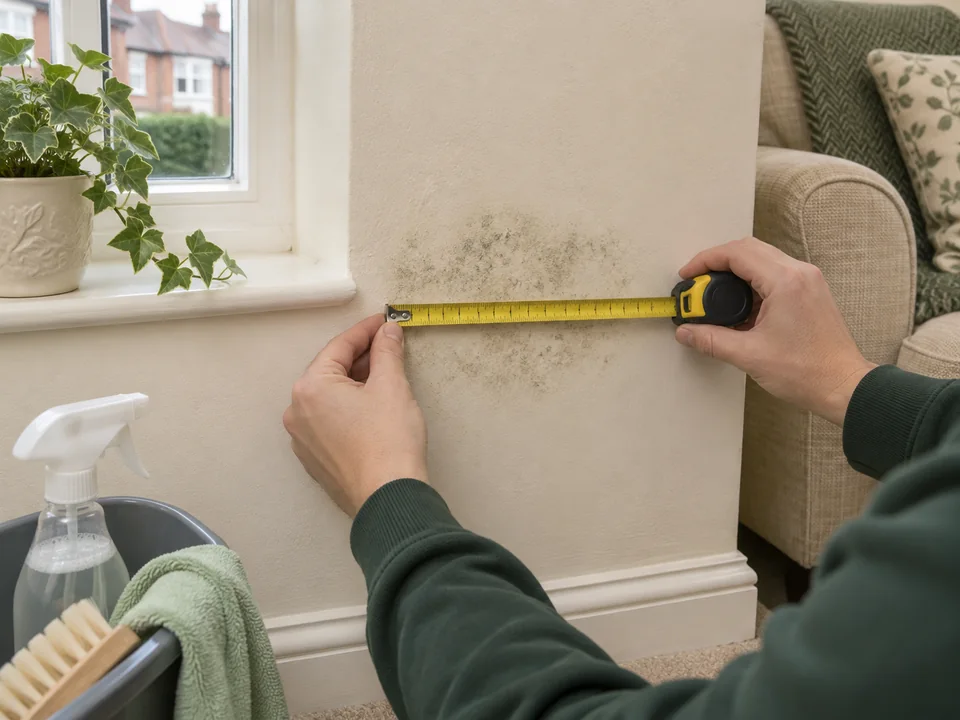
Mould Removal in Lower Edmonton
We take a clear room and surface record for mould removal in Lower Edmonton, especially where a resident and property contact share responsibility for access. We identify what can be assessed, agree preparation and discuss cleaning of suitable exposed hard surfaces.
Does Lower Edmonton use N9?
Enfield records N9 for the ward. Give us the complete postcode and the individual house or flat entrance.
Can you include a wall next to a shared stair?
We ask which side is affected and who can grant access to any shared area.
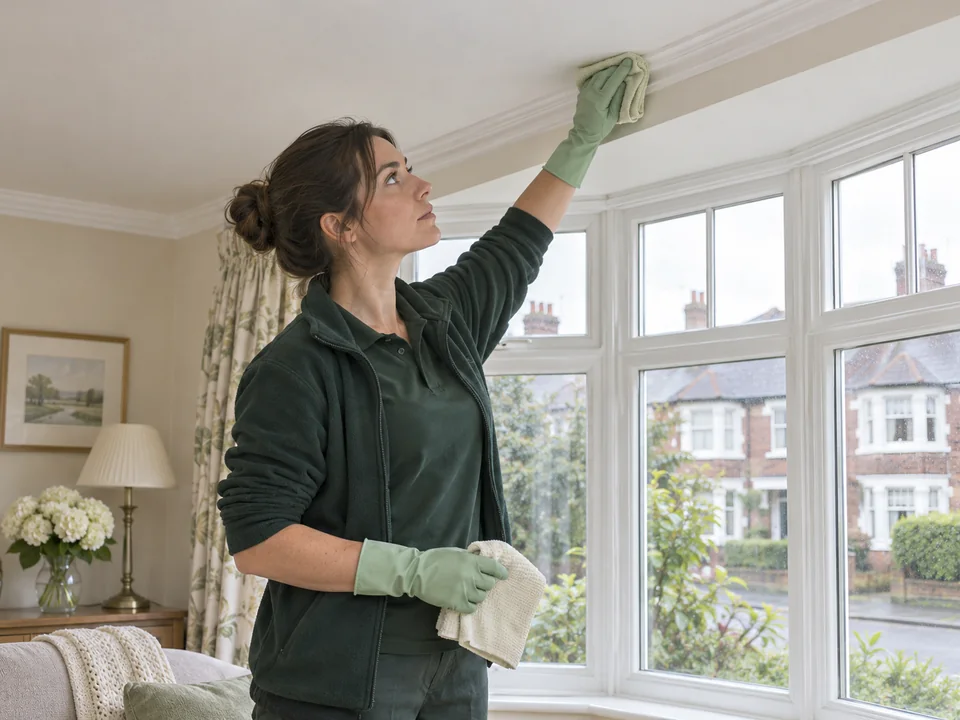
How we gather the room details for a visit
We begin by taking the room name, approximate size of the visible mark and a description of the finish. We ask whether the property is occupied and which person can let an attendee in. An affected area behind a wardrobe needs different access details from a visible section of painted wall beside a window. Telling us which parts are visible helps us discuss an assessment with the room left in its current arrangement. If an area is raised or discoloured but the material is unknown, explain what can be seen without lifting it.
With more than one affected location, give the positions separately. Describe the visible patch in the bedroom rather than assuming it is the same condition as what can be seen from the hall. If another person has supplied pictures, tell us which dates and rooms they show. We check whether the information describes the present condition or an earlier stage before discussing which parts of the property an assessment could cover.
If a previous visit concerned a separate problem, identify where it took place and what was concluded by the person responsible for it. Let us know if the earlier report is available and whether any work is still planned. We take the details of the present visible mark on their own terms, so a previous photograph can add context without standing in for a current description of access or the exposed finish.
- Give each room a distinct name and location.
- Describe the observed surface and what blocks the view.
- Identify access and decision contacts before agreeing a date.
Identify the Lower Edmonton property without relying on a landmark
Enfield’s Lower Edmonton ward profile identifies N9 as the postal district serving the area. The council names adjoining wards including Haselbury, Jubilee, Bush Hill Park and Edmonton Green. If the property is near one of those boundaries, give the actual address rather than relying on whichever name is most familiar to the resident. We use the complete postcode, building and entrance details to discuss the visit. At a shared entrance, state which floor or landing the visitor needs to reach once admitted.
For a managed block, ask which person can let an attendee through the front door and which person will be available at the flat. Tell us if a concierge needs notice, if there is a separate entry to a lower floor or if keys have to be collected elsewhere. Where a residential entrance is not visible from the address frontage, provide the private directions separately. If the route through the building depends on a person being available at a particular time, explain that when the date is discussed.
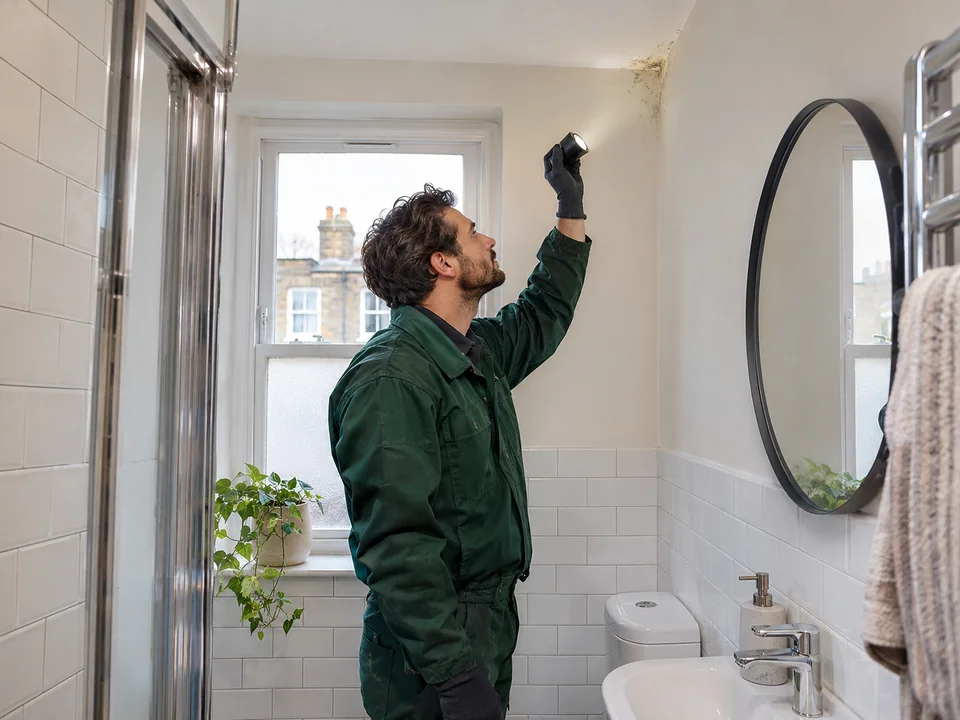
| Arrival question | Details we can include | Who can clarify |
|---|---|---|
| Which property? | Full N9 postcode and numbered dwelling | Resident or person arranging the visit |
| Which door and floor? | Relevant entrance, landing and route | Person familiar with the building |
| Who can open the room? | Keyholder and timing | Resident, agent or owner |
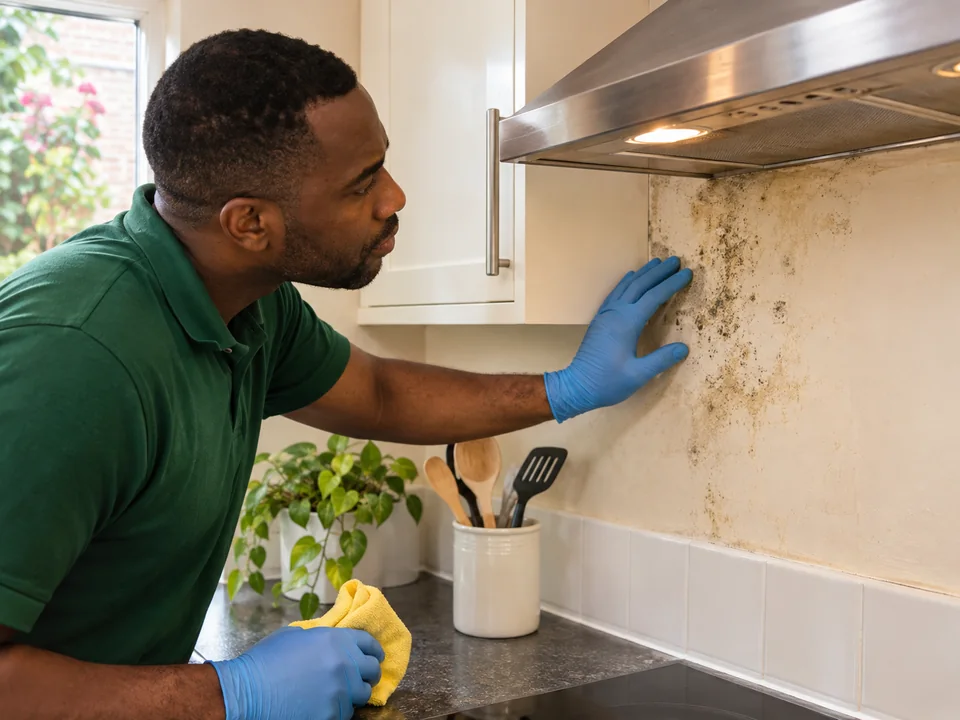
Locate marks next to shared areas
An enquiry sometimes contains a description of a wall from both the dwelling and the shared side. State whether you can see both faces and which person has access to each. If the only visible area is inside your home, describe that area and identify any question that remains on the other side. We can discuss assessing what is visible without treating a report about a shared corridor as authority to inspect it. If it is relevant to the visit, ask the building contact which spaces can be made available.
We use the description to record where the proposed assessment ends. If the mark crosses a doorway that adjoins a communal area, photograph the visible section without including other residents or their private details. Explain if a board or fitting covers the point where the surfaces meet. We ask what can be reached during the proposed visit and which part would need a separate arrangement. This is useful where a resident, owner and building manager each control different aspects of the situation.
When the report is being passed between people, include what each person was able to see. A neighbour might only be able to describe a section from the landing, while the resident can show the corresponding room inside. We check which pictures belong to each position before arranging access. Where access to shared space remains unconfirmed, we discuss the dwelling side separately so nobody assumes a different part of the building has been promised as part of the appointment.
- Identify the dwelling side and the common side independently.
- Explain who can arrange entry to the affected shared area.
- Record any section still concealed by a fitting.
Assess the exposed finish before agreeing surface work
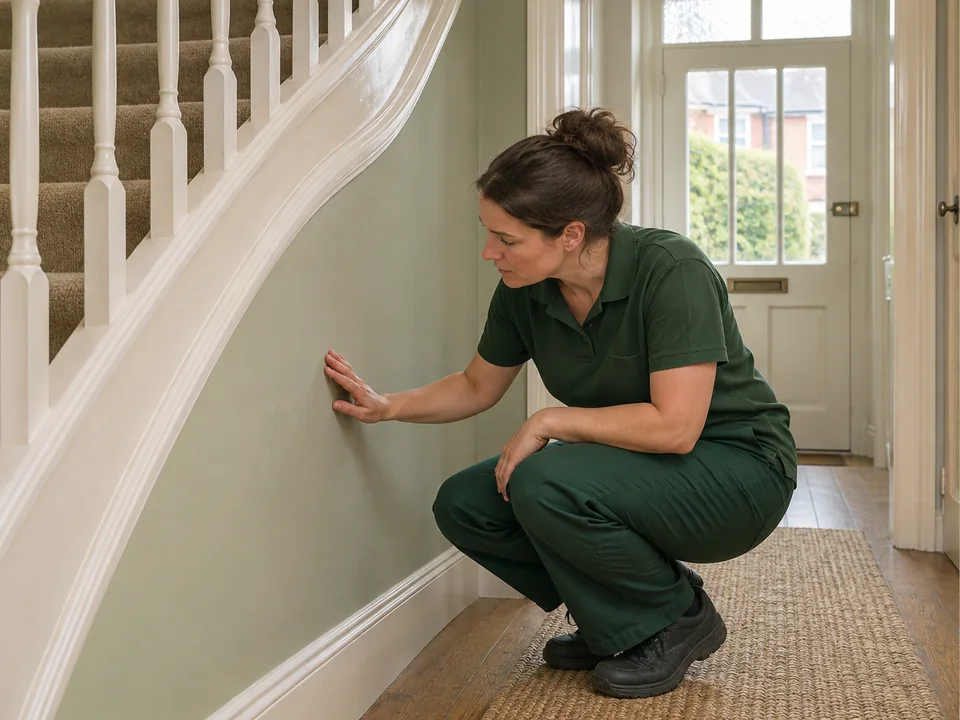
We assess the condition of the visible finish and the practical route to it before committing to treatment. A sound hard surface can be considered separately from a nearby finish that appears loose or damaged. We review the room layout and identify which parts belong in the appointment. If we can only see a small part behind a fixed cabinet, we record the exposed position and discuss what needs to be left for a further decision. A surface assessment does not establish what is happening behind a wall or fitted lining.
We discuss preparation once the access and visible finishes have been established. If belongings occupy the area near the affected wall, tell us what can remain in place and what would need the resident or owner to agree. If another appointment will expose further material or change how the room can be reached, tell us how the timing will work. We confirm the practical boundary of any proposed surface work so the room and finish are clear to the person attending and to the contact responsible for the property.
The person meeting us should know which rooms are in the agreed discussion. If access depends on opening a locked room or keeping a narrow corridor clear, explain that before the day. We can identify as part of preparation whether the proposed view of the finish is practical and which part needs a separate decision. This helps an attendee discuss the surface itself with the contact who can confirm the arrangement.
| Surface under discussion | What we look to establish | Decision before treatment |
|---|---|---|
| Accessible hard finish | Visible condition, area and route | Whether suitable surface work can be agreed |
| Porous or damaged covering | Visible edges and extent of damage | Whether a separate assessment or material decision is needed |
| Concealed face | Which part can still be seen | Limit the proposal to the known accessible area |
Remove visible mould from the agreed hard surfaces
We physically remove visible mould from suitable accessible hard surfaces once the areas and preparation have been agreed. At the start we confirm the named room and positions against what can actually be seen. If the marks extend onto a different finish, or if part of the area cannot be reached, we discuss that limit rather than treating it as included automatically. If part of the finish is already damaged, it may need its own assessment before any decision about work. We identify those points separately from the surfaces we can clean under the agreement.
We review the cleaned areas at the end and explain what the work covered. If a mark follows an accessible edge beside a fitted cupboard, that does not mean a concealed part behind the unit was inspected or treated. We identify the surfaces and boundaries in our handover so that you can keep a reliable record. We discuss aftercare for the agreed surfaces and direct any unresolved building concern to the responsible person. If a new issue appears later, use the same place names when you raise it and tell us which finish is affected.
| Stage | What we do | Outcome to retain |
|---|---|---|
| Preparation | Check the room access and named visible surfaces | Agreed accessible areas and restrictions |
| Surface work | Physically remove visible mould from the suitable agreed hard surfaces | Which named finishes were treated |
| Review | Review cleaned areas and discuss further questions | Separate notes on concealed or excluded positions |
Agree the handover with the people responsible
If a resident opens the flat while a different person accepts the quote, agree in advance who will receive the assessment or final review. We can explain which areas we reviewed, which surfaces were suitable for the work agreed and what remains for a separate decision. If a landlord or block contact will follow up on an adjoining area, identify the point they need to know about and the name of the space. If a separate repair is planned, keep its date and reference with the surface record so future enquiries do not confuse the two appointments.
A later cleaning visit should have its own list of rooms and tasks. A regular housekeeping enquiry concerns the time available and the agreed room priorities, while a handback clean is discussed against a separate inventory or checkout arrangement. When you also need one of those services, tell us the dates and areas involved so that the timing can be considered alongside the surface work. We can then discuss the suitable next step without implying any excluded space has been cleaned.
If access changes before the date, let us know which room can no longer be opened and whether somebody else can make it available. We can review the proposed order of work against the updated room list. If one room was always outside the agreement, it is helpful to make that clear to the person who meets our attendee. A short access and handover note can also be useful when several household members have different information about the history of a mark.
When the property has a later inspection or handback, we agree how to describe the visible surfaces so that a person reading the notes can match them to the original enquiry. Use the same room names and photographs where possible. A review might note that an agreed room was cleaned while a separate point on the shared side remains for the building contact. Sharing those details together can help the next person avoid mistaking an access limit for a completed part of the work.
- Give the person attending and the keyholder the same room list.
- Record separate property questions with the person responsible for them.
- Keep routine cleaning or handback jobs as separate enquiries.
Questions about arranging mould removal
What details identify my Lower Edmonton flat if more than one door serves the building?
Give the full postcode, building and flat numbers, then identify the entrance and any separate route to the flat.
Can you assess a mark on the dwelling side of a shared wall?
We can discuss the accessible dwelling side. Explain who controls the other side if it also needs consideration.
Do you need a photo of the material behind the cupboard?
Describe the exposed face and where the cupboard hides the rest. We do not need you to remove fixed furniture to take a picture.
How do you confirm which finish gets cleaned?
We name the suitable hard surfaces we agree to treat, confirm preparation and physically remove visible mould from those accessible areas.
Can the letting agent receive the results if the tenant opens the door?
Agree the agent's role and who needs the outcome before arranging the visit. We ask for the keyholder and decision contact separately.
How should I report a mark that appears after a different contractor attends?
Give the date, room and surface, and explain what work was completed before the new observation. Keep it separate from the earlier record unless the location is the same.
Other Cleaning Services in Lower Edmonton
Mould removal in London, Regular housekeeping visit, End of tenancy cleaning