 Housekeeper
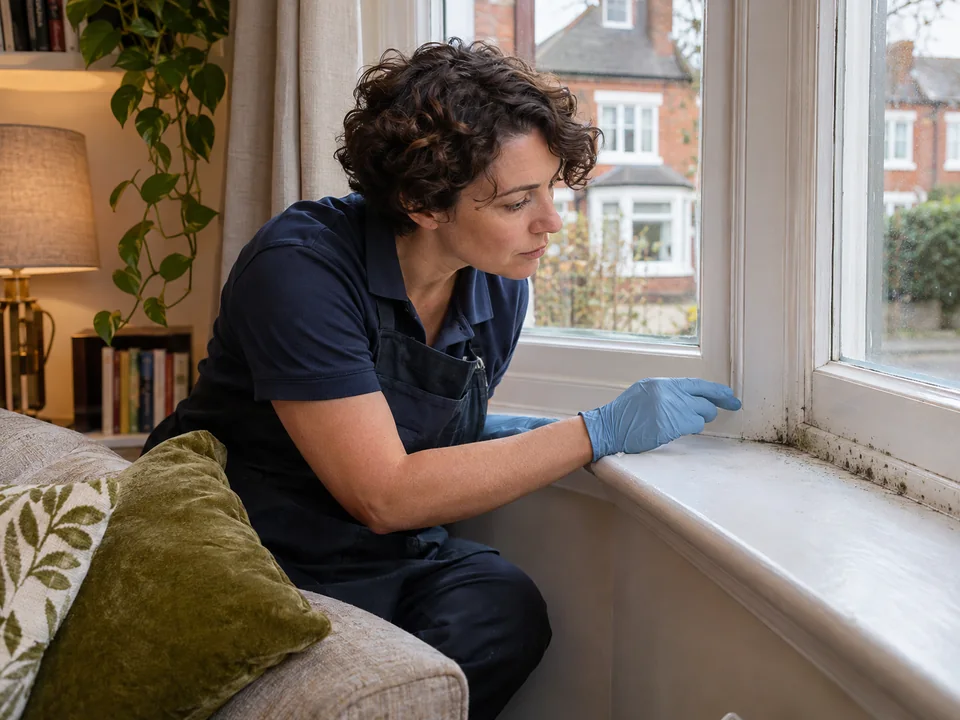
Mould Removal in Hackney
If the bathroom and kitchen in your Hackney home both have visible mould, start by describing how each room is used. Tell us what the marks sit on, when the room was last dry and whether a fixture is leaking. Two rooms in the same flat can need separate decisions about access, repairs and surface treatment.
What should I include for an E8 kitchen enquiry?
Give the full address and say if the affected area is near a sink, an external wall or behind a fitted unit.
Who handles reports in a Hackney Council home?
Hackney Council has a dedicated damp and mould reporting route for its own homes. Report the issue to the council first.
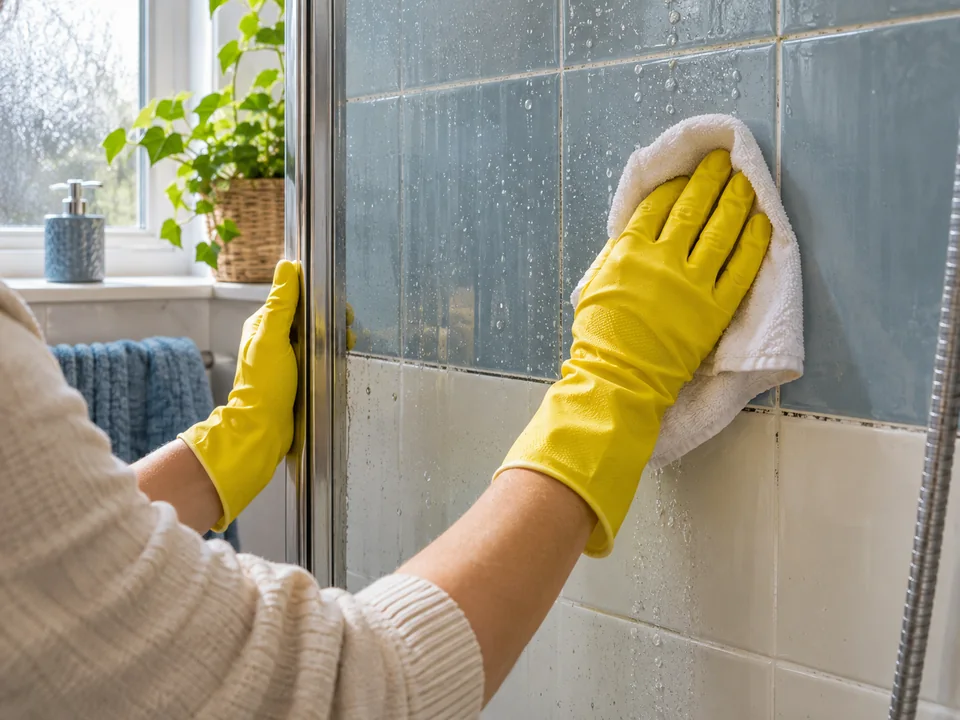
Describe bathroom use before choosing what to assess
A shower area provides several clues about where to start. Tell us if the visible marks are on the exposed tile, within joints, at the bath edge or on painted wall above the splash area. Give the distance from the water outlet in ordinary terms and say what gets wet during use. A mark on the ceiling outside the shower enclosure is a different location from a mark on the seal along the shower tray. Identify both in the enquiry even if they first appeared close together. The person reviewing your request can then discuss how to assess them individually.
Let the office know when the shower or bath is typically used and whether the affected areas appear wet or dry between uses. If an extractor has recently stopped working or the window is difficult to open, include that information. If staining appeared above a shower that has been unused for some time, mention that too. These observations help when discussing which property contact might need to check ventilation, plumbing or the condition of the surface. Appearance and use history can guide the conversation without settling the cause.
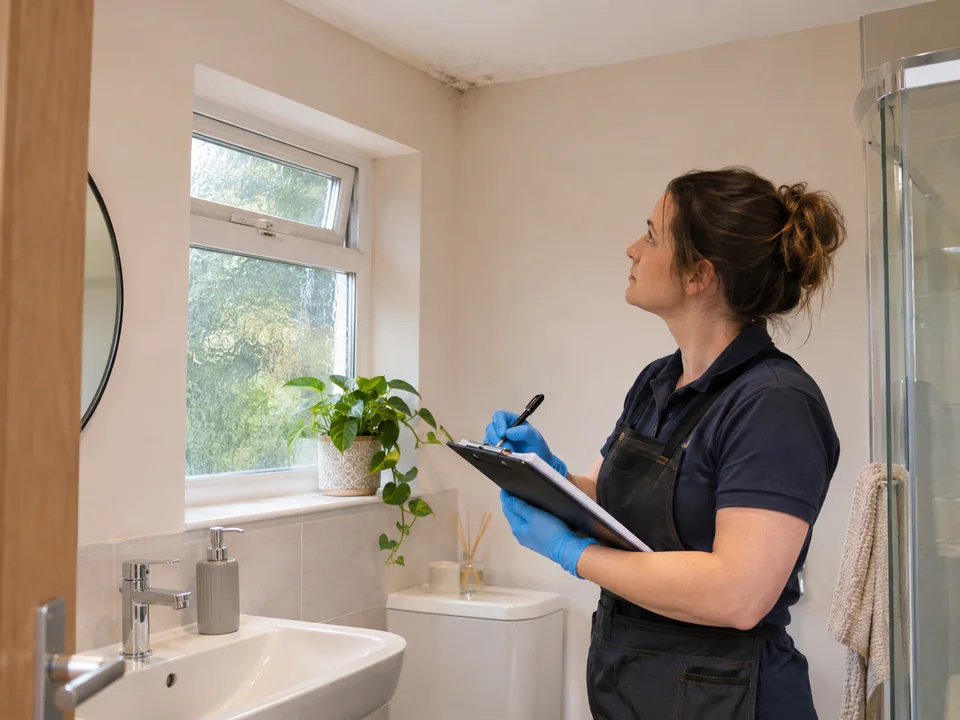
If the bathroom is the household's only washing space, say whether access can be agreed for part of the day or whether it conflicts with shift patterns, care arrangements or other appointments. Tell us how the door opens and what stands immediately below high patches, especially where the ceiling is above a bath, shower tray or built-in storage. Height and a safe approach need to be considered before any such area is included in a quote. Use a normal standing position for photographs and leave vents, panels and fittings alone.
- Name the fixture nearest each bathroom patch.
- Say whether the room remains available between household routines.
- Describe high patches and the floor space beneath them.
| Bathroom location | Describe when enquiring | Separate point to clarify |
|---|---|---|
| Paint above the shower | Ceiling height, visible marks and whether the paint is intact | Access and suitability of painted surface |
| Bath edge | Seal condition and where water collects | Whether seal repair needs separate attention |
| Wall tile or joint | Which face or joint has the visible changes | Material condition before agreeing treatment |
Make the kitchen layout part of the enquiry
We start by separating the bathroom surfaces from the kitchen surfaces in the visit notes. We consider what can be reached and whether the proposed work is suitable for each finish. If a fitted unit, worn seal or concealed layer needs a separate decision, we discuss that before work is agreed. The layout matters because the part of the room used for access may need to stay clear or remain available to the resident at a particular time.
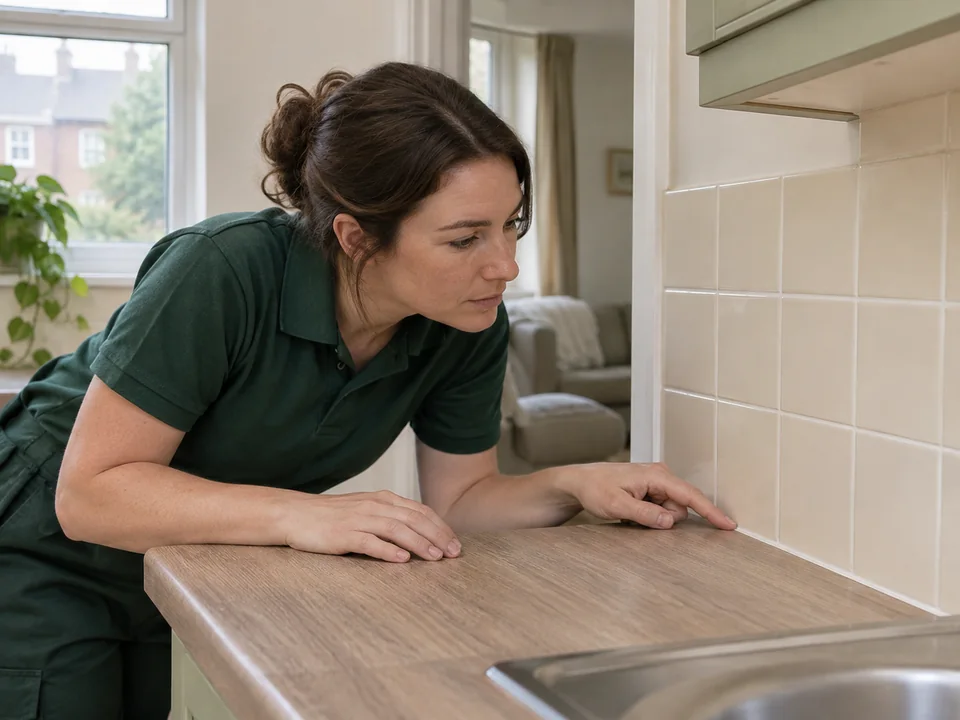
When you call about a kitchen, describe the room as a set of fixed features. Locate visible marks relative to the sink, outside wall, extractor and fridge rather than describing them as being at the back of the kitchen. If the area sits near the floor, say whether it is visible underneath a freestanding item or behind a fitted plinth. Explain if a pipe or appliance has recently leaked, who attended and which nearby materials got wet. A working kitchen can look dry at counter height while the enquiry concerns an area hidden from daily view.
Give a room photograph or a simple sketch to separate an accessible wall face from a panel behind a unit. A wide photo can show why access is restricted even when the mark itself is small. Mention any swelling along the edge of chipboard, peeling material or damage at a cabinet joint. A treatment discussion about an exposed tile face may work differently from a request concerning a damaged panel. If the area has already been painted over or covered, say when that happened and whether the original mark is visible anywhere.
Ask the responsible person to decide matters that concern gas, electric or plumbed-in appliances. In the first call, say which equipment is fixed and who can arrange access behind it. Leave fixed appliances and units in position. If the request concerns a wall that is already accessible, say so and explain what was moved by the household or tradesperson and when. Record any difference between items that can be relocated for access and those that need a competent person to disconnect or refit.
| Kitchen area | Useful photograph or note | Decision before treatment |
|---|---|---|
| Visible wall next to the sink | Wide picture with the sink and wall edge in frame | Identify the finish and what can be reached |
| Rear of a fitted cupboard | Show the cupboard opening and describe what is hidden | Discuss access and condition before quoting |
| Wall next to an appliance | Identify appliance and any repair already undertaken | Decide who is responsible for any necessary disconnection |
Explain what you see at kitchen and bathroom windows
A frame, the surrounding plaster and the seal between the two are separate surfaces. When marks appear in more than one place, a photo across the whole window can show where one finish ends. Give a short note on whether the glazing is normally clear or whether you see moisture on the inside face, around the edges or between panes. If water enters only in rain, share that timing. Keeping these observations separate helps the office discuss what is visible and what may need review by the person responsible for the window.
Window access varies even within the same building. Explain if the window is above a counter, behind a fixed blind, at a high level or blocked by furniture. If several windows are affected, say which open and which are fixed or restricted. Behind a blind, marks may be present on the painted reveal, the window covering or both. Include a clear description without taking fittings down to inspect them. If the window has recently been replaced or adjusted, share the date and any record the installer left.
On the enquiry, distinguish a request to consider marks on visible surfaces from a request to investigate the window or surrounding fabric. If the window frame seems loose or the reveal is damaged, ask the property contact who can review the condition first. Where blinds, mats or stored objects also appear affected, list them as distinct items rather than grouping them into the room total. Ask which items can be assessed and which need advice on whether they can be cleaned, moved or replaced.
- Locate the marks on the frame, surrounding wall and seal separately.
- Record weather or use patterns you have actually observed.
- Flag windows that are difficult to open or reach.
Send the issue to the person able to authorise the next step
Use the full property postcode rather than relying on E8 alone. It helps the office identify the address you want to discuss and whether it matches the service request. Include a floor and entry note for a converted house, block or managed building. For an entrance shared with another household, explain how the visitor can tell which bell to use. If the person making the enquiry is different from the keyholder, give the office both roles and agree who will be available to discuss access if the arrangements change.
Hackney Council has separate damp and mould reporting guidance for households in council homes and people renting privately. If the council is your landlord, use its housing repairs route. For a private let, report the issue to your landlord and check the council guidance if responsibility for repairs is unclear. A quote enquiry can describe visible locations and materials. It does not decide who must investigate a leak, repair ventilation or arrange a building inspection. Share records of reports already made if they are relevant to the proposed visit.
If the marks followed a repair or a reported leak, keep the timeline with the image record. Identify who can supply details about the repair and who can answer whether the surface has subsequently dried. If one room is still being investigated and another is accessible, tell us that distinction. The office can discuss a visit for the agreed rooms and what needs to be checked before adding another area. Confirm how the outcome should be shared with the person responsible for the property.
- Identify who can open the property and who can agree work.
- Keep room notes together with any repair dates.
- Separate rooms ready for assessment from rooms awaiting a repair decision.
Compare the quote against the rooms you reported
Before working on a suitable surface, we confirm which fixture or finish is included, what can be safely cleared and where the work stops. An agreed wall or ceiling treatment is handled separately from access behind an appliance or repair of a fixture. At the end we can discuss which areas were covered and how the resident can pass unresolved observations to the person responsible for the property. We remove visible mould from the suitable exposed hard surfaces included, keeping the wall or tile work separate from decisions about worn seals and fixed panels.
Ask which bathrooms, kitchen areas and windows were included in the assessment or quote. Where a damaged finish or unusual material has been identified, check whether the proposal covers it and what is expected to happen if the condition is different on inspection. Ask about the decision point for a return visit if a room must first be checked by a property professional. If you need to coordinate another cleaning service, give it a separate entry in your request so the office can discuss the order and the work included.
Clarify what will happen on arrival and who can confirm which rooms must stay in use. If a resident needs the kitchen during a particular window, say so when discussing availability. Ask what property information or forms of access are still missing before an appointment can be considered. At the end, retain the original record alongside any information about areas assessed and any matters left for follow-up. If something changes later, a record separated by room makes it easier to describe what is new.
A quote can be difficult to compare when one proposal refers to a room and another identifies individual finishes. Go back to the list you provided and check where they differ. For example, a bathroom entry may identify the painted ceiling and omit the seal at the edge of the bath. A kitchen entry might cover the visible wall while leaving the rear of a fitted unit for another assessment. Ask about any gaps before you decide what to arrange.
If the condition changes between the enquiry and the agreed date, update the office with the new room notes. A different footprint may alter how the visit is planned, especially if a newly affected area is inaccessible. Mention if another tradesperson has opened the area or made a repair since you called. A short account of what changed, with the date and any photographs you can safely take, helps the office discuss what still needs to be reviewed when someone arrives.
| Question for the office | What to take away |
|---|---|
| Which parts of the kitchen and bathroom are included? | A list of rooms, fixtures and visible areas discussed |
| What if a cupboard panel is found damaged? | The decision-maker and next step |
| Who reviews the room if signs return? | The responsible building or service contact |
Questions about arranging mould removal
Should I include mould above the bathroom door when I have already listed the shower?
Yes. Name the section above the door separately and note whether it is on paint, trim or a different finish from the shower area.
The kitchen unit is dry on the outside but the panel below the sink has swollen. Is a photo still useful?
A wide photo and notes on the visible change help explain what can be seen. Mention any known leak and avoid removing fixed panels for a better view.
Can I ask about marks that appear only in the mornings at the kitchen window?
Yes. Describe what you see in the morning and how it changes later, and distinguish droplets from marks that stay visible after the window dries.
The housing repairs team already has a reference for the bathroom. Should I start another record?
Keep the existing reference with any updated notes and follow the landlord's reporting route. In a separate service enquiry, say that building assessment or repair is already being discussed.
Can a fridge be moved when I am out?
Explain whether the appliance is fitted or connected and who can arrange safe access. Agree responsibilities and access limits before making a visit arrangement.
May I send a diagram where photographs show too much of a shared home?
A simple room sketch with approximate dimensions and finish descriptions can help. Describe what is visible and ask what further information would be needed for assessment.
Other Cleaning Services in Hackney
Regular housekeeping, Check the area directory, Discuss an enquiry with the office