 Housekeeper
Mould Removal in Chelsea
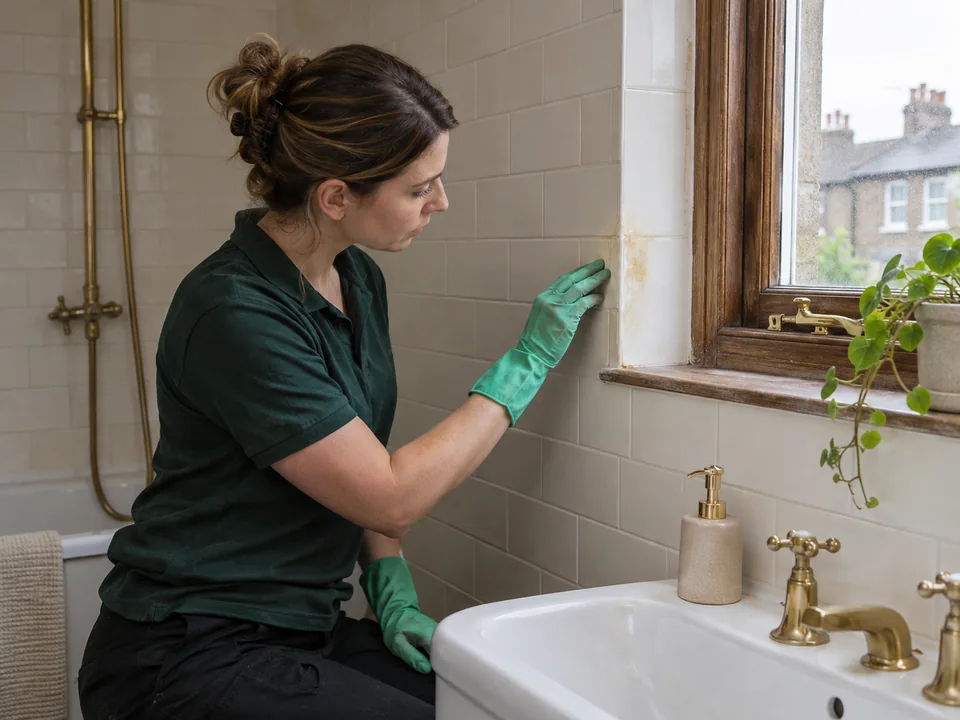
For a home in Chelsea, tell us where the visible mould is, what finish it affects and how someone would reach it. A mark by a window in a converted house raises different questions from a ceiling patch beneath another flat. We use those details to discuss assessment and whether surface work can be quoted.
What should I give you for an SW3 or SW10 property?
Send the full postcode, floor and preferred entrance. For a managed building, include concierge hours and any lift or key collection restrictions.
Can I ask about a patch on a painted wall?
Yes. Describe whether the paint is intact, lifting or water marked. Say if the area was wet recently or was treated before.
Give each affected patch an address inside the home
Describe the property from the outside in. Give the full postcode, the flat or house, the floor and the direction to the affected room once someone is inside. Then locate the patch within that room. It might be on the left window reveal, the wall immediately behind the bed or the ceiling around a waste pipe from above. When two rooms have the same layout, a short description of their positions is more useful than calling both of them the spare room. The office can use this record to discuss the rooms even if the person who made the enquiry cannot be there on the day.
Chelsea includes addresses across SW3 and SW10. The Royal Borough's appraisal of the Thames Conservation Area references both districts. A landmark near the river may help explain where the property is, but the full postcode and entrance are the practical details for a visit. Give the door residents use and any separate entrance a visitor should use. For a lateral flat with several numbers on the same street, clarify which bell or reception desk serves your part of the building. Distinguish the main front door from a mews or lower-ground entrance if they are approached from different streets.
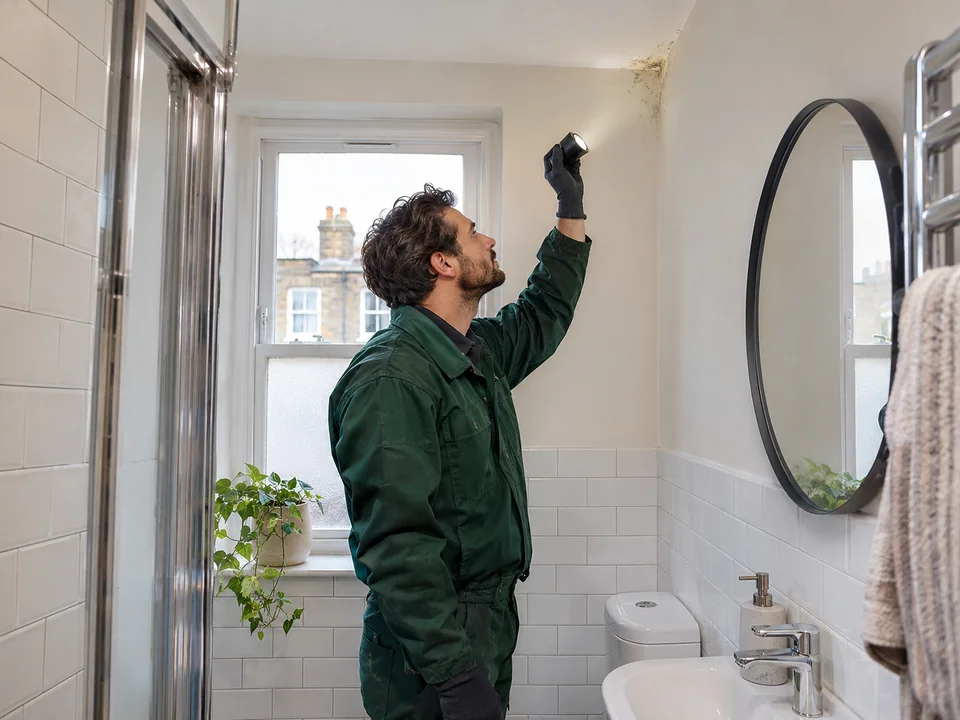
Group photographs by room. Start with a view wide enough to show the relationship between the patch, the window or another nearby feature. Add a closer image only where it is safe to take. Put estimated dimensions in your message instead of trying to hold a ruler close to the affected area. For several small patches, note whether they are adjacent or separated by an apparently unaffected stretch. That distinction helps the office discuss where the visible boundary is and whether there are gaps that could matter to the proposed work.
- List the floor and room before describing the patch.
- Keep a wider view alongside each useful detail photograph.
- Say if a key or entrance arrangement changes after a particular time.
Identify each finish before discussing surface work
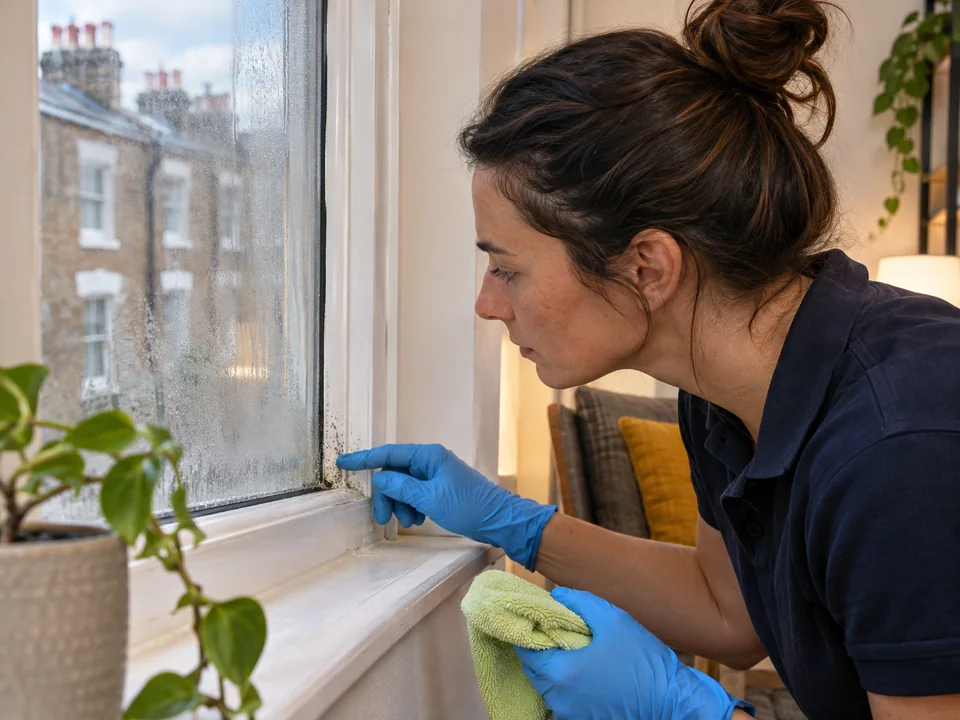
When you contact us about surface work, we ask what can be seen, whether the material is intact and how it can be approached. For a window with several finishes, we consider the painted reveal, trim and seal as separate parts of the assessment. We discuss whether work on the exposed surface is appropriate and what needs checking first. If the condition below a finish is unclear, we explain which part remains outside the proposal and who may need to assess it.
Describe the surface before describing the colour of the mark. Around a window, for example, the affected area may cover painted timber, sealant and the plaster reveal. Those surfaces do not necessarily belong in the same line on a quote. A paint film that appears sound can be discussed differently from a coating that is flaking or a base material that appears damaged. Record what you see without lifting wallpaper, stripping paint or removing trim. The condition below a visible finish may need a separate inspection, particularly when the boundary cannot be seen.
If you know a finish needs special handling, say so before we discuss surface work. A wall with hand-painted decoration or a window frame with a sensitive finish may need the property manager or decorator to identify suitable limits. Indicate where a material changes. One example is a painted wall that meets a fabric-covered panel. Another is a tiled recess that meets a painted shelf. A close-up could suggest the patch lies on one finish while a wider view shows several. If the finish is unknown, describe it without guessing how it was made.
A mark behind a fitted cupboard, in a ceiling void or under lifted flooring is difficult to assess from photographs. If the issue is in a part of the room that cannot be reached, tell us why. Leave fixed units and damaged materials in place. Ask the responsible building professional who can establish what sits behind the visible surface. If the area is open and reachable, still distinguish the part you want considered for treatment from the wider area you would like assessed. List damaged plasterboard, wallpaper or fabric separately when they appear alongside a hard surface.
| Visible finish | Useful enquiry detail | Decision to discuss |
|---|---|---|
| Intact painted wall | Patch size and paint condition | Suitability of the finish for surface work |
| Painted reveal next to sealant | Whether both materials are affected | Separate treatment decisions for each material |
| Lifting wallpaper | Extent of the lifted area and known wetting | Condition below the finish |
| Concealed area | What can be seen without moving a unit | Safe access and further inspection |
Record the moisture history alongside the visible patch
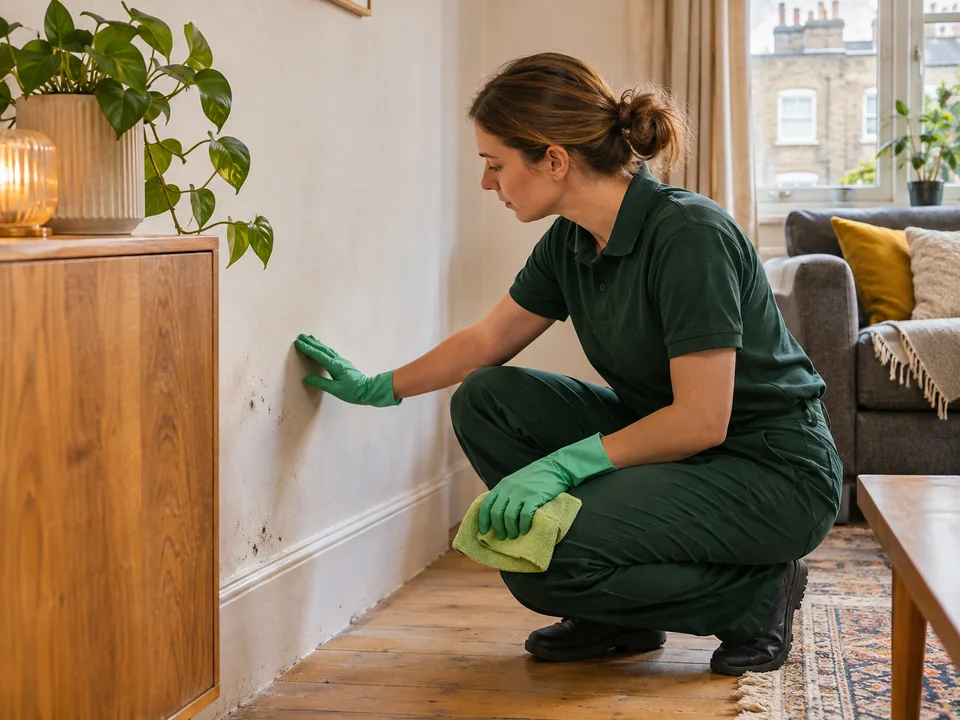
Share any known leak, recent pipe work, prolonged condensation or reports of moisture coming from another flat. Include dates where possible. A useful note might say that a mark was first noticed after rain and grew during the following week. It can also say that a plumber attended and nobody has yet confirmed drying. These are observations that inform the enquiry. The timing alone cannot establish a cause, and visible marks can outlast the event that produced them. Tell us if different rooms changed at different times rather than assuming they share the same source.
If a repair has already been done, identify the room, the reported defect and the date of repair. Tell us who has access to the repair report and whether drying was checked. A managing agent may have the information while a tenant can only describe the visible change. When reports disagree, share both accounts without trying to reconcile them yourself. The office can then distinguish what is known about the property and what still needs checking before a treatment proposal makes sense.
If the moisture source is still active or the marks return, ask who should assess the building and who will handle any repair. A cleaning enquiry can sit alongside that conversation. The order matters if a surface may get wet again before an agreed task is finished. If a neighbour, freeholder or managing agent needs to give permission for a separate inspection, arrange that through the appropriate property contact. The start date for surface work should follow any necessary decisions about access, materials and ongoing moisture.
| When | Record to share | Use in the enquiry |
|---|---|---|
| Before the marks appeared | Recent leak, condensation or maintenance history | Identify whether a building assessment may be needed |
| After a repair | Completion date and available drying information | Discuss timing for surface work |
| If signs return | Date and same-angle photograph if available | Help the responsible contact decide what to review |

Agree building access and protection for the approach
Plan access with the person who will be present. If the room is furnished, identify large items, locked cupboards or wall hangings affecting the approach. A drawing room with artwork and floor protection requirements needs a different arrival plan from an empty room where the door and wall are clear. Name anything that should stay untouched and ask who will move items that can safely be moved. The enquiry is also the time to mention newly decorated areas and sensitive finishes between the entrance and the affected room.
For a home in a managed block, check how visitors are signed in, which entrance should be used and whether there are lift restrictions. If the person reporting the mould will be away, give the office a contact who can decide what to do if an adjacent area also appears affected. Mention if two parties need to approve access or work in different places, such as a landlord for the flat and a manager for a shared hall. Resolve those responsibilities before a visit is arranged.
Where the patch sits high above a staircase, an alcove or a bath, describe its height and what is below it. The approach can matter as much as the size of the patch. If an area is hard to reach, talk to the office about assessment before including it with work at standing height. Explain whether the room needs to remain in use and what timing options are available. Discuss arrangements for occupants and pets before a proposed visit is agreed.
- Confirm who can admit a visitor and approve access to each room.
- Describe high surfaces and anything obstructing the approach.
- List belongings and finishes that need to stay undisturbed.
Keep assessment, treatment and follow-up clear in the quote
For an agreed visit, we confirm the work area and any protection needed with the person arranging access. We then work on the agreed suitable surfaces within that boundary. If a nearby finish is also affected, we discuss it before changing the work. At handover we identify which locations were included and which observations may need to go back to the property manager. On the sound, hard surfaces agreed in the proposal, we remove the visible mould and review the exposed area with you before handover.
Ask for each included room and surface to be identified and distinguish assessment from proposed treatment. Check how the total would be affected if there is more damage under a finish than can initially be seen. If the area cannot be inspected until access is arranged, ask whether the quote can be agreed after assessment. If a specialist needs to check the moisture source or the condition of a material, keep that decision separate from the cleaning itself. That makes the handover clearer when more than one contractor is involved.
Find out what information is available at the end of an agreed visit and who should receive it. A tenant might need to pass the date and affected rooms to a landlord. An owner might want a decorator to read observations on the surface before redecorating. Retain earlier photographs so they can be compared with later changes. If fresh marks appear, record their timing and ask which contact is responsible for deciding whether the next step concerns cleaning, damp assessment or a property repair.
If the enquiry is connected with a tenancy handover, mention the deadline at the start and discuss other necessary work separately. For the affected wall or ceiling, the quote depends on what can be assessed and agreed for that property. Prepare the full postcode, room list and moisture history for your call. If an agent expects an account of the work before keys are returned, confirm what information is needed and who will receive it.
When the person arranging the visit is away from the property, agree how they will be reached before decisions are needed. A named contact can help avoid delays if an apparently small patch is found to extend onto a second material or into a room that was not discussed. If that contact is unavailable, record what may be reviewed and what must wait until they can be reached. Confirm who will report the visit outcome to the person responsible for the property.
- Confirm the named decision-maker for changes.
- Record materials and locations separately.
- Agree who should receive the outcome.
| Quote item | Ask for confirmation |
|---|---|
| Rooms and materials | Which places and finishes are included |
| Preparation | What should be cleared, left in place or reviewed first |
| Limits | Who will decide what to do about damaged or concealed material |
| Follow-up | Who should receive notes and later observations |
Questions about arranging mould removal
The patch crosses from a painted reveal to a timber window frame. Should I list it as one area?
List the window as one location, then identify the materials separately. Say if any coating is lifting so the office can distinguish the surfaces when discussing assessment.
I have photographs from before and after a plumbing visit. Which are useful?
Keep both sets and note the visit date. The earlier views show the initial extent and the later views help explain what changed.
The building manager can open the lower-ground door but cannot approve work. Whom should I put on the enquiry?
Give the access contact and separately identify who can agree work. Include entrance hours and a number for the person who can answer questions about the affected rooms.
Can you discuss a patch in a room with an original wall finish?
Describe the finish and any protection requirements. Discuss assessment first if you do not know whether surface work is suitable.
The ceiling below another flat shows a new mark. Can a cleaning quote settle who is responsible?
Contact the appropriate property representative about the possible source. Establishing the cause or responsibility may require separate assessment.
What should I tell the decorator after an agreed visit?
Give them the locations, any notes on material condition and any information about moisture or drying. Ask whether further checks are needed before applying a new finish.
Other Cleaning Services in Chelsea
End of tenancy cleaning, Cleaning prices, Prepare your visit details