 Housekeeper
Plan your kitchen visit
Oven Cleaning in Gidea Park
Give us the exact oven and the correct entrance to your Gidea Park home. A photo and a short list of the cavities, racks and important marks help us discuss a quote when you are arranging the visit for yourself or someone else.
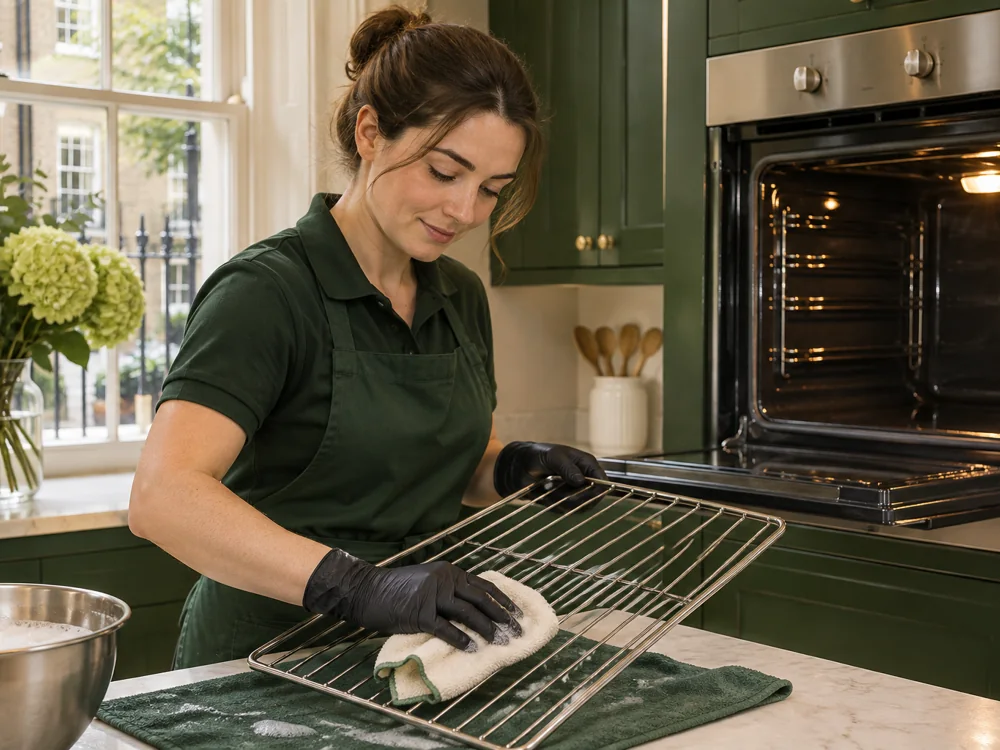
Can I enquire for an RM2 address?
Yes. Give the full postcode and the door or gate to use.
Can the visit focus on the main oven?
Yes. Identify the cavity and list any matching parts you want cleaned.
Give us both the postal address and the way to your kitchen
National Rail places Gidea Park station on Station Road in RM2. If a local reference is useful, include it with the full home postcode, street and number. Add a short note identifying the exact door for the visit. For a home with access through a drive or side gate, describe where the gate sits and who will open it. If the flat entrance is part of a shared block, give the bell label and say where the visitor will meet the person admitting them.
Tell us any approved unloading location, trips up an internal staircase and how the technician reaches the kitchen beyond the first door. A gate or drive can look open on a map but be too narrow to use when vehicles are parked there. Confirm the actual route with whoever will be at home. State any time when a shared entrance is available. If someone else will meet the technician, give them the kitchen photos and agreed list as well as the directions so they can check both aspects of the visit.
- Give the full postcode and physical entry door.
- Describe any drive, gate, or steps to the kitchen.
- Confirm who can open the property on the day.
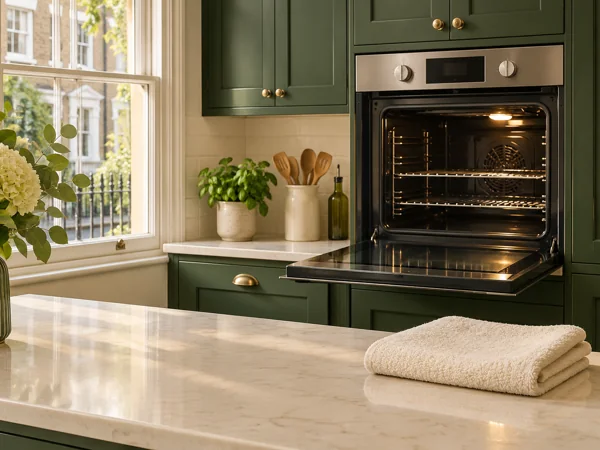
Tell us what type of cooker has been fitted
Take a broad picture that shows all oven doors and controls. A two-door unit might have a separate grill or small upper oven. Another door may lead to a storage drawer. Identify the compartments you want cleaned and give the model information you can read without moving the appliance. A manual helps where a cooker has settings or finishes that are difficult to identify from the front. Tell us if the oven uses a specialist liner or if the instructions include a dedicated cycle for a particular cavity.
If one appliance is to be left outside the job, identify which one and give the correct position of the one you want assessed. The hob may be a separate appliance even if it sits directly above the oven. Include its own model or surface details only if you want it considered. Where the kitchen has changed since the original paperwork, use what you can see of the installed cooker rather than an old installation diagram. Check that the description in the quote corresponds to the same door and controls.
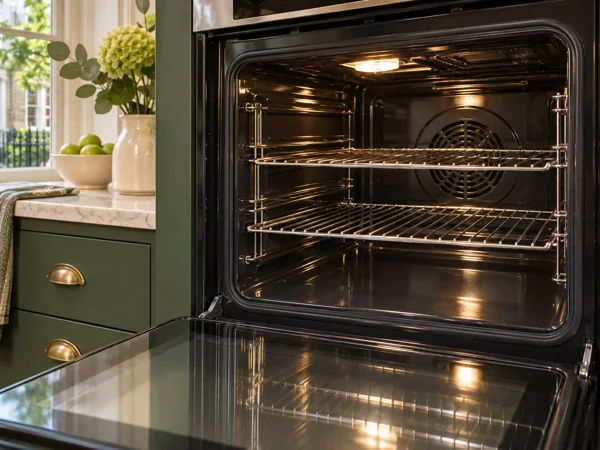
Explain the approach to a Gidea Park home
| Stage | What to tell us | Check first |
|---|---|---|
| Street | Full address and unloading point | Which direction to approach |
| Drive or shared door | Gate, bell or contact | Who can admit equipment |
| Kitchen | Steps and working counter | Where door can open fully |
Compare the marks with normal use
Take a look once the oven has cooled, then describe what you see from the opening. A drip near the door might come from a tray used on a low rack, while residue at the top could be from repeated grilling. A close-up is useful when there is also an overview showing the neighbouring surfaces and fittings. Tell us when you first noticed the mark and what you had been cooking. Include a separate line if there is a surface that looked pale or worn beforehand.
Give any earlier product name or cleaning programme and state which part it touched. Include any apparent change to the finish afterwards, and share the instructions for textured or coated liners if available. The technician can look at the deposit and the underlying material together. Permanent discolouration or wear may remain after accessible residue has been removed. Point to the area that concerns you most during the assessment so the technician can discuss it before work is agreed. Keep fitted trim or lining in place instead of testing treatment yourself.
- Identify the cavity and position of the cooking residue.
- Report earlier product use and any automatic cycle.
- Distinguish wear from the latest spill where you can.
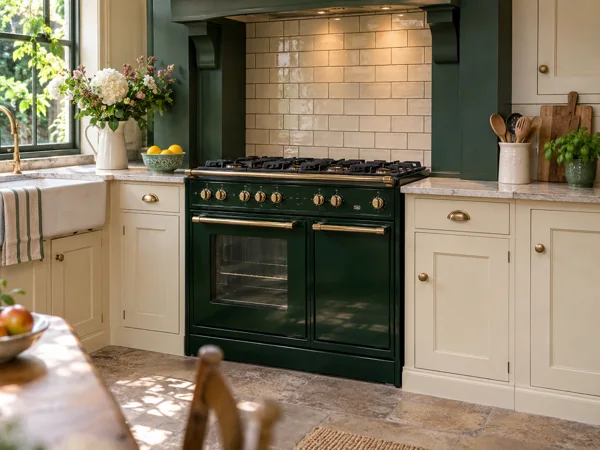
Count racks and trays the way they are fitted
List all original shelves, grill trays and removable inserts you want considered. A wire rack that simply slides out differs from a telescopic guide attached to the oven. If a fitting is hard to move or was taken out earlier, tell us the usual position. The technician can inspect the design and condition before removing suitable components. Pieces that can be safely removed may be soaked in a dip tank. Any accessory with a protective finish or an attached mechanism can need a different approach.
Take personal pans, loose foil and food out of the cool oven and keep them away from the working area. Identify any piece you bought separately and want discussed on the quote. If a tray can be used in both cavities, match it to its normal cooking position. Leave any unfamiliar or sticking part for the technician to look at instead of moving it. A short parts list can help the person letting us in recognise which accessories belong to the visit and which belong to a different appliance.
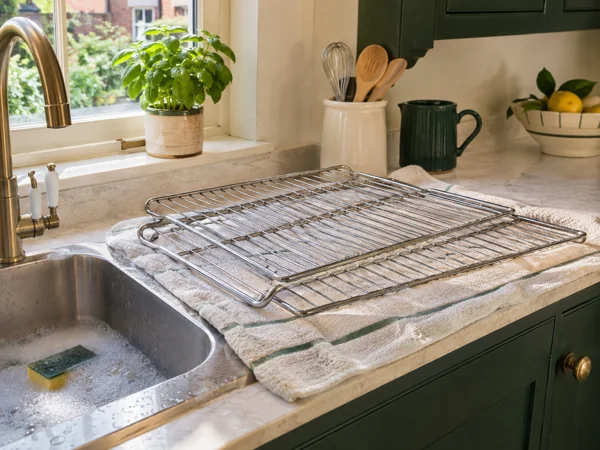
Describe what you can see on the glass
A smear near the edge of an oven door can be visible with the door closed but hard to find when open. After the cooker has cooled, take both views where practical and tell us which angle shows it. It may lie on an accessible face or between panes. Access to that space depends on the design and condition of the door. Mention looseness, glass chips or prior work on the assembly if known. Leave the glass and all fixed trim as they are before the inspection.
If the exact location is still uncertain, point out the affected area and show a wider image of the whole appliance. Some doors include patterned edges and clear sections with different appearances. Tell us if you see the mark around an edge or only in the centre. Discuss which faces can be reached before adding extra work for the glass. A permanent change to the material can still be visible afterwards. If there are two doors, mark the affected one on the appliance photo.
- Show the door and the affected spot.
- Give the angle or light that makes it visible.
- Mention any chip or loose fitting before the visit.
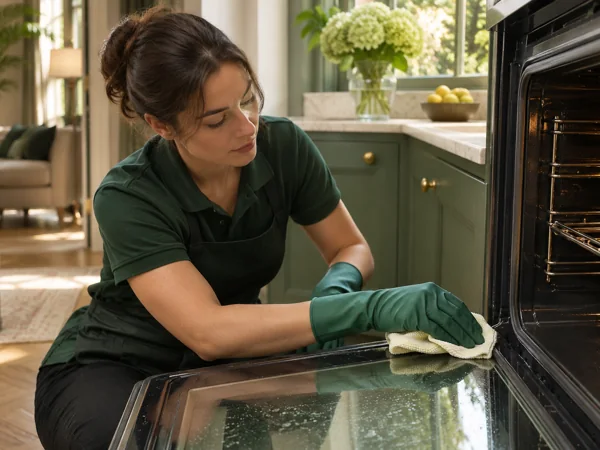
Identify which unit needs attention
| Component | Detail to share | Decision |
|---|---|---|
| Main oven | Model and door | Cavity to assess |
| Grill | Separate or built in | Relevant tray and insert |
| Storage drawer | Actual use | Discuss separately if wanted |
Make room for access and handling in the kitchen
Clear a stable surface close to the oven and take light furniture out of its way. Leave enough space for the door to open, including a lower oven door that could meet a stool or trolley. Put loose cookware and shopping bags elsewhere. Keep the appliance fully cool and make a clear route from the entrance. Children and pets should stay out of the working area. If anybody needs to pass through for a meal or to reach an adjoining room, make a plan for that route ahead of time.
Tell us what water and power can be accessed if needed. If the home is empty or undergoing a move, agree who will arrange entry and identify the surface that is available. A kitchen that looks clear in the morning may be stocked with boxes by the appointment. Let us know before the visit if the counter or door swing changes. For a person who will be at work, share a layout note and quote with the person at home, and remain reachable for any relevant questions.
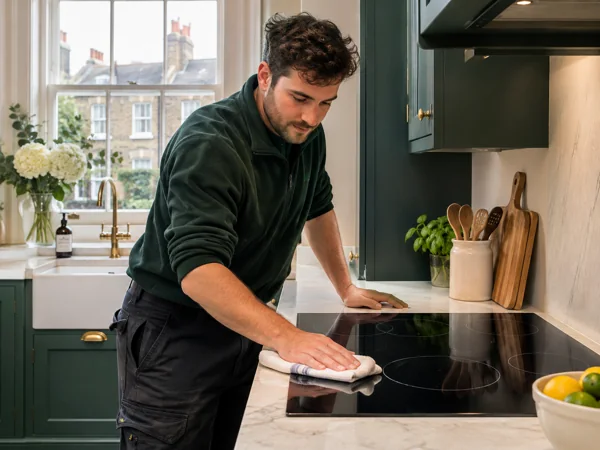
Ask about the hob and extractor on their own terms
If the hob needs attention, name the surface and whether there are removable supports. Describe the affected cooking zones and any grease on a separate trim. When a splashback or adjacent section is a different material, name it separately if it should be considered. Send a broad photo to show how the hob and oven sit in the kitchen. Tell us if the surface is needed for another meal and ask how the agreed work can fit around it. Confirm each additional item separately from the oven.
For the extractor, give its position and approximate height, with the filter type if known. The accessible cover and a removable metal or disposable filter need different checks. Describe which part has visible residue and explain where the filter sits. Include the model or handbook where the location is hard to see. Ask for the agreed work to show on the quote so the person at home can confirm which appliance interiors or covers are included. Make room for the technician to stand beside each agreed part.
- Specify the hob finish and parts.
- Provide the extractor position and filter type.
- Confirm the optional items in writing before the visit.
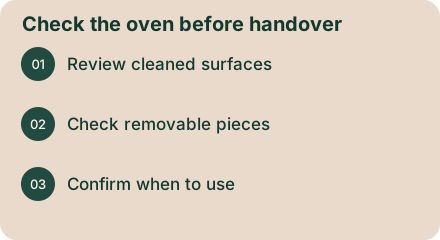
Check the agreed items and the return to use
Start with the postcode form and keep the appliance and address notes available. At the inspection, identify your priority marks and any parts you are unsure about. If another occupant will meet the technician, show them the agreed items and give them a way to reach you. Tell us if the tenant or owner must approve work after an initial check. Confirm the contact can be reached until the work is agreed. Make a plan for when an entry key or gate is opened afterwards.
Ask the technician which pieces have been cleaned and when you can use the oven again. Tell the next cook where each shelf or tray belongs and pass on the advice for the appliance. If an old mark remains because of the material or access, note the exact spot. Keep it beside the model and care instructions for a future enquiry. If a different oven or hood needs attention later, record its own details so any advice from this appointment stays attached to the correct appliance.
List the marks and parts you want considered
| Item | Evidence | What to check |
|---|---|---|
| Cavity spill | Position and previous product | Accessible residue and finish |
| Sliding shelf | Where it stops | Safe handling |
| Glass haze | Angle and edge condition | Which face can be reached |
Get an oven cleaning quote in Gidea Park
Request a quote with the oven type, number of cavities and any extra appliances.
Get a QuoteOther Cleaning Services in Gidea Park
Local references · National Rail, Gidea Park station
Gidea Park oven cleaning questions
Can I arrange the visit for a relative in Gidea Park?
Yes. Put the resident address and approved entrance on the enquiry and agree who can answer questions about the cooker.
Should I show the front and the cavity in the same photo?
A wide front photo and a separate view of the issue in the cool cavity are useful.
What if the accessory fits both ovens?
Give its original position if known and identify which cavity you want on the quote.
Will you need the side gate opened in advance?
Agree who can open it and at what time. Send any practical route notes before the visit.
Can I ask about a faint door mark without removing the glass?
Yes. Describe the viewpoint and leave the door fitted for the initial assessment.
How should I add an extractor with a hard-to-see filter?
Give the approximate height, model and any instructions that describe the filter.