 Housekeeper
Plan around the family kitchen
Oven Cleaning in Rotherhithe
Request oven cleaning in Rotherhithe around the cooker your household uses. Tell us which cavity, grill or loose parts need attention and when you will cook next. Include the actual entrance and building route if the kitchen is reached from a shared courtyard, dockside walkway or separate reception.
Can I enquire about a family oven in a Rotherhithe flat?
Yes. Send your full postcode, door or lobby name, lift route and details about the oven and grill.
Can I ask about a grill and keep another appliance available?
Identify both appliances and give your kitchen timetable. Discuss the space the technician needs before the visit.
Make a short list of what gets cooked in each compartment
Before looking for model information, read through your regular meals and consider which part of the cooker does most of the work. If the main oven holds a large casserole, the base and sides might need attention while an independent grill collects grease on its pan and wire insert. When several people use the kitchen, ask which trays they use and which ones stay in another cupboard until needed. List the two or three surfaces and accessories that matter to the household, then add anything less urgent.
If the cooker has two ovens, describe each cavity by position and type, even if one stays free for later. Give a wide view of the whole installation and a separate photograph of any patch you want inspected. A warming drawer can look like a small oven when the front is closed. Give the model from paperwork or a visible label, keeping the oven installed and cool. Mention replacements and known faults to help the technician consider the appliance as it stands.
- Name the most used cavity and shelf.
- Check who uses each tray or insert.
- Show matching doors together in a photo.
Link cooking habits to areas of concern
| Regular use | Part to check | What to mention |
|---|---|---|
| Casseroles | Cavity base and low shelf | Overflow and later use |
| Grilling | Insert, tray and visible glass | Which separate accessories fit |
| Baking | Racks and cavity sides | Original versus replacement trays |
Tell us where a visitor needs to arrive in Rotherhithe
Southwark Council places Russia Dock Woodland on Salter Road in SE16. If you use the woodland when explaining where the home is, send the complete address and the entrance that leads to your kitchen. A waterside property may face a public walk with a separate approach for deliveries, while a courtyard can have several front doors with different bell labels. Tell us which door is approved for a visit with equipment and how to get to it from the street rather than only from a walking route.
Discuss any restrictions with the building contact in advance. Give the agreed unloading point and specify which lift or stairs lead to the floor. If loading is through a gate, explain whether the person can reach the correct building from that side and who admits visitors. Include steps between the lift and flat door and indicate if there is a long walk along a corridor after access. If a resident or agent will wait to meet the technician, name where they will be and give a contact for arrival.
- Send the actual property address and the authorised entry.
- Explain the route from unloading, including lift access.
- Identify the person who can open a shared gate.
Differentiate old residue from a change in the oven surface
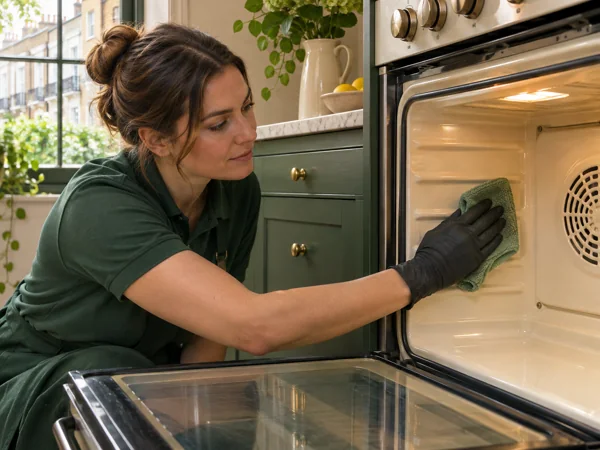
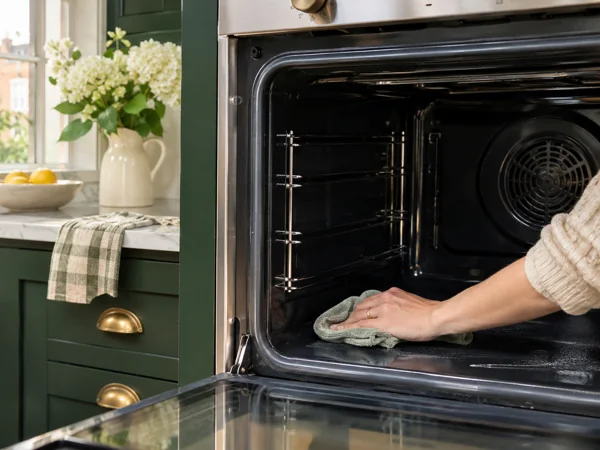
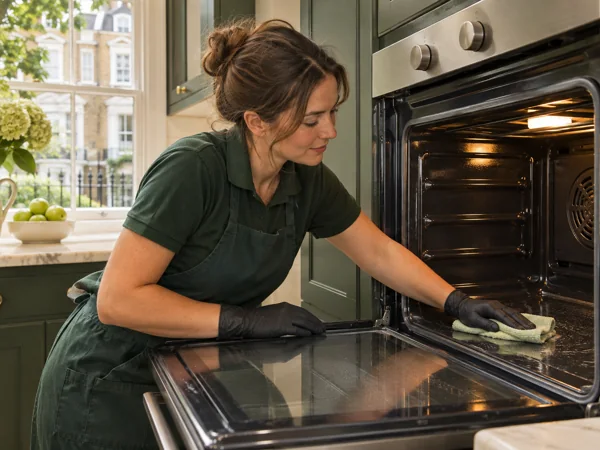
Look inside the appliance while it is cool. If a dish overflowed, show the position it occupied and the extent of the spill. Describe how often the oven was used after that and whether any cleaner was tried. A burnt patch might sit beside ordinary grease in the same cavity. The technician can examine the surface before discussing which part is residue and which could be discolouration or changed enamel. A photograph that includes the door and shelf levels helps show where the mark is.
Let us know about specialist liners and give care guidance from the manual if available. The sides and base can require different treatment even if the marks reach across both. Mention a recent self-cleaning cycle and which cavity ran it. For known faults, distinguish difficulty closing the door or getting the oven to heat from the cleaning request itself. Ask an appliance specialist about operation and mention any faults before scheduling, along with affected seals, glass or rails that the technician may need to work around.
Set out agreed trays and racks without moving fitted parts
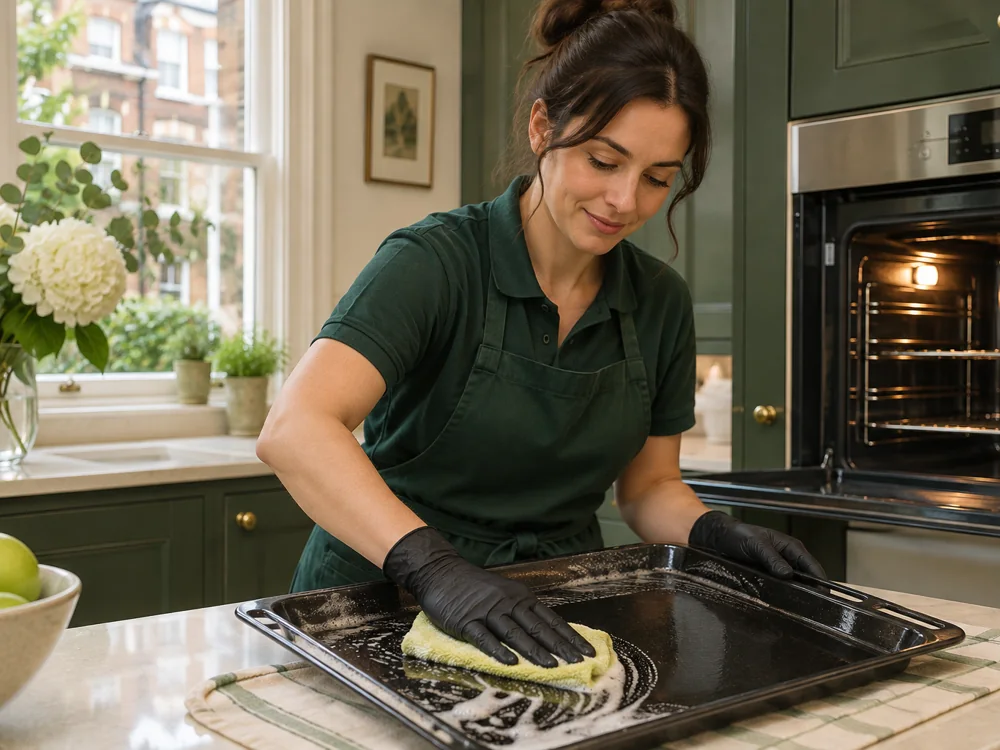
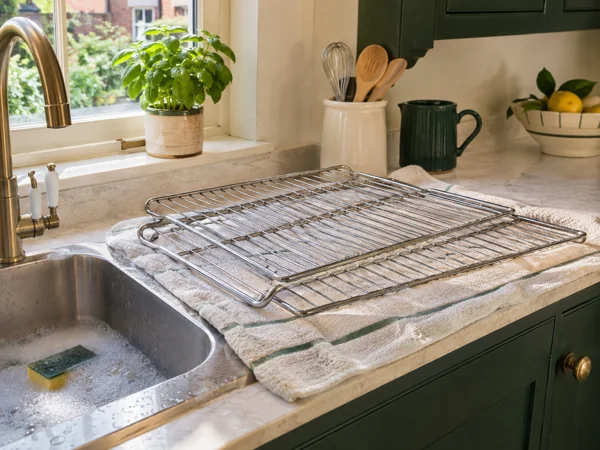
After taking out loose food or cookware, choose the oven accessories you want assessed and put them in a clear place. A plain shelf and a coated roasting tray need to be considered by their own material and condition. Compatible removable parts can be taken out for cleaning and may be soaked in a dip tank where suitable. Show any pan with a detachable handle or separate insert as a group, and identify racks that were bought later. Let us know which appliance the spare pieces are meant to fit.
If a rail is fixed or a shelf sticks, leave it in its normal position while you explain what happens. A runner can have a release you do not usually use. The technician can assess the fit and condition before deciding what can be handled. Show a loose rack that sits unevenly and point out a coating that has worn through at the edge. Keep the removable equipment for each cavity apart and make sure the person providing access can identify it without having to move a fitted oven.
- Keep a pan, insert and detachable handle together.
- Describe how a fitted runner moves.
- Identify damaged or aftermarket parts.
Confirm the route from the street to the kitchen
| Location | Useful detail | Check with |
|---|---|---|
| Building | Visitor entrance and flat name | Resident |
| Shared approach | Approved unloading and lift | Building contact |
| Kitchen | Space beside the oven | Person who will meet the technician |
Record what you see on the door before the oven clean
A film across the door may appear on the cooking side of the glass, the external face or within a gap. Look from more than one position with the oven cold and describe what you can see. Photograph the affected edge and include the whole door for context. Tell us about previous replacement glass, loose trim or a seal that is visibly damaged. Some panes may be reachable while others depend on a particular door construction. The technician can explain which surfaces can be assessed.
A maker’s finish guide can also help identify coated handles or controls next to the glass. Point out any area where markings have already worn away or the door rubs a cabinet panel. Check that the assessment description names the surface you actually want looked at. When a cooker is being handed to somebody new, a brief note on existing wear can help them recognise the same marks rather than treating every change in appearance as oven residue. Include these observations with the rest of the appliance notes.
Add a hob or extractor if it needs separate attention
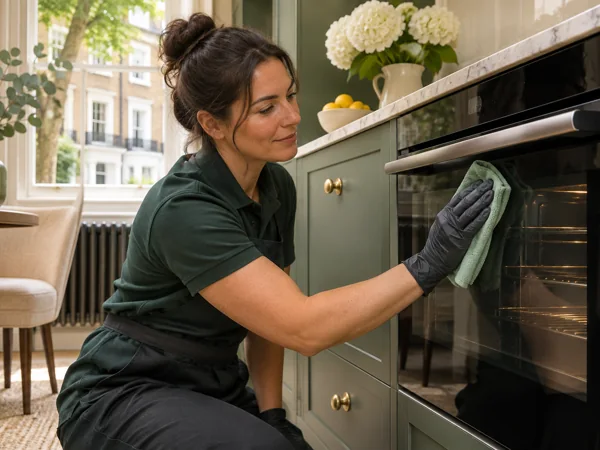
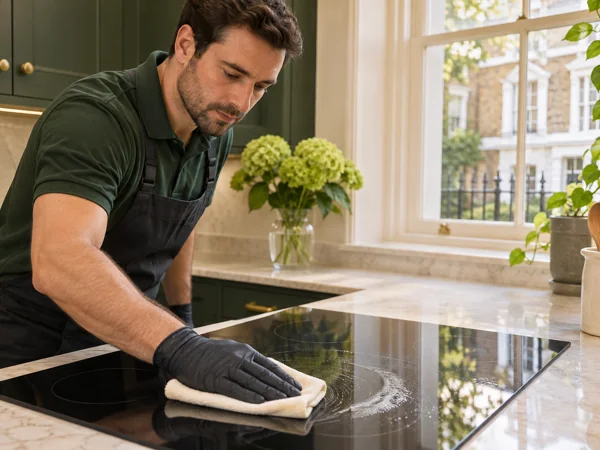
A gas hob with standing supports can have grease on a separate cap or around a burner. An induction or ceramic surface could have a single residue patch around one cooking zone. Give the type, show the controls and identify the pieces you are asking about. If a range has an additional griddle plate, list that separately and describe its finish. Tell us whether any hob needs to stay accessible while the oven is being worked on and discuss the working space before booking.
For an extractor, give the approximate height, visible finish and filter type if you know. Identify metal mesh or a disposable insert separately from the outer housing. If the hood is recessed in a wall cabinet or hangs above a separate island, show enough of the kitchen to explain access. Ask for a separate line for any extra appliance or part you want considered. Review the list with the rest of the household so nobody assumes that the hob and hood are included in a visit arranged just for the oven.
- State the exact hob type and pieces to assess.
- Describe the hood’s location and filter.
- Review separate work with the household.
Agree what happens before and after cleaning
| When | Task | Information to pass on |
|---|---|---|
| Before arrival | Leave the oven cool and clear | Which appliances need to stay accessible |
| During assessment | Show marks and loose components | Existing condition and specialist finishes |
| At handover | Ask about returning the oven to use | Instructions and accessory placement |
Plan the appointment around a busy family kitchen
Finish cooking and leave the appliance cool before the visit. Clear food and utensils from the nearby worktop, and move a chair or bin that would affect the door swing. If the kitchen is also used to get to the garden or front door, tell us which route people need. Keep children and pets away while the technician handles parts. Agree access to water and power if those supplies are restricted. Share the time the kitchen is needed again, including if other appliances nearby have to stay free for someone else.
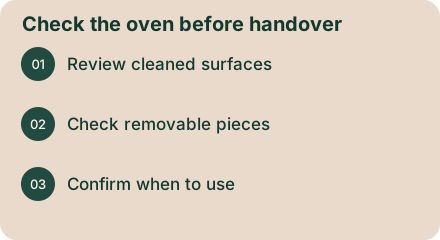
At the end, ask which pieces were treated and when the oven can be used. If another member of the household will be cooking later, tell them where their usual accessories are and how the oven should be returned to use. Let them know whether an unusual liner or a coated tray needs particular care. Leave enough time for the person receiving the handover to ask questions rather than planning to close the kitchen or give the keys to someone else immediately after the work.
- Leave the cooker cool and the nearby space clear.
- Give the next time the oven is needed.
- Make sure the next cook receives the handover guidance.
Check that the quote follows the household’s priorities
Use the postcode enquiry to send the appliance details, access route and any restrictions. Name the oven cavity and accessories you want assessed and mark any separate hob or extractor request. Include the model, photos and time you next plan to cook. If a second person will open the property, put them in touch with the agreed list and explain how to identify the cooker. Ask them to tell the technician about any known faults, surface damage or tray that has been replaced.
For a move, compare the work you want to discuss with the cooker and fittings described in the inventory. Make time either side of key handover so the oven can cool before the visit and a person can hear the advice afterwards. If the building changes the permitted equipment route or you find a loose grill insert during preparation, send an update before confirming the visit. Keep the final list with the access and kitchen timings so the person there can check the agreed items.
Get an oven cleaning quote in Rotherhithe
Request a quote with the oven type, number of cavities and any extra appliances.
Get a QuoteOther Cleaning Services in Rotherhithe
Local references · Southwark Council – Russia Dock Woodland
Rotherhithe oven cleaning questions
Can I arrange the appointment when the children are out?
Give the window when the kitchen is available and leave enough time for the cooker to cool beforehand.
Can I ask you to consider the shelves that are used by different people?
List the shelves and identify which cavity each belongs to, especially when there are spare parts.
Do you need the walkway the building faces?
Give the actual authorised visitor and equipment approach even when a public walk leads along the front.
What if an agent will take the keys later?
Arrange who can meet the technician, remain for handover and pass the advice to the next occupier.
Can I request the extractor without knowing the filter type?
Send the model or a safe photo of its cover and describe how it is reached.
What should I tell you about a previous spray?
Say when it was used and which surfaces it reached, especially if a patch appeared afterwards.