 Housekeeper
Practical carpet care for lived-in homes
Carpet Cleaning in Becontree
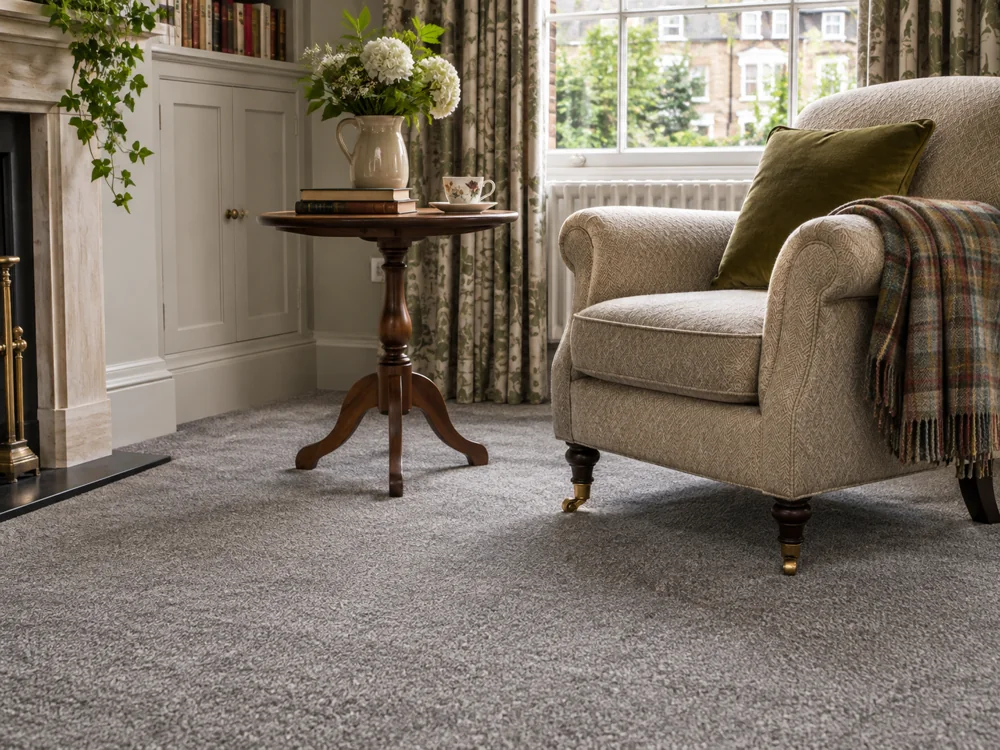
Start with the carpets you want cleaned in Becontree and explain which need assessment before anything else. List the fitted rooms and stairs alongside any loose items, then give access details. We can discuss what may be suitable and how to leave enough time for each carpeted area to dry.
What should I send for carpet cleaning in Becontree?
Provide the full address, fitted areas and stair count, and clear photos of any loose edge, wear or stain.
Can a bay carpet be included?
Yes, describe the depth and width and explain which parts are accessible around the furniture.
Explain a final turn into a close or along a common path
The council-led Becontree Forever project describes the Garden City influence on houses and refers to the estate’s banjo closes. When you live on a close, describe which opening to take and where the number can be seen once you turn in. Give the full address rather than using one of the nearby houses as the destination. A path shared with another property can look like its own entrance. Explain which gate is yours, whether the path is level and how to reach the door without going through a garden that is not part of the property.
Mention any place where it is difficult to pass with equipment, such as a gate opening inwards or a turn between a bay and a fence. If the route goes through a shared porch, confirm that it is available during the appointment. Give the name and number of the person who can meet the technician if there is a separate entrance arrangement. Make sure that person knows where the equipment will need to go after the door opens.
- Include the full address and how to see the door number.
- Show the approved path, gate and any steps.
- Choose a contact who knows the route.
Include the hard-to-measure features
| Feature | Useful measurement or image |
|---|---|
| Bay | Depth, width and position of furniture or fixed seat. |
| Stair flight | Number of treads and risers, plus a view of the fixing. |
| Carpeted landing | Size and where it changes to boards or another fitted piece. |
Measure carpeting around a bay, stairs and connecting hall
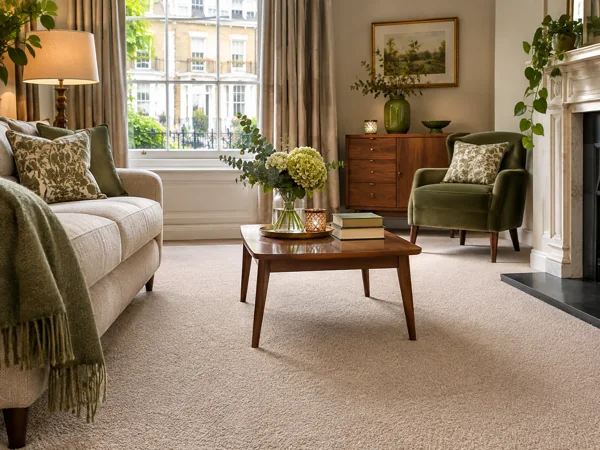
Look at fitted carpet around the edge of a bay or chimney breast, especially if measuring from the main walls would miss a section. Give the width at the doorway and another dimension at the widest point. Tell us if the carpet continues under a partly accessible seat or fitted shelf. A photo across the width of the room can show the overall fit and the part that is open. If you use a rug or mat on top, describe it on a different line with its actual dimensions and care label if visible.
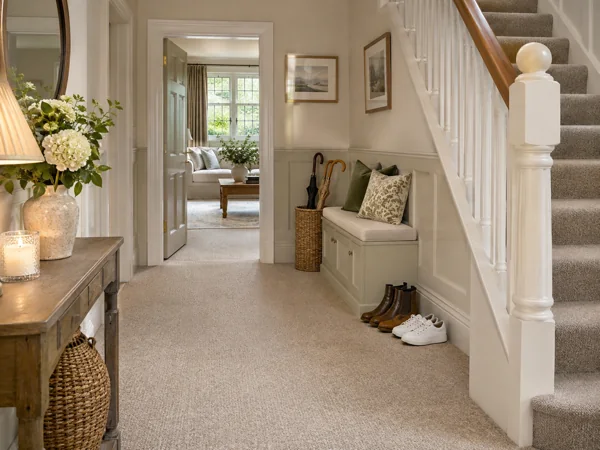
For a stair enquiry, count treads and carpeted risers and note one or more landings. If there is a stair rod, a mid-flight turn or a narrow strip returning onto the hall carpet, show the position in a photo. Describe a loose fixing without moving it. Write down whether the hall needs attention as well. A broad room count leaves these details to chance, while a sketch can establish the fitted areas before the work is discussed.
Where a bay also has a window ledge at floor height, clarify if that is carpeted or just sits against the fitted area. Check whether a long curtain covers the edge and whether you can tie it back safely. The same image can show a heating pipe or vent below the window that ought to remain easy to reach when the carpet is ready to use.
Point out changes where light or traffic reaches the bay
A bright part of the room can look different from a section protected by a sofa or heavy curtains. Take a picture down the length of the room and another from where you normally notice the change. Show the position of furniture or the curtains in a wider view if they are relevant. If the pile is flatter along the approach to the bay, describe the usual route across the room and when you noticed it. The assessment can consider dye change, wear and soiling together without treating all visible differences as similar stains.
For a mark that appeared after a particular incident, give a separate account of what reached the carpet and anything applied in response. Add the label of a product if possible. Report recent dampness or odour, including under a loose piece. Explain whether a dark patch returned after drying. A cleaning assessment can help establish a suitable method and discuss what might remain visible where fibres or dye have changed.
- Show window position and any furniture that covered the pile.
- Give the history of a sudden spill separately.
- Flag a mark that returns or is still damp.

Make access around a radiator or low cupboard clear
If the carpet runs up to a radiator pipe or behind a heavy cupboard, show the gap as it is. Avoid lifting anything that needs two people or moving a fixed panel for a photograph. Choose safe places for items that can be relocated by the resident, away from the narrow route through the hall. Look for trailing cables and floor covers around beds and desks. Record the approximate carpet that can be reached when everything else stays put. If something will be removed for a delivery, explain how far in advance it can be cleared.
Confirm how the doors will swing when chairs or boxes are moved. You may need to open a bedroom cupboard or reach a switch while the carpet is drying. Leave a clear space around any essential controls and put belongings needed in the next few hours in a dry area. The technician can discuss treatment around the accessible edges once the room is ready and its condition can be seen.
- Show the edges around fixed and heavy items.
- Find a storage place beyond the hall and stairs.
- Keep reachable controls and essential items clear.
Describe what changed
| Observation | History to send |
|---|---|
| Uneven colour by a window | Furniture and curtains that usually cover the area. |
| Mark after a spill | Substance and any products or water applied. |
| Returning patch | When it reappears and whether it is damp or has an odour. |
Identify a suitable approach for the carpet actually fitted
Ask whether you have a sample, invoice or care instructions when starting the enquiry. A fitted bedroom may have a different fibre or backing from a carpet chosen later for the stairs. Send information about each part. Point out any lifted join or repair on arrival and say if the surface reacted to past cleaning. The technician can assess construction, visible backing, condition and colour stability and discuss any tests. Keep a spare sample ready rather than pulling the carpet away from a skirting board to show the underside.
Water-based extraction may be appropriate where the assessment supports it. A lower-moisture method or specialist assessment may be discussed if the material, backing, dye or condition needs more care. Give each loose rug its own size, condition and construction. Items with decorative edges or a damaged fringe might need different handling from fitted carpet. Let us know if an item is particularly important so it can be identified before discussing other parts of the work.
Put daily belongings on the dry side before treating a hall
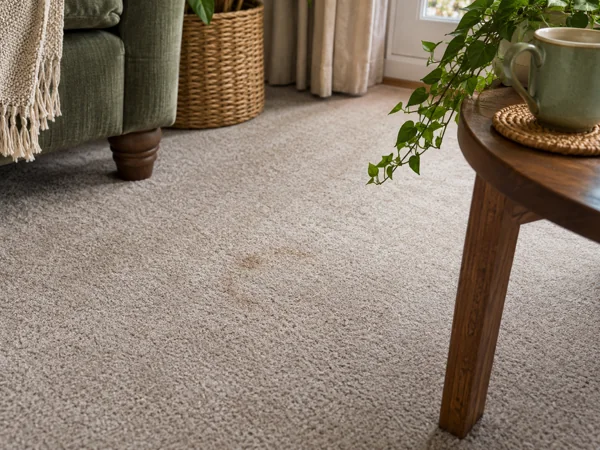
Choose a place people can use while the carpeted hall or stairs are being cleaned and drying. Make a note of the route between that space and the bathroom. Bring medicines, keys, school bags or pet supplies to that side before the visit. Tell us who needs to use the main door in the afternoon and whether a dry alternative exists. Put a safe waiting place for a pet away from equipment and explain if that restricts the windows or doors you can open. Agree the room order based on these decisions.
Drying depends on how the carpet is made, the method and the amount of safe ventilation. Explain if the hall has no opening window and how air can reach it. Follow guidance on safe use and ask before returning a runner, box or piece of furniture that covers the pile. If visitors are expected, give them the route they can take after the work. Ask the person who meets the technician to record the instructions for anyone arriving later.
- Put keys, bags and medicine on an untreated floor.
- Tell us when you need the hall or stairs.
- Share the aftercare advice with the next person home.
Agree plans for an occupied house
| Point in the visit | Practical check |
|---|---|
| Before arrival | Gate, authorised path and a dry spot for furniture. |
| During work | Alternate route to essential rooms and a space for pets. |
| During drying | Safe airing and guidance for using stairs or returning rugs. |
Work out how equipment passes the front of the house
Check the width and surface of the approved path, including steps and any slope. An entrance from the street may be easy to reach until the door is opened and the turn by a shoe bench is visible. Tell us about such limits before accepting the quote. Confirm any lawful temporary unloading place and flag how far it is from the entry. If another household uses the shared route, agree how it can remain available to them. Where a key needs to come from somewhere else, collect the correct house or gate key in advance.
If a garden gate or porch is going to be replaced or repaired around the appointment, send the access details that will apply on the day. Verify the route can be used at departure and ask the keyholder whether times can be adjusted if necessary. Have one contact ready to answer a question about the property, rather than relying on a person who has never been inside.

Confirm the work against a room plan and a timing plan
Read the estimate together with what you measured and the descriptions of surfaces. Ask which fitted stairs, landings or loose pieces are included and note what will be inaccessible because an item stays put. Identify marks that need a separate inspection. Give the person on site a list of priorities and how to reach someone who can approve changes. If the property has more than one entrance or a visitor is due during the appointment, list the latest information so nobody uses old directions.
After the visit, ask how to manage air, furniture and the first walk through the room. Share that guidance with the household. Confirm who is responsible for locking any gate, checking windows and returning keys. If an inspection or new tenant requires access soon, include the timing in the agreement. A single note can bring together the agreed work, limits of access and drying instructions for everybody involved.
Get a carpet cleaning quote in Becontree
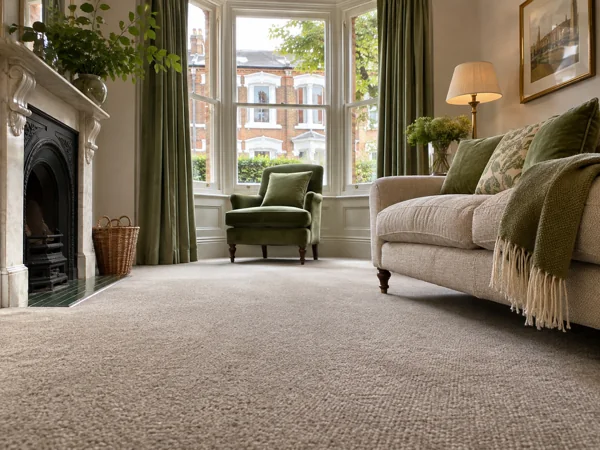
Request a quote with the carpeted rooms, stairs and any loose items listed separately.
Get a QuoteOther Cleaning Services in Becontree
Local references · Becontree Forever: project background and history
Becontree carpet cleaning questions
How do I describe a home in a close?
Give the street and full postcode, then explain the turn, gate and way to identify your number.
Do carpeted stair risers need counting?
Yes. List them with the treads and describe any change in surface or fixing.
Can you look at a pale area by the window?
Show the position and tell us whether it appeared gradually and what normally covers it.
Should I send a photo of the carpet beneath a cupboard?
Leave the cupboard as it is and show the open floor and accessible edges around it.
What if a spot returned when the previous clean dried?
Mention the timing and any cleaner used, along with current moisture or smell.
Can I keep a dry route through the home?
Describe when essential areas are needed and discuss the order and drying requirements before booking.