 Housekeeper
Inspection, preparation and extraction
Carpet Cleaning in Beckton
A Beckton carpet cleaning request is easier to plan when it separates fitted carpet, stairs and loose rugs. Tell us where each is, what you want checked and how the property can be reached. We can discuss a suitable way to clean the carpet after its material and condition have been assessed.
How do I request carpet cleaning in Beckton?
Send the address, fitted rooms and stair measurements, photos of marks and any loose rug to be considered.
What if a park is the closest landmark?
Name it for orientation and provide the exact house or block entrance for equipment.
Give directions beyond a park or estate name
Newham Council’s Beckton Parks masterplan describes Beckton District Park North and South, New Beckton Park and the Beckton Corridor as different places. A park name can put someone in the right part of Beckton while leaving the final approach unclear. Give the full postcode, street and property number. If the front door is reached from a pedestrian path rather than the side where vehicles stop, explain which way to walk from the approved point of access. State whether a gate can open wide enough and where an occupant can meet the technician.
A door number can be repeated between a street and a block of flats. Provide the name or number on the building as well as the flat label. List any steps to the ground-floor door and any stairs or lift after it. If the approach through another entrance has been agreed with the person responsible, describe that route separately. Confirm that it works when the technician needs to take equipment back out as well as when they first arrive.
- Separate the full address from a nearby landmark.
- Identify the authorised walking and equipment route.
- Tell us where steps and locked doors occur.

Identify which floors have fitted carpet or a removable section
Look at the entrance to each room, including the floor underneath the door. Carpet sometimes crosses a doorway without a separate joint, and sometimes there is a small carpeted section with a different backing or fitting. Tell us where each area starts and ends and whether all of them are part of the request. Give the approximate width and length of a fitted strip in the hall. If a room has a hard extension, note where the surface changes and include a photograph so the carpeted area can be distinguished.
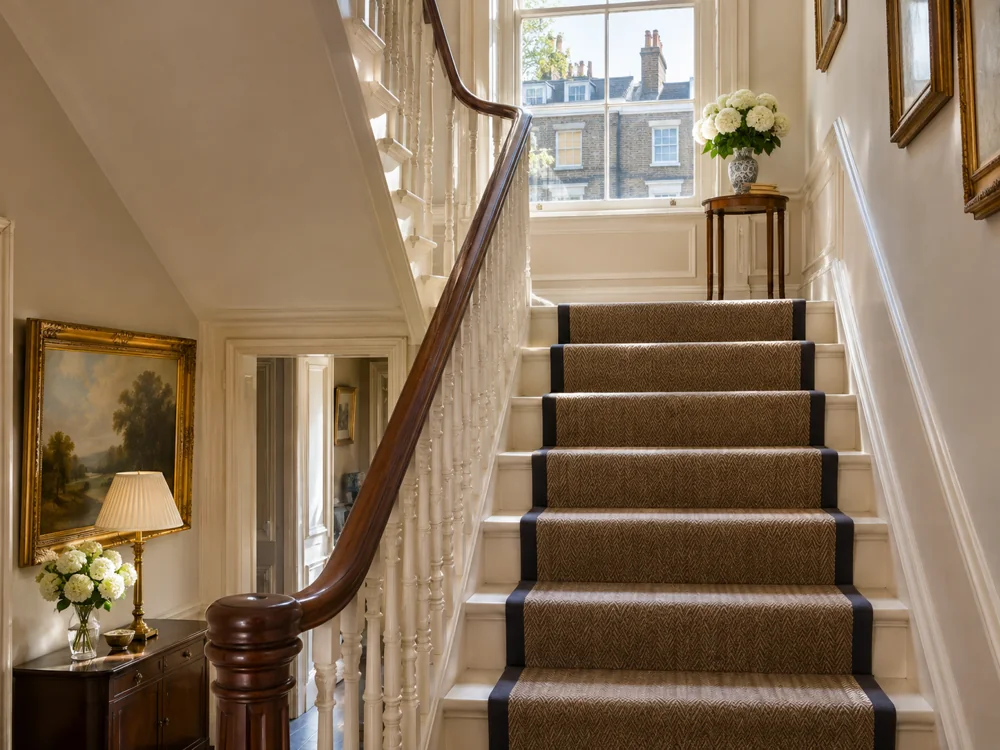
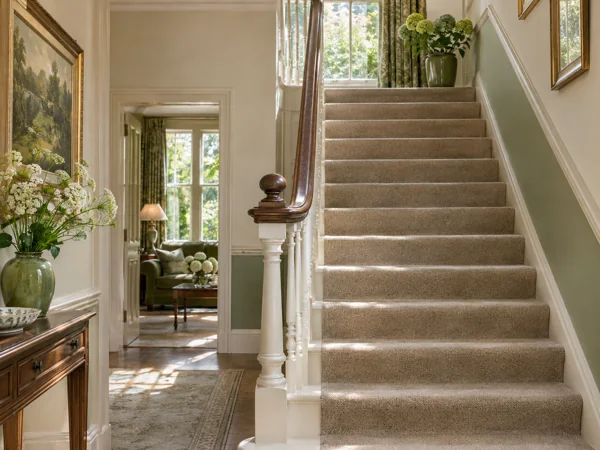
For stairs, count the carpeted treads and risers and note the shape of any turning step. A runner may have edging or a fastening that needs a close look. Send its width and lengths and mention wear around a rod, seam or fixing if you can see it. Provide the dimensions for loose rugs separately. Indicate where a mat covers part of a fitted carpet, and keep the two in the list as separate surfaces for assessment.
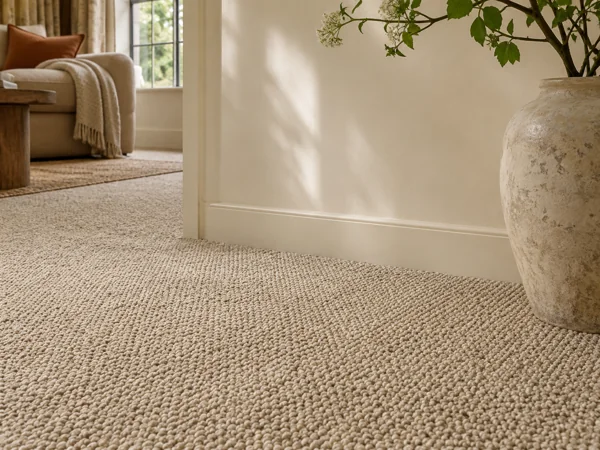
Report mud at the entrance before it gets mistaken for a spill elsewhere
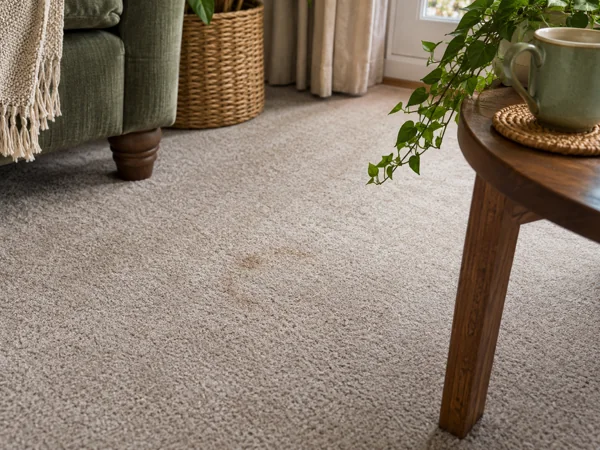
A hall can carry soil from wet footwear while the living room has an old spilled drink. Give each problem its own description. Take a picture of the entrance showing where the mat and shoes normally are, then a close view of the part you want checked. Tell us when you notice the most visible line or patch and what happens when it is wet outside. Explain what you usually do to the carpet when soil comes in. Keep details of any cleaner, powder or water used and note if the surface feels different afterwards.
If the visible mark extends into a hard floor or loose mat, identify what happened to each surface. Report any smell, current dampness or spot that comes back after drying. Some wear and changes in pile or dye may show even after normal soiling has been treated. The assessment can consider whether the appearance is related to foot traffic, a particular incident, previous cleaning or other condition. It helps to know which possibility is important for you to discuss.
- Photograph the traffic route and pile separately.
- Explain previous cleaning and any change after it.
- Mention dampness, odour or repeat marks.
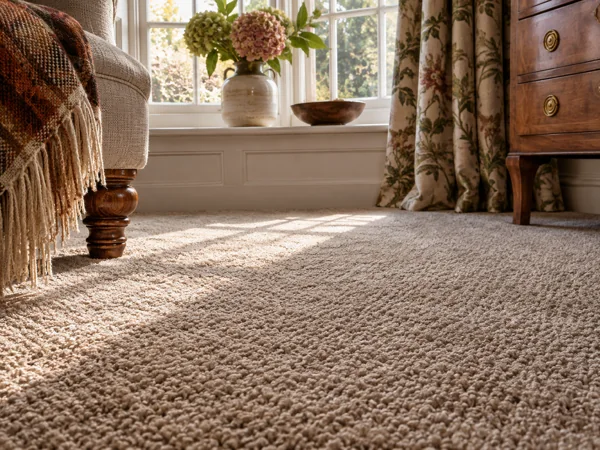
Include the edges and small areas
| Surface | What to show |
|---|---|
| Fitted hall | Approximate dimensions, thresholds and adjoining floor. |
| Turning stairs | Tread count, risers and any vulnerable fixing. |
| Rug above fitted pile | Size, label and condition of the backing or edging. |
Decide what can be cleared from a family room
Before the visit, agree where toys, dining chairs, small bookshelves and leads can go without preventing access to the rest of the home. The easiest waiting place may be an untreated room that people do not need during the appointment. Leave enough space to open its door safely, and do not put essential items under a pile of furniture. Look around the edge of the carpet for a low cable or an object that might be unstable on a shelf. If you can, take a photograph from the doorway after the relevant items have been moved.
Leave heavy or fixed items in place unless the resident has made a safe arrangement to shift them. Show the remaining carpet and describe the gap beneath a sofa or bed. If the resident uses a desk, power outlet or chair during the visit, specify what has to stay open and which leads they can move. A clear estimate will account for the space that stays occupied and the parts of the floor that will actually be accessible.
- Choose a waiting space for furniture and belongings.
- Show what will remain in each room.
- Put cables and items needed later away from the work.
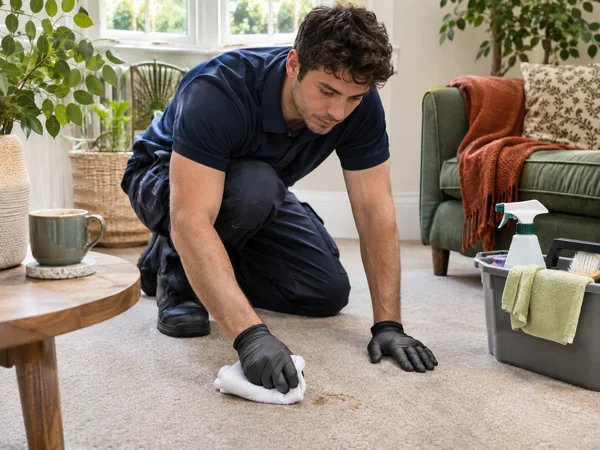
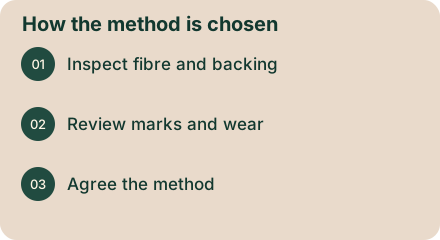
Show fibre and fitting information before agreeing treatment
If a label, invoice or sample is available, send the main information about the carpet and leave it accessible for the visit. Where carpeting differs from floor to floor, explain which room uses each material. The technician can look at the fitted condition, the visible backing or joins and the response of the pile if a check is appropriate. Highlight an old repair, a pulled loop or a weak edge before the carpet is inspected. An offcut can show construction without having to disturb a fitted surface. Ask how such an inspection affects a suggested method or the items included.
Water-based extraction may suit a carpet after assessment of its material and condition. A lower-moisture approach or specialist assessment might be considered where a sensitive backing, fibre or dye raises concerns. A loose piece on top can behave differently from the fitted carpet below it. List the rug dimensions, care information and edging separately. If some carpet can only be reached around furniture, say where the accessible area ends so the inspection reflects the planned work.
Distinguish different carpet changes
| Visible issue | Details that help |
|---|---|
| Soil at the front door | Normal footwear route and how the mat is used. |
| Spill in a room | Date, substance and products applied. |
| Paler or rougher patch | Time it appeared and what was on the surface before. |
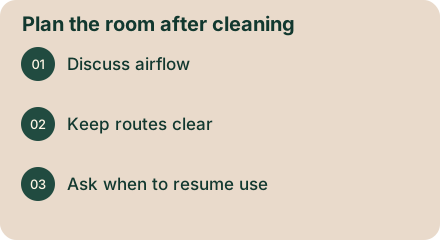
Plan what children, visitors and pets will do while rooms dry
Decide which room can stay dry and readily available. Move school bags, medicine, pet bowls or a work laptop there before the visit. Tell us if your household will use different parts of the home at particular times or if the fitted route to the front door is the same one everyone uses for the bathroom. Describe a step or a narrow turn around furniture that could prevent using an alternative way through. If a pet has to stay in a closed room, give the knock-on effect for opening windows or keeping doors open.
Drying varies with carpet, treatment and room conditions. Tell us what ventilation you can safely use and who will be home to check it. Follow the guidance for returning mats, low baskets or heavy furniture. Put the aftercare instructions somewhere everyone can see them if several people will come back at different times. Mention a delivery or another visit before confirming the cleaning time so the order and likely drying needs can be discussed.
- Keep essential belongings somewhere dry and accessible.
- Let us know when people will use the main routes.
- Share the drying advice with anyone arriving after the visit.
Check the full route or unloading arrangements beforehand
Give any place where you have confirmed equipment can be brought towards the house and describe how far it is from the entrance. It might be a long stretch beside a row of doors or a path that crosses a change in paving. If an internal route involves a lift or doors that only residents can use, arrange who will hold or release them. Tell us if a manager needs to be approached for another form of permission. An approved route should remain available until equipment can be removed again.
If somebody needs to meet us at a gate rather than the flat, confirm when and how to contact them. If building work, a move or a vehicle visit is planned, ask whether it will affect the route. Give revised details when access changes rather than hoping the technician can find a second entrance. Keep the shared part of a building clear unless the person responsible gives explicit guidance about where items may wait.
Hand over an agreed list of rooms and any special carpet areas
Review the estimate with your measurements and photos. Keep fitted rooms, stairs and loose items clearly identified. If a new wear mark appears or a heavy piece will stay in place, update the details. Agree who can discuss a different method if treatment changes after inspection. Give the person who opens the door clear instruction on what is a priority, and tell them where to find the relevant care information. If there is a particular room you need back first, say which route must be available when it comes back into use.
After the visit, choose someone to put ventilation and aftercare guidance into practice. Make sure occupants can find information for any route or furniture they want to use. If somebody else will return the key or check on the carpet, give them the agreed times and the latest instructions rather than relying on what happened during another visit. If a handover or appointment will reduce drying time, raise it while the visit is still being discussed.
Keep a workable route for the household
| Stage | Decision |
|---|---|
| Arrival | Use the approved door and explain the path from unloading. |
| While rooms are treated | Keep some floor dry and within reach of essentials. |
| After cleaning | Agree who follows airing and drying advice. |
Get a carpet cleaning quote in Beckton
Request a quote with the carpeted rooms, stairs and any loose items listed separately.
Get a QuoteOther Cleaning Services in Beckton
Local references · Newham Council: Beckton Parks masterplan
Beckton carpet cleaning questions
Should I list the strip at our hall entrance?
Yes. Show where it stops and whether the main carpet continues past it.
How do I describe a home reached by a footpath?
Give the full address, the authorised approach from the road and the door at the end of the path.
Can I send carpet photos after we clear the room?
Yes. A current picture can show where there is access and what has been revealed by moving an item.
Is cleaning a loose rug part of fitted carpet cleaning?
List it separately with the size, care instructions and any backing or fringe so it can be assessed.
Do I say if a hallway is the only way to the bathroom?
Yes. Give the route and times it is needed, so the order of work and drying can be discussed.
What if we already used water on a stain?
Tell us how much you know about the treatment and the condition afterwards, including current dampness.