 Housekeeper
Fitted carpets and localised marks
Carpet Cleaning in Barkingside
Tell us which carpets you want checked when requesting carpet cleaning in Barkingside. Send the fitted areas and a description of the things you notice, including marks, worn pile or raised edges. We can discuss suitable methods and plan access, furniture and the time you will need to leave rooms clear afterwards.

How can I get a carpet cleaning quote in Barkingside?
Send the address, fitted floor list and photos showing stairs, raised edges or areas of concern.
Can I keep the entrance usable while carpet dries?
Tell us how and when people need to come in, and agree which dry route they can use.
Distinguish the front door from nearby High Street premises
Redbridge Council’s street trading consultation lists Fencepiece Road, Broadway Parade and the High Street within the Barkingside district centre. Use a familiar street to help set the direction and follow it with the house number, postcode and the name on the actual door. If yours is above or around the corner from another premises, provide the street the entrance faces and explain which gate or stairs reach it. Tell us whether a resident or caretaker opens the door and if that person lives at the address or is coming from somewhere else. A precise contact plan also matters when a visitor has to use a buzzer on a second door.
Before agreeing an appointment, check if there are access steps that are hard to see from the road. A front garden path may cross a slope or turn between a low wall and a porch. Mention a gate that closes by itself or a tight corner just inside. If access to the building must use a separate route, confirm that with the owner or manager and provide an updated description of the authorised approach.
- Give the building and the actual private entrance.
- Point out any narrow steps, turn or gate mechanism.
- State who can grant access.

Count stairs and alcoves before drawing up a list of rooms
A small flight can contain fitted tread carpet, painted risers and a carpeted landing that is longer than expected. List those parts so the estimate can describe what you want. Count each tread and describe the shape near the bend. Tell us if the runner is fixed with rods or has an edge that moves. Give approximate widths and dimensions for sections with no obvious boundary. Show the point where the carpet meets timber, tiles or another fitted surface, because the edge affects how the area is reached as well as what is included.
For a bay or alcove, include the portion where the fitted carpet continues around fixed joinery if there is access to it. If a fitted bed base or cupboards conceal part of a room, explain what remains reachable. Mark a loose mat separately and provide a label or size where practical. Simple names on a sketch, such as landing by the kitchen, can help distinguish two similar-looking patches or stairs.
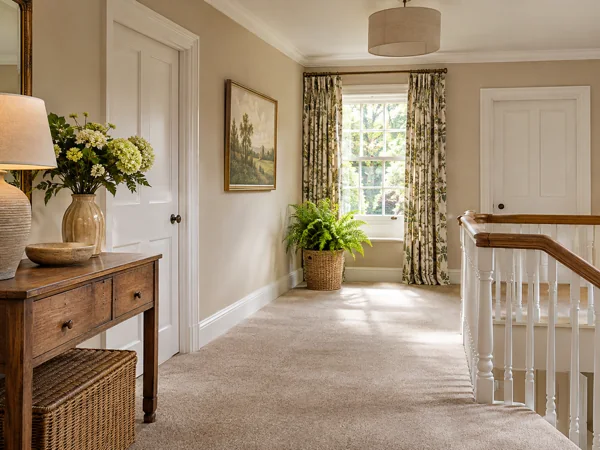
Measure carpet features separately
| Feature | Detail to give |
|---|---|
| Bay recess | Depth and width, plus where built-in pieces limit access. |
| Carpeted steps | Treads, risers, turns and visible fastening. |
| Loose entrance mat | Size, label and how it sits against the fitted floor. |
Note marks around the front door as a group of conditions
The main entrance may see tracked-in soil, flattened pile and a spill within a short distance. Describe each area you want checked. A wider photograph will show the relation to the door, outside mat or footwear storage. Take another image close to the pile so worn loops, dark edges and changes of feel are easier to locate. Note which parts have been there a long time and which appeared after an incident. If wet shoes are normally kept on a tray there, show where the tray sits rather than assuming an outline must have come from a mark below it.
Report current moisture or an odour early. Give the spill history and anything applied after it, including water, a spot treatment or a household cleaner, if known. Keep the label where you can find it. Some soil can be addressed by suitable carpet cleaning, and some colour or fibre changes can remain after assessment and treatment. Aim to give enough detail for each condition to be considered independently.
- Show the site of each mark alongside the door or furniture.
- Distinguish recent spills from long-term wear.
- Mention dampness, odour and products already applied.
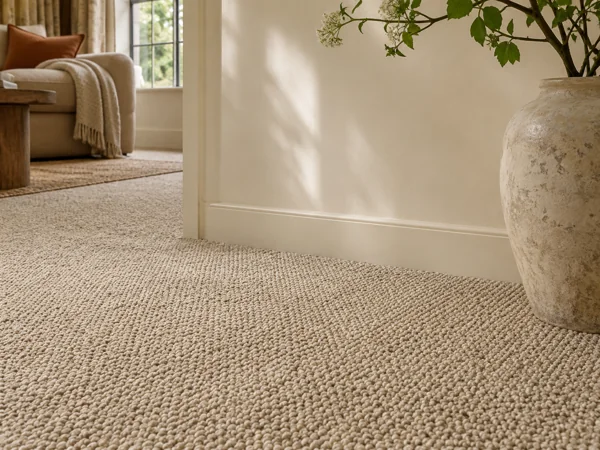
Show the list of items that stay before moving the rest
If there is a bed with storage below or a sofa supported by heavy feet, leave it in place while you describe the room. Send a photo showing as much of the carpet as can be reached. Make a list of pieces the resident can safely relocate, such as a small table or loose chair. Choose a space for those pieces without using the only path to the carpet or to the front door. Keep electrical leads outside the working area and move sensitive or unstable items from low shelves that are likely to be passed closely.
Where an item will be removed separately, confirm which day and how much access that creates. A carpet under furniture can vary in colour or pile compared with the route used every day. Send a picture of a newly visible mark or repair as soon as you can. If the room needs to remain partly in use during the visit, say which furniture or sockets have to be accessible. Agree the expected reachable area before accepting a quote.
- List the sturdy items that have to remain.
- Clear leads and small items from the route.
- Share a revised photo if the layout changes.
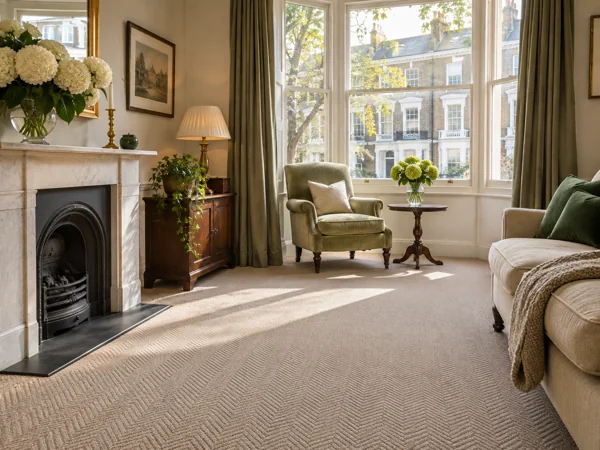
What the entrance carpet can show
| Visible issue | Helpful evidence |
|---|---|
| Dark area near the door | Picture showing the mat, door and walking route. |
| Recent spot | Substance and any attempt to lift or rinse it. |
| Loose edge | Close photograph at floor level without moving it. |
Choose treatment with the edge and backing in view
Check whether you have the carpet care instructions or an offcut. Keep them nearby for the assessment and point out any seam or repaired piece. Say if the bedroom was fitted by a different supplier from the stairs. A similar colour does not show that the fibres or backing are the same. On site, the technician can inspect construction, condition and dye response and discuss relevant tests or limitations. A weak edge at a door or a repair under a window is easier to assess when its location is known first.
Water-based extraction may be suitable after checking that the construction, fibres and condition can take it. A lower-moisture approach or specialist assessment may be discussed for sensitive or unknown carpets. Identify any rug independently, with its label, size, edging and any visible backing. Where a runner is secured at a staircase, explain how it is held and avoid lifting it to record those details. The proposed method can be considered only for the surface and conditions described.
Make a plan for people coming in from school or work
Work out when people are likely to need the main carpeted hall and what they have to reach when they get inside. Put bags, medicines, work equipment and pet essentials into an untreated area accessible by a dry route. If the stairs are part of the appointment, check where people can wait without crossing them or a change of level. Tell us if a pet has to remain indoors while windows or doors are normally opened. A drying plan needs to consider how occupants behave and what they will be able to do on the day.
Different carpets and rooms can take different times to dry, depending on treatment and conditions. Explain which windows can be opened safely and who can check the house later. Follow the advice before returning mats or solid furniture. Give it to the person expected home first so they can use the dry route and put their belongings in the right place. If a job needs an area ready for an event, tell us before confirming the visit.
- Identify who needs the hallway and when.
- Arrange a dry place for essentials before the visit.
- Share the drying instructions with everyone returning.
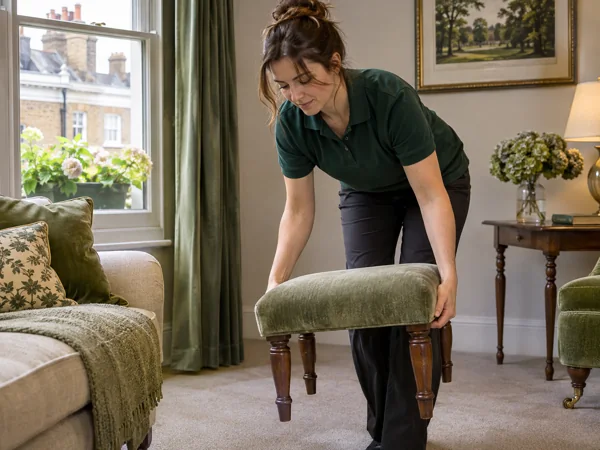
Confirm the practical arrival plan separately from the carpet list
If you have permission for unloading near the home, give the place and time that you have confirmed. Describe the route from there to the entrance, adding any route over a step or through an inside passage. If you live in a building where management has ordered floor protection, a lift booking or a sign-in process, explain who arranges it. Where one person controls the key and another manages the entrance, provide an accessible contact for both arrangements and confirm what will happen if the expected time changes.
Ask about any access change planned on the same day, such as moving furniture or opening a different gate for maintenance. Tell us if additional work in or near the property will reduce the space to pass. For a person waiting at the door, explain where they can stand clear of residents who need to come through. Equipment also has to leave at the end, so confirm that the authorised route can be used for departure as well.
Give household members a plan
| When | What they need |
|---|---|
| Before arrival | Date, furniture that will move and space for belongings. |
| While working | A dry route to essentials and a place to wait. |
| After cleaning | Drying advice before using or covering the carpet. |
Keep a copy of the estimate for the person receiving the advice
Compare the estimate with the fitted area list and what you can clear. Check the smaller areas and loose items because they can be easy to assume without discussing. Where wear or a previous repair needs to be inspected, keep the issue in the notes and say who can make a decision at the property. Tell us which room should come first if people are relying on a dry route. Write down any change since the original enquiry, including a newly visible mark and whether the access or furniture layout will differ.
If a different person has to guide occupants back through at the end, give them the contact and the agreed room names. Ask them to record which ventilation applies and whether anything has to remain off the carpet. Confirm who returns the keys and who would take a question about the condition of the floor. If another visit is arranged, send the timing so the drying plan and property handover can be considered together.
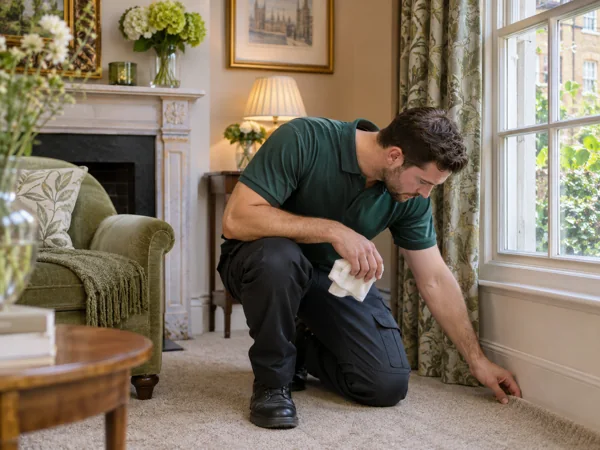
Get a carpet cleaning quote in Barkingside
Request a quote with the carpeted rooms, stairs and any loose items listed separately.
Get a QuoteOther Cleaning Services in Barkingside
Local references · Redbridge Council: streets proposed for designation for street trading
Barkingside carpet cleaning questions
What should I send for the carpet near a shared door?
Show which part lies inside your home and ask management about any carpet you want considered outside it.
Do I include a half landing in the stair count?
Record it separately and show what joins the carpeted treads.
Can you consider the area beneath a carpet protector?
Tell us how it is fixed and remove it only if it can be moved safely. Show any marks it concealed.
What if somebody comes home while the hall is drying?
Give their timing and the room they need. Discuss a dry route and make sure they receive the advice.
Can I quote for a runner and a bedroom together?
List both with their own material and size details so they can be assessed individually.
What if a neighbour has the only key?
Give the agreed key arrangement and an available contact for arrival and return.