 Housekeeper
Assessment for carpets with wear or marks
Carpet Cleaning in West Hampstead
Ask for a West Hampstead carpet cleaning estimate using a short list of fitted floors, stairs and carpets you want examined. Show the condition of the pile and explain how to get from the street to the right door. We can discuss the options for the carpets and practical timing for the rooms.
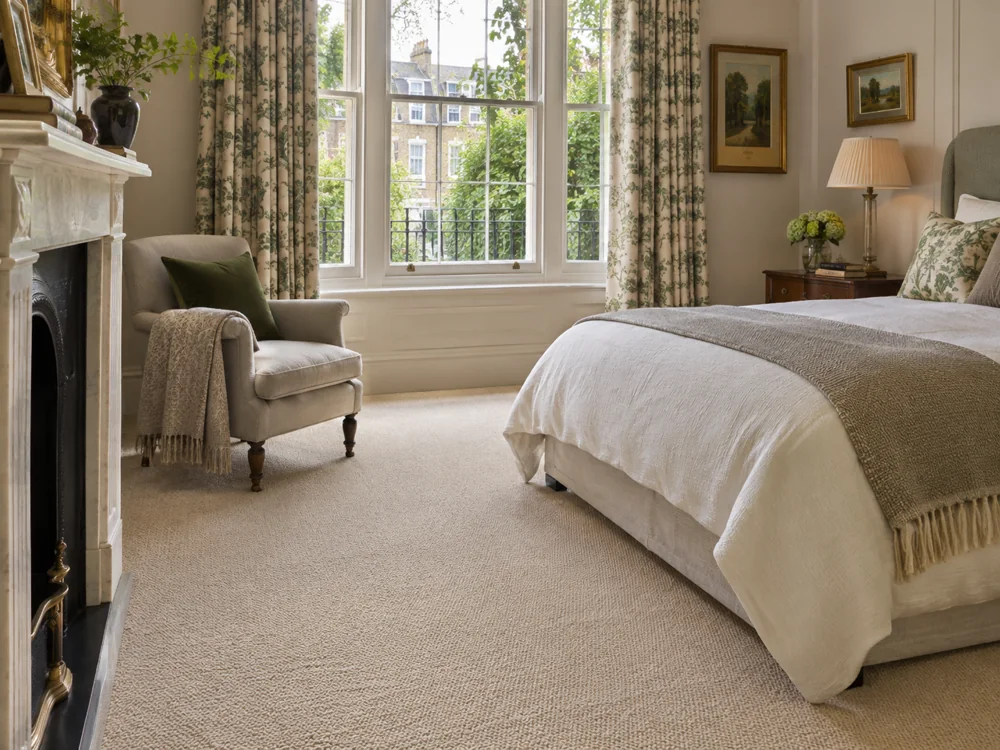
What helps with a West Hampstead carpet cleaning quote?
Send the fitted floor list, steps and loose items, with images of marks and the actual residential entrance.
Can I leave a heavy dresser in place?
Show the accessible floor around it and discuss which parts of the carpet should be included.
Use the main road or side street as a useful final reference
National Rail lists the West Hampstead Overground station on West End Lane and the separate Thameslink station on Iverson Road. Specify which road you are referring to if a station is part of the directions. Continue with the actual street and postcode, house number or block name, and the flat label. If the approved door is along a path at the side of the building, describe the corner and where the gate is. A block number seen from one street may be a poor guide to an entrance facing another. Say where to stand to see the correct bell.
Check if equipment can be taken through the same doors and stairs as a resident with a bag. A narrow turn above the communal hall is worth an extra line in the directions. Tell us whether we can be met at the first door, and who should handle the key if the home is vacant. If management has offered a lift or service access, explain when that route is available.
- Give the actual address and full flat label.
- Locate any side path, step or bend.
- Name the person who confirms the permitted approach.
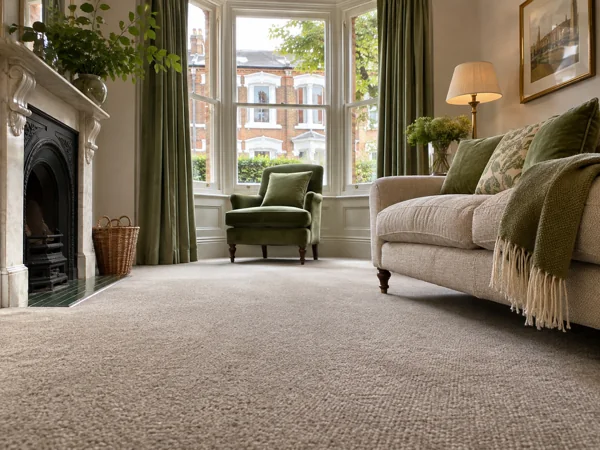
Measure carpet on both sides of a small change in level
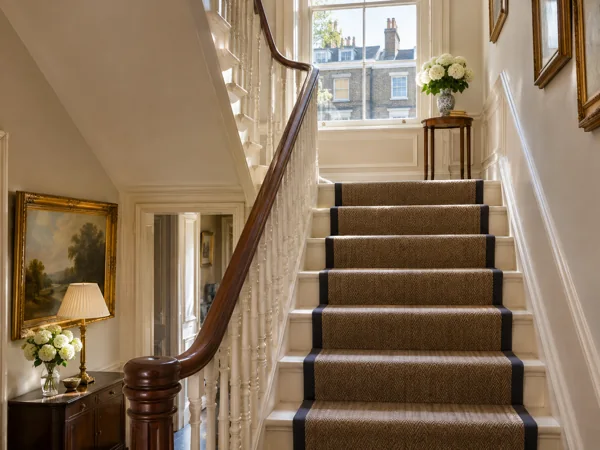
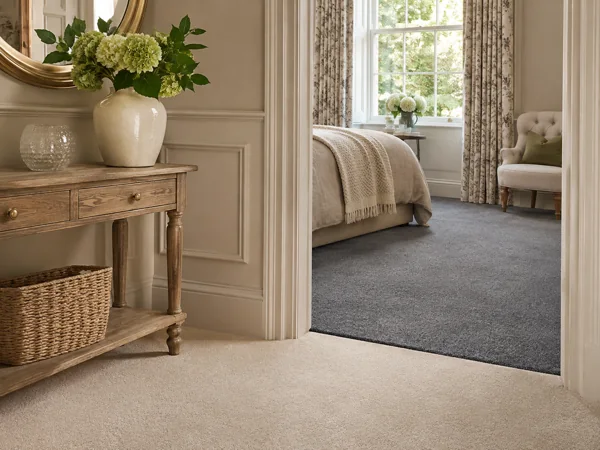
A doorway can divide a pair of fitted rooms while a small step up into the second room may be carpeted on the tread and riser. Give a rough sketch, measure each floor section and mark the height change. Show a threshold that is accessible only with the door open. If a fitted mat or strip is limited to the entrance, explain whether it is part of the work. Count carpeted treads and risers in a staircase and include any turn or landing separately. A photo made from the top and another from below can reveal different features.
If a runner lies over timber, describe how much it covers and how it is held. List loose rugs by their actual measurements and identify the visible border or backing independently of the surrounding fitted carpet. Tell us if the route from the private door to the street crosses another carpet installed by management. Obtain the correct contact if you wish to discuss any building surface. Taking these measurements ahead of the visit helps ensure the estimate covers each section you meant to include.
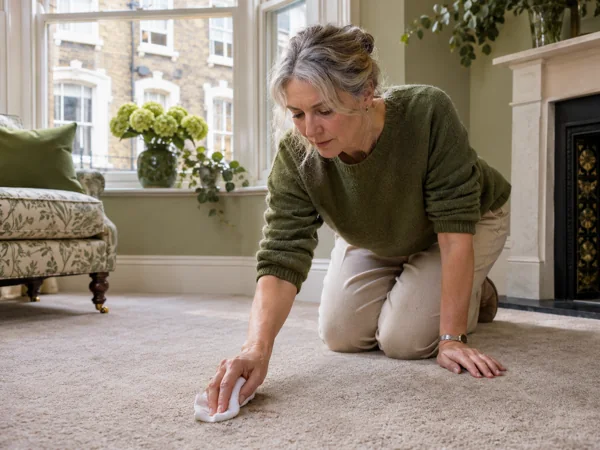
Describe areas that look pale beside a window or seat
Walk around the room while there is daylight to see whether colour differences change as you move. A strip of pile at a window can look uneven where a curtain or chair has protected part of it. Show what normally stands at that point and when it was moved. Send a picture across the carpet with the window visible and a closer view of the pile. Mention a mark that appeared suddenly after a spill separately from a gradual change. If you have a previous photo of the same place, it may help show how the carpet has changed.
The technician can look at the pile, observe condition and consider what may be soil as opposed to wear or dye loss. A light area can also follow the direction of the fibre or an older product used on a stain. Record any known use of a product before deciding what you expect the treatment to do. Some areas may remain visibly different after cleaning.
- Show where the window or furniture lies.
- Supply views across and along the pile.
- Describe gradual wear and sudden incidents separately.
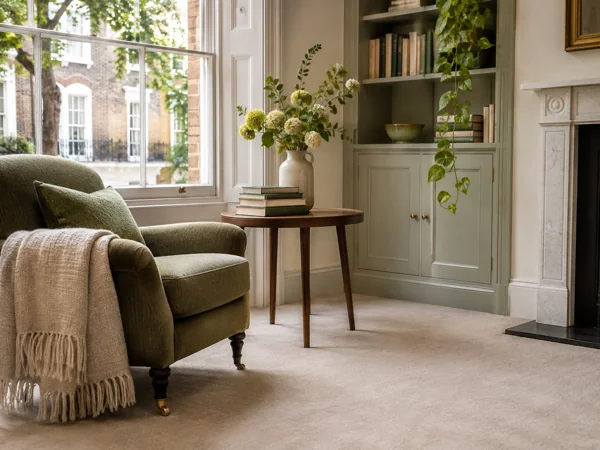
Describe a home with more than one level
| Carpeted surface | What the estimate should use |
|---|---|
| Raised room | Size of fitted area and any carpeted step at the door. |
| Staircase | Treads, carpeted risers, half landing and fixing details. |
| Long runner | Length and width, materials and visible fastening. |
Show if a spill crossed into the hallway
A liquid can run under a door and spread farther than the remaining dark patch. Tell us where it first reached the carpet and how far you noticed it moving. Include a picture of the doorway or adjoining surface as well as the largest visible mark. Record the date if you can and anything applied, including water or a spot product. Keep a label or photo of the packaging if one is available. Explain if the affected patch became paler or rougher while it dried and whether a mark later returned.
If there is active dampness or a persistent smell, report it before arranging work. Do the same if it affects a loose rug or backing you can see. Each affected piece and the adjoining floors can have different care needs. Ask what can be assessed on arrival and which checks are possible before deciding on a method. Give as much history as you can without guessing what was done by another occupant.
- Identify the start point and how far liquid spread.
- List the date and any product or water applied.
- Tell us whether dampness, odour or a mark remains.
Check what the backing and any previous repair allow
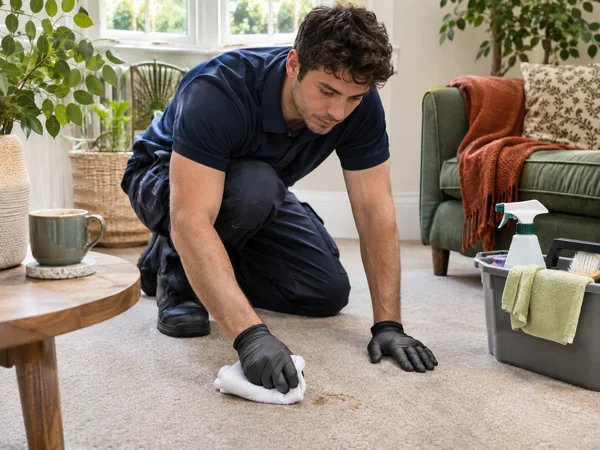
Look for a retained offcut or care information for each fitted area, especially if bedrooms were refitted separately from the hall. Show the technician where there is a visible seam, worn edge or older repair. If carpet is fixed at a wall, leave it in position. Any backing visible on a spare sample can be considered together with checks of the carpet as laid. The technician can discuss fibre, construction, condition and test results where appropriate, then advise what methods could be suitable. If a room was cleaned previously, flag any difference in colour or texture afterwards.
Water-based extraction may be suitable after assessment of the carpet and room. A lower-moisture method or specialist assessment may be discussed where the backing, dye, fibre or condition raises concern. Treat a loose rug as its own item, with label, dimensions and any wear or fringe. A runner can also be a separately made piece even if it matches the main carpet. Ask how the estimate reflects any surface that cannot be confirmed in advance.
Leave space for furniture without using a communal landing
Decide what can be moved safely before the appointment and where it can go. A communal landing or narrow hall can become unusable if chairs or boxes are left there, so agree an appropriate dry space inside the home. Move light items and leads away from the open carpet if you can. Show heavy or fitted objects that remain and record the size of the accessible floor around them. If a cabinet stays against a skirting board, note whether cleaning around its exposed edges is enough for the visit.
Picture the person using the room after furniture is moved, and identify whether they need to reach a socket, shelf or door. Leave medicines, pet supplies and work equipment within reach on an untreated path. If another appointment will bring furniture into the home, check where that team can place it while carpet dries. Explain changes in the layout or any unusual carpet issue uncovered by moving something before the technician arrives.
If objects are moved into a bedroom that is normally used every evening, keep the door opening and lamp switch reachable. Put items where nobody has to lift them above shoulder height or step across a cable. When the carpet is ready, return the objects gradually so the route stays clear for anybody still checking the other rooms.
- Use an untreated spot inside the home to store items.
- Show what carpet remains accessible around fixed pieces.
- Keep a clear path to things the household needs.
Give context for each visible issue
| What you notice | Helpful information |
|---|---|
| Faded strip | Position of blinds or furniture and when it became visible. |
| Known spill | Date, affected surfaces and products used afterwards. |
| Raised seam | Location, movement in use and visible previous repair. |
Plan safe ventilation and alternate room use
A well-used fitted area can take longer to return to use than your timetable allows if there is no safe ventilation. Tell us which windows or vents can be opened and whether somebody is there to supervise them. If the fitted hall connects the only bathroom to bedrooms, agree a workable route for people during treatment and drying. Explain what happens if a child or pet cannot be separated from a needed room. Setting aside another space can help where the main sitting room has to remain clear.
Drying varies with the carpet, method and the room conditions. Follow the advice on airflow and use of the room for the surfaces treated. Ask when a rug or low object with a broad base can go back. If somebody uses mobility equipment, ensure the dry alternative has enough room and no unexpected step. Give the itinerary of a delivery, inspection or new resident arrival in advance, so the visit can be considered in relation to those plans.
Match the estimate to the practical access and handover steps
Use the room list and measurements to check what appears in the proposed work. Ask whether stairs, carpeted strips and loose items have been included in the way you intended. Note which concerns need a check before agreeing to treatment. The personal contact who admits the technician should be able to find each room and know what to do if the plan has to change. If another person will approve changes or handle payment, make sure they can be reached and have the most recent list.
At the end, identify who will check ventilation, clear the route and tell other occupants when rooms can be used. A keyholder might need to return keys before an occupant gets home, so agree how aftercare advice will reach the right person. Where a communal door has its own operating hours, verify the same approved route is available when equipment is ready to leave. Give any changes to the visit timing to both the building contact and resident.
Keep access working when furniture is moved
| Room or route | Plan it around |
|---|---|
| Shared lobby | The route management approved and any lift time. |
| Occupied room | Essential items a resident will need on a dry path. |
| Treated floor | Guidance for safe use before rugs or furniture return. |
Get a carpet cleaning quote in West Hampstead
Request a quote with the carpeted rooms, stairs and any loose items listed separately.
Get a QuoteOther Cleaning Services in West Hampstead
Local references · National Rail: West Hampstead Thameslink station · National Rail: West Hampstead Overground station
West Hampstead carpet cleaning questions
Do I give West End Lane or Iverson Road in the access note?
Give the actual street of your door and use the named station only as a reference if it helps.
Can I count stairs from a photograph?
Include the photo and count the treads and carpeted risers, with any landings listed separately.
Do old faded patches get checked?
Show the position and condition. Assessment can help distinguish wear, light exposure and soiling.
What if a stain went beneath more than one door?
Show the affected areas and say where the spill reached and what you applied afterwards.
Where should I put small furniture?
Choose a dry room or approved space outside the equipment and resident routes.
Do I have to stay until the carpet has dried?
Discuss who can manage airing and how any occupants will receive and follow the drying advice.