 Housekeeper
Plan the equipment route before arrival
Carpet Cleaning in Bromley
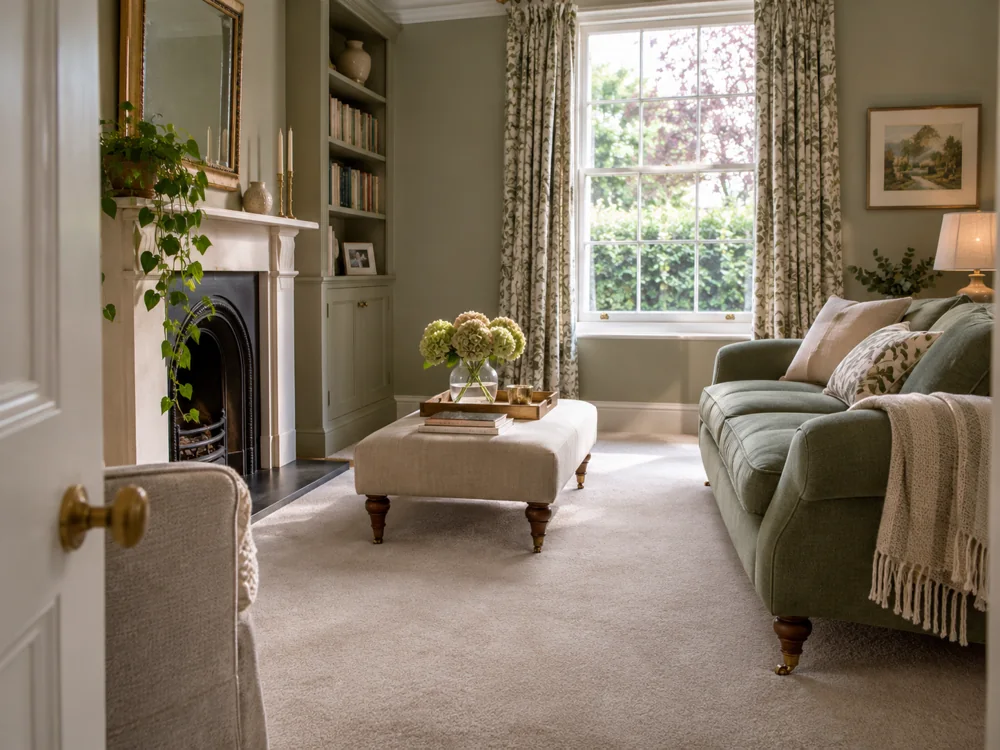
From the path across a family sitting room to the fitted carpet on a first-floor landing, tell us which parts of your Bromley home you would like assessed. Include your full BR1 or BR2 postcode, the rooms and stairs involved, and the problem you hope to address. A worn entrance and a recently spilled drink can look alike in a quick photo, but they need different conversations before a visit.
What entrance should I give near Bromley South?
The station is off High Street. Send the postcode and the door used to reach your flat.
Can I request stair carpet only?
Yes. Count the treads and turns, list landings separately and say if the carpet is a runner.
Use Bromley South as a landmark and identify the actual delivery door
National Rail puts Bromley South station on Station Approach, off High Street, in BR1. A reference to the station can help distinguish this part of Bromley, but for a residential appointment it is the property entrance and postcode that matter. A flat approached from a rear entrance may have a different street-side route than its postal address suggests. Describe the door or gate, the floor you live on, and the part of the route where the machine would need to go up a kerb or around a narrow corner.
Some houses have a level front path but steps between the hall and the carpeted rooms. Flats may use the same drive as a car park but have a door that is only open to pedestrians. Follow the actual route once if you are unsure what to report. Note a tight turn at the top of a straight flight or an internal fire door that must stay closed. If someone else has to open a side gate, agree who will meet the cleaner, and arrange any permission to unload before the day.
- Full postcode, number and flat or entrance label.
- Any usable lift, slope or narrow internal turn.
- Agreed place to meet and bring in equipment.
Measure the exposed carpet and make exceptions visible
A single estimate for the whole floor is hard to use when the rooms are different shapes. Measure the length and width of the main part of each room, then add an alcove, landing or boxed-in passage as a separate item. In a through room, say if carpet extends continuously through the opening or if there are two pieces divided by a bar. Mention a usable clear strip and the space that stays under fitted furniture, especially if a bed or sofa will still be in the room.
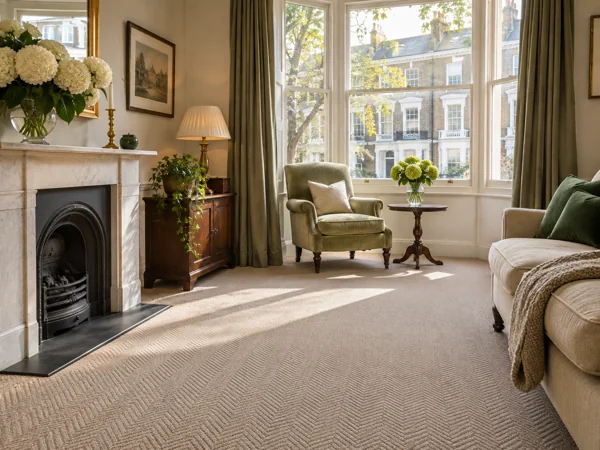
Someone getting a house ready for visitors might want just the path from the sitting-room door to the window and the worst marks near the sofa assessed first. Send the full room dimensions anyway, with a photo showing the pathway and the items around it. The edges of a partially cleaned area may look different, particularly where exposed carpet has faded or worn. Talk through a whole-room option, what can reasonably be reached, and which piece of furniture can be moved safely before deciding what goes in the quote.
What to send with a Bromley room list
| Area | Useful details |
|---|---|
| Bay or alcove | Measure the main rectangle and the smaller recess separately. |
| Through sitting room | Show the opening and any break in the fitted carpet. |
| Bedroom beneath large furniture | Name the furniture and identify the exposed floor. |
Check pile, fit and backing before agreeing a method
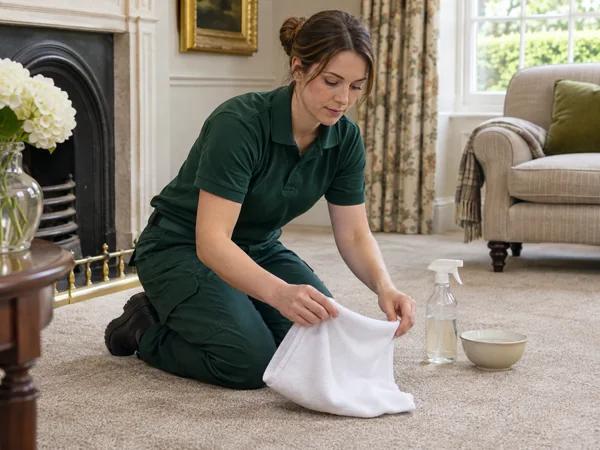
The flooring label or installation invoice can be useful even when it is several years old. Look for the fibre, care instructions and the carpet name, and say if a second room has a different fitting or age. A close shot of the pile and an ordinary room photo help describe what is there; avoid pulling a carpet from its grips to inspect it. Tell us if it was cleaned before, including a home machine or regular use of a foam, because residues and earlier changes may affect the assessment.
Where the textile and condition support it, a water-based extraction method may be considered. For a sensitive fibre, insecure edge or fitting with signs of past movement, the assessment may steer the discussion towards less moisture or specialist care. Even a familiar fibre name does not settle the question on its own; seams, backing, dyes and floor conditions matter. If the carpet bubbled after a previous clean or has tension near a doorway, photograph the area at floor level and explain whether it has stayed that way or changed recently.
- Share the maker's directions if you have them.
- Mention repairs, lifted edges and past cleaning.
- Flag different carpets on adjoining floors.
Separate repeat marks from a dull traffic lane
A stain that disappears temporarily and returns after drying is a useful detail to share. Note where it sits and whether a single spill started it, or if there have been repeated wet shoes, a plant pot on the carpet or accidents from a pet. Describe any scrubbing or product already used, including a product name if you know it. A photo next to an untreated part of the same carpet, taken in daylight, gives more context than a tightly cropped image with the flash on.
A dull patch under a revolving chair might be compressed pile, wear or soil, and the marks behind an open curtain may have a different cause. If colour appears missing, cleaning cannot put the original dye back. Similarly, a smell can come from a layer below the surface. Describe which feature matters most to you, and say if the floor is still damp or affected by a recent leak. That makes it possible to talk through realistic next steps before treating the visible area as though it were the entire problem.
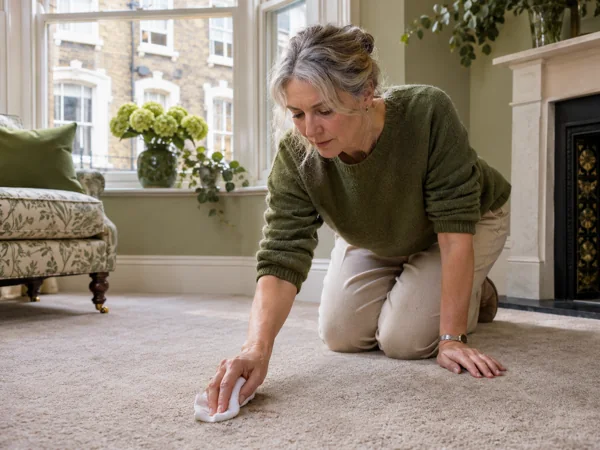
Make rooms easy to enter without moving things across wet carpet
Before committing to a furniture plan, look for the largest item on the only path through the room. Draw a rough route from the nearest door and decide where baskets, shoes and lightweight furniture can wait. Clearing the room by shifting everything onto a carpeted landing may prevent that landing from being reached. Leave bulky items where they are unless moving them has been agreed, and say in advance if a chair or bed frame sits directly over a join you want looked at.
Secure small objects that can catch beneath equipment or end up underfoot, including cables, toys and the bases of lamps. If a home office is in use, tell us when it will be clear and whether the way out crosses another carpet. On a day when several adults share the home, agree where essentials such as chargers and shoes will be kept so nobody needs to walk back into a treated room. Make a different plan if the spare room is the only alternative space and is also being cleaned.
- Choose a place for items outside the areas being treated.
- Keep the working route clear of low cables and shoes.
- Agree any handling of furniture before the appointment.
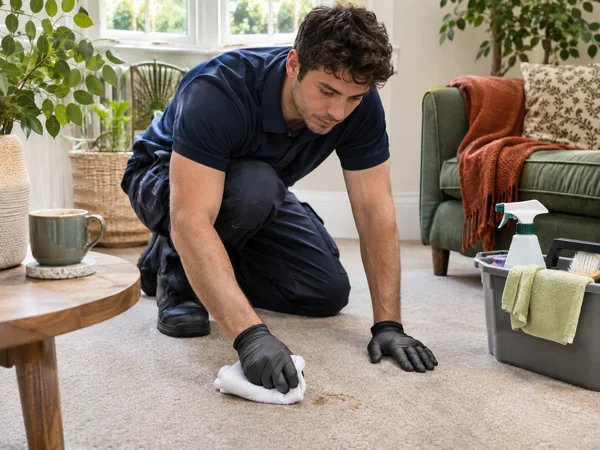
First checks for Bromley carpet marks
| What you see | What to report |
|---|---|
| Line under the curtains | When you noticed it and whether the sun reaches the carpet. |
| Repeated mark by chair | Earlier products and whether the mark returns after drying. |
| Smell near a plant or pet bed | Where it is strongest and any known wetting. |
Give each flight and landing a separate description
Count the treads between landings and note any wedge-shaped steps where the stair turns. Say if the risers are carpeted and if the edges of a narrow runner are bound or sit beneath rods. A top landing might be the same textile yet have more wear near the bathroom; list it as its own area and include dimensions. A shot from the bottom of a stair gives context, but also take one from the turn if the continuation of the runner is hidden.
There is an important distinction between your own staircase and the carpeted route shared with other addresses. Ask the building manager or responsible person about cleaning common areas and whether work can take place without obstructing the route. In a house with an attic bedroom, decide when family members can use the lower floors without needing to cross the stair. If the only bathroom is upstairs, give that information before scheduling, as finishing every tread at once may leave no usable alternative route.
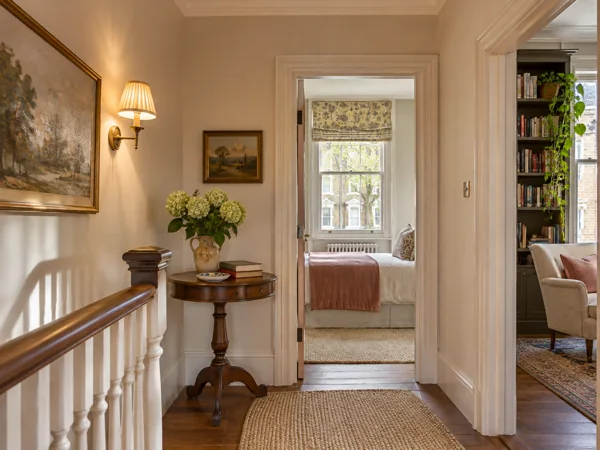
Plan a passage out and time for the carpet to dry
A room with opening windows and a clear path round it can be easier to leave out of use than a windowless corridor. Note any openings that only tilt or are restricted, and say if you cannot leave a window open because you are away or because of a pet. Drying guidance will depend on the carpet and method used, room temperature and airflow, so ask about it before inviting someone over or arranging a delivery that needs to cross the affected area.
Think about what happens just after the cleaning as well as where to put things beforehand. A laundry basket stored on a carpeted landing can still force someone to use the stairs, even when everyone agreed to stay out of the bedrooms. Keep essentials within reach on the agreed side of the work. Follow the advice given for walking on the textile and putting furniture back, particularly for metal or wooden feet. If a room must be ready for sleeping, tell us who needs it and by when.
Build your enquiry from distinct tasks and spaces
Start with the exact address, a room-by-room list and the areas where there has been a spill, smell or concern about condition. Then add the route, treads and landings, and any planned handover. Put rugs, dining seats and sofas on a separate line so fitted carpet and removable or upholstered textiles can be assessed separately. A fibre label on a rug can matter even if it looks like the carpet underneath. Include photos of both if the rug has left a visible outline.
For a move, include the dates when furniture comes out, keys change hands and the property is inspected. Confirm who can answer a question or authorise a change on the day. If other cleaning is planned, check which party will be using the stairs and whether the carpeted rooms can remain out of use when they finish. Tell us which area you would like considered first if the timing is tight, so the initial discussion reflects the work you actually need rather than a list of every textile in the home.
Bromley access and drying notes
| Route or use | Decision before the visit |
|---|---|
| Flat with two doors | Confirm which one the machine can be brought through. |
| Only route to bathroom | Agree when the stairs need to remain available. |
| Restricted windows | Mention ventilation limits when asking about drying. |
Get a carpet cleaning quote in Bromley
Request a quote with the carpeted rooms, stairs and any loose items listed separately.
Get a QuoteOther Cleaning Services in Bromley
Local references · National Rail · Bromley South station
Bromley carpet cleaning questions
Should I put the name of my building on the quote request?
Yes. Include the building name, flat number and postcode, plus the entrance to use if there are multiple doors.
Can you tell from a photo if my carpet is wool?
A photo can show the pile and condition, but the care label or original fitting information is more useful for identifying fibre. A method can be discussed once the material and fitting have been assessed.
Do I need dimensions for a small carpeted entrance?
Yes. Its length, width and any step or angled section help to distinguish it from a continuation of the hall.
Is a faded strip beneath a window removable?
Cleaning can address compatible soil or marks, but it cannot replace colour that has faded. Show the strip and the surrounding carpet so the difference can be discussed.
Can the cleaner work around my desk?
State whether the desk and cables will remain and what can be reached around them. If the patch of interest is underneath, show this when you enquire.
Will a rug and fitted landing be treated as the same item?
List them separately. The rug's construction and backing may call for a different assessment even if the two textiles look similar.