 Housekeeper
Assessment for carpets with wear or marks
Carpet Cleaning in Mayfair
For carpet cleaning in Mayfair, start with the individual rooms and how each is furnished. Identify carpet you are concerned about, from a worn landing to a fitted floor with no visible care label. A useful enquiry explains what can be reached, how to enter and which rooms must come back into use first.
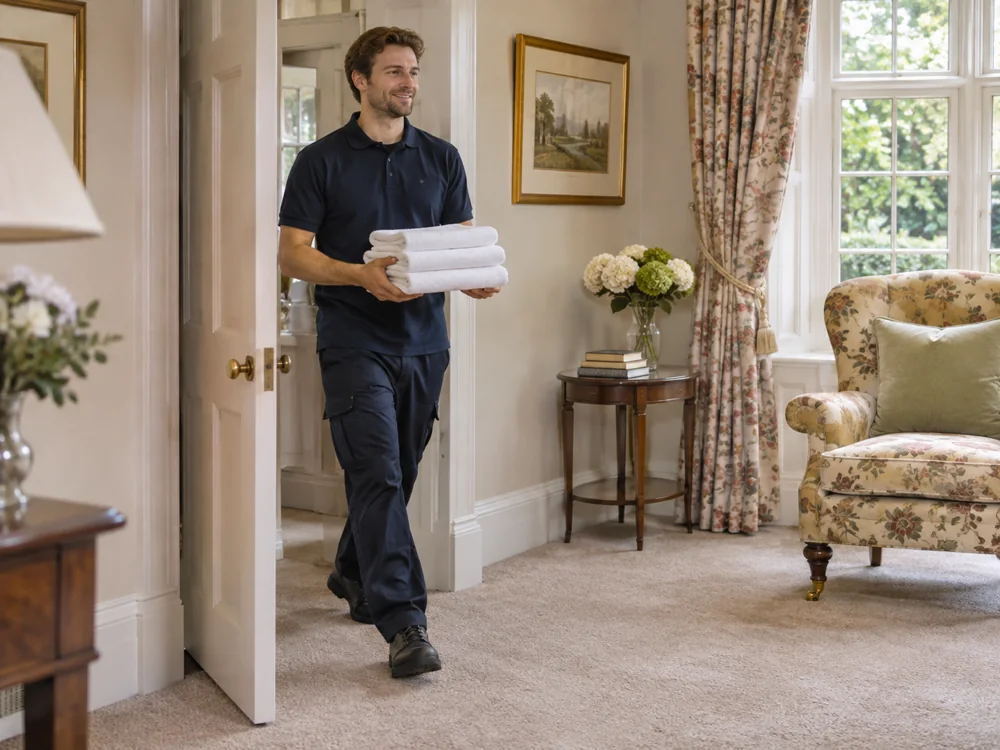
What do I send for a carpet quote in Mayfair?
Provide the fitted area list, photographs of marks and joins, and any building rules about access for equipment.
Can a furnished room be cleaned?
Explain which items can move and which must stay in place so the accessible areas can be agreed.
Write directions for the actual door and lift
The Royal Parks places The Green Park beside Piccadilly, a useful point of reference for the southern edge of Mayfair. The last few steps to a private entrance still need their own directions. If you live above premises that use the street address differently, include the label on the private bell, the floor and the flat number. Show the approach from the street authorised for equipment, especially where a delivery door faces away from the entrance used by residents. Confirm opening times if a staff member has to unlock it.
If you have a lift reservation, say where the lift opens at each end and what happens after that. There may be a set of steps from the lift to the home or a short corridor with a tight turn. A lift available to visitors may also differ from one management has approved for equipment. Ask who will handle entry if somebody is delayed, and provide a number for that person with any building instructions that apply on the day.
- Name the authorised door and the street it faces.
- Describe the turns and steps after the lift.
- Confirm the hours and contact for entry.
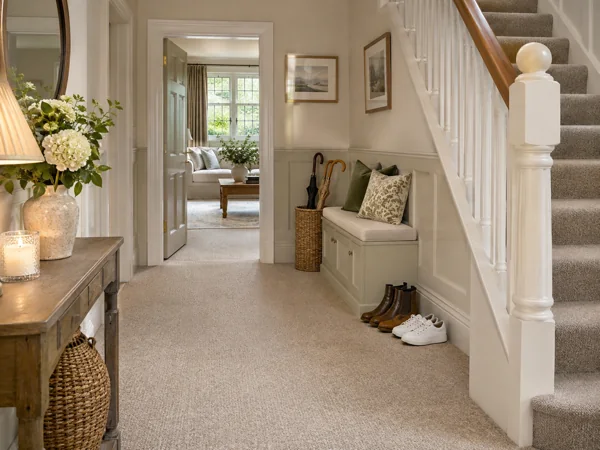
Prepare a floor inventory that identifies finishes
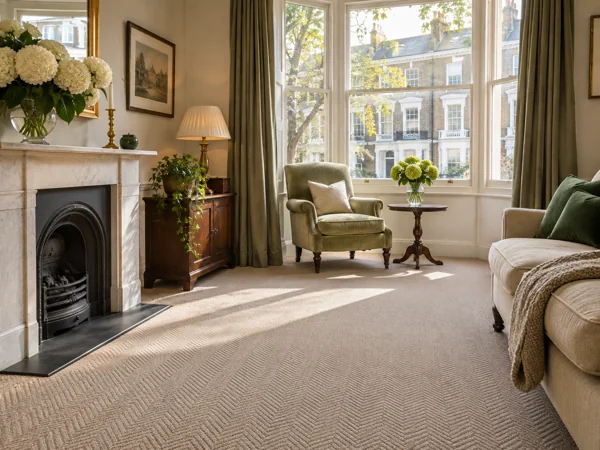
An area name can hide important differences within a property. A reception room may include fitted carpet around a hearth, a loose piece over timber or a separate carpeted approach from the hall. Identify each kind of surface and give the dimensions of the fitted parts. Where you are unsure how two strips meet, photograph the threshold or discreet edge and mark which side belongs to which room. Include the short run of carpet through a dressing area if it matters to the work. Share any previous maintenance description you have, including material and fitting records.
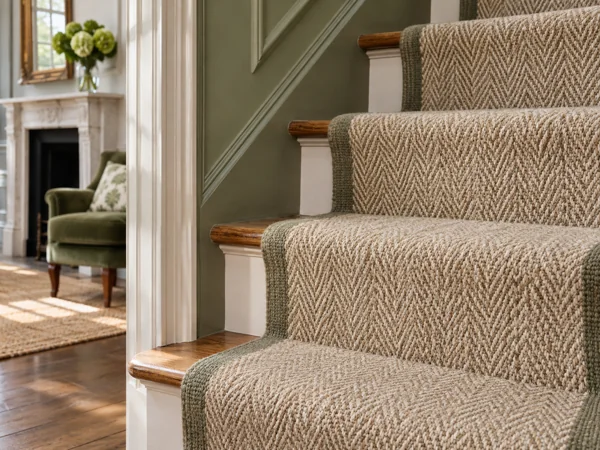
Say where the carpet ends below a door or beside a fitted cupboard. If you can see a decorative border, tell us whether it appears sewn onto the main piece or has a separate join. Explain the spots you would like checked first, and flag any loose rug by itself with dimensions and construction. Use the same names in your inventory and in the photo captions so the technician can match what you ask about to what they see on site.

Show the history of colour changes and stains
Long-term light exposure and wear can change the appearance of carpet, and a separate spill may sit across the same area. Send pictures in daylight if possible. Include one that shows the floor beside the window and one close enough to show the pile. Indicate which direction the pile lies or whether the colour changes as you move across the room. For any stain you can date, tell us what the liquid or material was and how it was removed from the surface. Mention products, rinsing or treatment by previous occupants where known.
Unexplained discolouration can have a more complex history than its outline suggests. Identify areas below furniture feet, by a plant tray or under the border of a loose protector. If a recent leak or maintenance visit affected the room, report any current dampness separately. Avoid setting expectations for stain removal before the carpet is checked. A technician can discuss what appears to be soiling and what may be linked to wear, fading or previous changes to the fibre.
- Show the wider room and the pile in close view.
- List known incidents and products used.
- Report recent moisture or any change in texture.
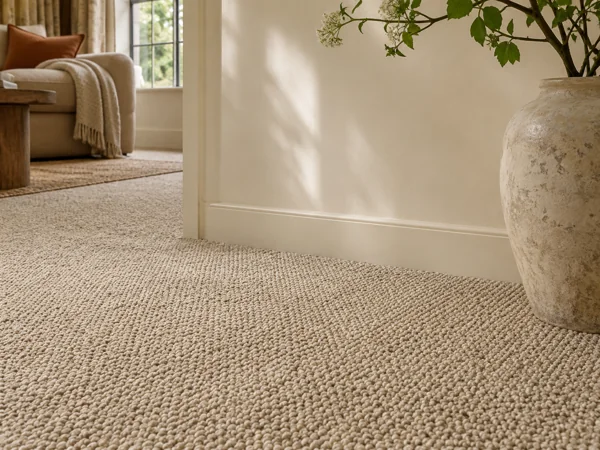
Inventory for several floor finishes
| Surface | Details to record |
|---|---|
| Fitted reception carpet | Dimensions, border, fireplace or floor transition. |
| Carpeted dressing area | Approximate floor area and how the door clears the pile. |
| Loose floor textile | Dimensions, care label, edging or separate backing. |
Identify areas where movement needs prior agreement
A piano, glass cabinet or heavy console can define the usable shape of a cleaning area. Tell us which pieces will remain in place and show the space below or beside them. If an object can be moved by its owner, allow time for that before the technician arrives and decide where it should wait. Removing one chair into a corridor may simply obstruct the route to a second room. It may be easier to leave some objects in place and agree to work around the accessible edge. Do not move a heavy fitting just to take a photo.
Mention lower wall fittings, mirror stands and the legs of furniture that sit on both carpet and timber. Mark any electrical connections that are easy to catch. Where a heavy item has been removed previously, show the rings or indentations it left and tell us what the owner wants assessed. If the resident or building staff need to be present for any movement, explain their availability in the enquiry so the planned order reflects what can be reached.
- Flag heavy pieces and their floor contact points.
- Check who can move an item if movement is agreed.
- Clear space on a separate dry surface for small items.
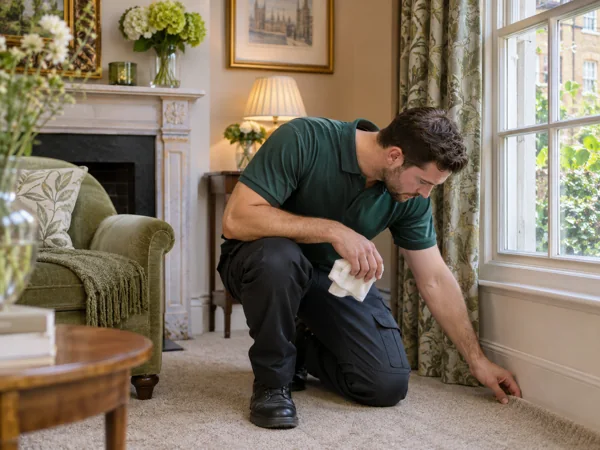
Choose the method against the actual construction
Care notes can identify fibre or describe an earlier treatment, but existing repairs and joins still need to be checked. Point out any place where the pile is thin, the backing is breaking down or the edge lifts. Indicate the direction of an old seam and explain if the carpet has been taken up and refitted. Where there is a retained sample, keep it available for the assessment. A technician can use visible construction, known instructions, the condition of the item and tests as appropriate when discussing the method.
Water-based extraction may be suitable for some carpets when the assessment supports its use. A lower-moisture approach or specialist assessment may be considered where construction, dye stability, backing or condition makes it necessary. List separately any hand-finished rug or loose piece of unknown material. Provide any manufacturer label and note whether there is previous damage under the edge. If a room has two fitted surfaces that look alike, check whether they were installed together before assuming they have the same care instructions.
Set up a dry route between the rooms in use
Draw a floor plan that highlights the routes an occupant cannot avoid. For example, a person might need to go between a bedroom and its bathroom or reach a front door that is only accessible across the fitted hall. Provide this information before accepting a work sequence. Where the carpet and stone meet, keep the route free of moved tables, bags and cleaning equipment. If an older resident uses a frame, choose a waiting room with a level approach and say how that person normally comes and goes.
A carpet in a windowless dressing room may have different conditions from one beside an opening sash. Tell us what ventilation can safely be used and whether the property must be closed or handed over soon afterwards. Drying time varies with the material, the method and how the room can be aired. Follow the advice before covering treated areas or reinstating furniture, especially pieces that sit flat against the carpet. Agree how the advice will be passed from the person at the visit to anyone using the room later.
- Send the routes that have to remain available.
- Explain limitations on airing and room access.
- Agree who will follow drying advice.
Decisions for fixed and moveable pieces
| Item | What to decide |
|---|---|
| Large cabinet | Show how much carpet is accessible around the base. |
| Light chair | Agree who can shift it and where it can wait. |
| Powered lamp or console | Identify leads and tell the resident which to disconnect. |
Agree passage protection with the building manager
Ask the building manager what protection is needed along the agreed access path. A private room might have robust carpet while the shared approach includes polished finishes, delicate paintwork or a narrow turn where equipment can get too close to a wall. If protective material is required, find out who supplies it and where it should be removed. Check if visitors can use a route through a service lobby or must be met by staff each time the doorway is used. Confirm the building route before moving things in the flat.
If the property has an approved loading point, write down the approach and state any timing rule you have been given. Make sure the person arranging the clean can contact the person who agreed the building arrangements. Mention other booked contractor visits or a planned removal. There may be limited space for more than one appointment in a narrow access area. Agree where people should wait if access is delayed so they do not block other occupants.
Confirm the included work and post-visit handover
Read the quote with your inventory open. Match each fitted area, loose textile and point of concern to the work proposed. Check how any part covered by furniture has been treated in the estimate. If there are separate stages of work or a piece needs specialist assessment, ask for that distinction to be recorded. Note any restrictions that could change the agreed date, including entrance staffing or another contractor using the same room. Add updated photographs if you find a new mark or identify a repair after the first enquiry.
When an owner, tenant or property manager will be away, nominate one person to make decisions if the carpet differs from the original description. They should have the room list and know what work takes priority. Before handing the rooms back, ask how occupants should ventilate, walk on the carpet and return their belongings. If a housekeeper or caretaker is responsible for opening and closing windows after the visit, relay the advice directly and confirm when they can attend.
Arrange a practical handover
| Contact | Information they need |
|---|---|
| Building staff | Expected access time and approved entrance. |
| Person on site | Room list, concerns and approval for changes. |
| Occupant or housekeeper | Drying and ventilation advice before the rooms reopen. |
Get a carpet cleaning quote in Mayfair
Request a quote with the carpeted rooms, stairs and any loose items listed separately.
Get a QuoteOther Cleaning Services in Mayfair
Local references · The Royal Parks: The Green Park
Mayfair carpet cleaning questions
Can I share a floor plan rather than measure under furniture?
Yes. Mark accessible carpet and anything fixed to the floor, and add a photo where possible.
Does a worn part of the pile need separate attention?
Point it out during assessment so the condition and feasible treatment can be discussed.
What should the technician know about a separate delivery entrance?
Give the exact door, contact, permitted times and route from there to the property.
Can a valuable rug be listed with the fitted rooms?
List it separately with its label and construction. It can then be assessed on its own merits.
When can things go back on a cleaned carpet?
Follow the drying advice given for each room, particularly for items with a flat base.
Who can approve a change during the visit?
Tell us who can make decisions and make sure that person has the agreed room list.